Filipino Spaghetti
Watch the full recipe

See every step.

Play the complete Kubo Cooks video directly on this page.

Player not loading? Watch on YouTube ↗

Discover the dish

About Filipino Spaghetti

Filipino spaghetti is a sweet-savory pasta dish made with a rich red sauce, ground meat, sliced hotdogs, and plenty of grated cheese. It is a familiar sight at birthdays, Christmas gatherings, school events, and family celebrations.

The dish reflects the American influence on Filipino cooking, but generations of Filipino cooks reshaped it around local tastes and ingredients. The result is distinctly its own: sweeter than many Italian-style tomato sauces, generous with toppings, and closely tied to celebrations and childhood memories.

This version combines Filipino-style and Italian-style spaghetti sauces in equal amounts. The Filipino-style sauce keeps its familiar sweetness, while the Italian-style sauce gives it more tomato depth. Grated carrots, pork, mushrooms, tomato paste, oyster sauce, and cheese build a fuller sauce without making it excessively sweet.

The Kubo Cooks method

Why This Recipe Works

Browning the ground pork first develops a deeper savory flavor and renders fat that can be used to sauté the aromatics. This gives the sauce a stronger foundation than simply simmering the pork in tomato sauce.

Finely grated carrots soften into the sauce and contribute natural sweetness. The mushrooms add another savory layer, while cooking the tomato paste briefly removes its raw taste and concentrates its flavor.

Combining Filipino-style and Italian-style spaghetti sauces keeps the nostalgic character of Filipino spaghetti while adding more tomato depth. Sugar and vinegar are adjusted only after the sauce has simmered, making it easier to balance the final sweetness and acidity.

Half of the grated cheese melts into the sauce for richness, while the remaining cheese is saved for the top. Cooking the spaghetti slightly under and finishing it in the sauce with a little pasta water helps the noodles absorb flavor without becoming overly soft.

Ingredients for Filipino Spaghetti
What to know

Ingredient Notes

Ground pork
Browning it until some fat renders gives the sauce a savory base. Break up large pieces so the pork distributes evenly through the noodles.
Cheesedogs or hotdogs
Cut them into bite-sized pieces so every serving gets some. Filipino red hotdogs give the dish its most familiar look, while cheesedogs add extra richness.
Filipino-style spaghetti sauce
Provides the recognizable sweetness of Filipino spaghetti. Brands differ, so taste the combined sauce before adding all the sugar.
Italian-style spaghetti sauce
Balances the Filipino-style sauce with more tomato flavor and less sweetness.
Garlic and onion
Form the aromatic base of the sauce. Let the onion soften and cook the garlic until fragrant without burning it.
Carrots
Grate them finely so they soften into the sauce. They contribute natural sweetness without leaving large vegetable pieces.
Canned sliced button mushrooms
Add savoriness and texture. A small amount of their packing liquid can deepen the mushroom flavor, but adding too much can thin the sauce.
Processed cheese
Half melts into the sauce and the rest goes on top. A cheese that melts smoothly works best here.
Oyster sauce
Adds savory depth and saltiness. Taste the finished sauce before adding more salt.
Tomato paste
Concentrates the tomato flavor. Sauté it briefly before adding the sauces to remove its raw taste.
Pork broth cube
Optional, but it strengthens the savory pork flavor. It also contributes salt, so adjust the seasoning only after the sauce simmers.
Italian seasoning
Optional. A small amount adds an herbal note without taking away the Filipino character of the dish.
Sugar
Adjust according to the sweetness of your sauces. Add it gradually near the end rather than assuming the full amount is needed.
Vinegar
A small amount sharpens the tomato flavor and helps balance the sweetness. Add it gradually with the sugar during the final adjustment.
Spaghetti
Cook it slightly under the package time because it will finish cooking when tossed with the sauce.
Pasta water
Reserve some before draining. Its starch helps loosen the sauce while allowing it to cling to the noodles.
Make it your own

Substitutions

Ground pork
Use ground beef, ground chicken, or a pork and beef mixture. Leaner meat can become dry, so stop browning once it is fully cooked and lightly colored.
Cheesedogs or hotdogs
Use Filipino red hotdogs, chicken hotdogs, Vienna sausage, or leave them out.
Filipino-style and Italian-style spaghetti sauces
Adjust the ratio to your taste. More Filipino-style sauce makes it sweeter, while more Italian-style sauce gives it a stronger tomato flavor.
Carrots
Leave them out if preferred. The sauce will have less natural sweetness, so taste it before deciding how much sugar to add.
Canned sliced button mushrooms
Use fresh mushrooms and sauté them until the moisture they release has mostly evaporated. The mushrooms may also be omitted.
Processed cheese
Use a mild cheddar or another cheese that melts smoothly. The flavor will vary depending on the cheese.
Oyster sauce
Use mushroom-based oyster sauce or leave it out. Taste before adding more salt or soy-based seasoning.
Pork broth cube
Leave it out or replace a small portion of the liquid with unsalted pork or chicken broth if the sauce needs loosening.
Italian seasoning
Leave it out or add a small amount of dried oregano or basil.
Vinegar
Cane vinegar or white vinegar both work. Add it gradually because acidity differs between brands.
Sugar
White or brown sugar may be used. Reduce or omit it if the sauces are already sweet enough.
Spaghetti
Use another long pasta such as linguine. Follow its package time and still finish it briefly in the sauce.
Filipino Spaghetti process photo 1
Filipino Spaghetti process photo 2
Filipino Spaghetti process photo 3
Gallery photos 1–3 of 6
From my kitchen

Kubo Cooking Notes

Brown the pork instead of steaming it

Use a wide pot and give the ground pork enough contact with the hot surface. If liquid begins collecting, let it evaporate before adding the aromatics.

Break the pork into small pieces as it cooks, but leave it undisturbed briefly between stirs so it has time to pick up some color.

Let the carrots disappear into the sauce

Finely grated carrots soften quickly and blend into the tomato sauce. Larger shreds remain more noticeable and may need additional cooking time.

The carrots add natural sweetness, but their sweetness varies. Treat them as part of the sauce rather than a replacement for tasting and adjusting at the end.

Use the mushroom liquid carefully

A little of the liquid from canned mushrooms adds flavor, but the sauce only needs a small amount. Too much can make the sauce thin and give the mushrooms too much influence over the final taste.

Let the mushrooms sauté for a few minutes before adding the tomato paste so some of that extra moisture can cook away.

Cook the tomato paste before adding the sauces

Tomato paste tastes sharper and more raw when it goes straight into a wet sauce. Cooking it briefly against the bottom of the pot deepens its flavor.

Stir frequently during this stage so the concentrated paste does not burn.

Balance the sweetness at the end

The two prepared sauces, carrots, hotdogs, oyster sauce, and cheese all affect the final balance. Let everything simmer together before deciding what the sauce still needs.

Add the sugar and vinegar gradually, tasting between additions. The sauce should remain recognizably Filipino-style without tasting flat or overwhelmingly sweet.

Give the pasta room to finish in the sauce

Cook the spaghetti 1 to 2 minutes less than the package instructions, then finish it over low heat with the sauce and a splash of pasta water.

Add more pasta water only as needed. It is easier to loosen a thick sauce than to correct one that has become watery.

Mix only what you expect to serve

Spaghetti continues absorbing sauce as it sits. For the best texture, combine only the pasta and sauce you plan to serve immediately.

Keep any extra sauce and pasta separate so later portions do not become overly soft or dry.

Plan ahead

Make-Ahead, Storage, and Reheating

Make ahead: The spaghetti sauce can be cooked ahead and refrigerated in a covered container. Cook the pasta closer to serving time for the best texture. If you prepare the pasta early, keep it separate from the sauce and avoid overcooking it.

Store leftovers: Store the sauce and pasta separately in covered containers whenever possible. Refrigerate promptly and consume within 3–4 days. Already combined spaghetti can also be refrigerated, but the noodles will continue absorbing sauce and become softer.

Freeze: The fully cooked spaghetti sauce freezes well. Cool it, divide it into serving portions, and transfer it to freezer-safe covered containers with a little room for expansion. For the best quality, consume within 2–3 months. Thaw overnight in the refrigerator, reheat the sauce thoroughly, and cook fresh pasta when ready to serve.

Reheat: Reheat the sauce gently on the stove, stirring regularly. Add a small splash of water or reserved pasta water if it has thickened too much. For already combined spaghetti, reheat only the portion you need and add a little sauce or water to restore moisture.

Bring it to the table

Serving Suggestions

  • Finish with plenty of grated cheese while the spaghetti is still hot.
  • Serve with fried chicken for a classic Filipino party combination.
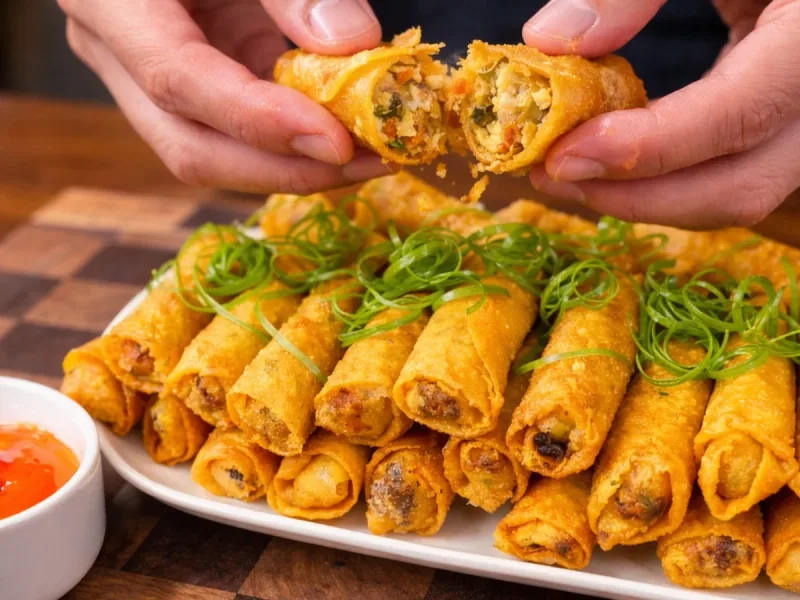
  • Pair with Lumpiang Shanghai for birthdays and family celebrations.
  • Add garlic bread or toasted pandesal for soaking up the extra sauce.
  • Offer extra sliced hotdogs or grated cheese on the side.
  • Keep a little warm sauce available for anyone who prefers their spaghetti extra saucy.

Ingredients

For the Spaghetti Sauce

  • 500 g ground pork
  • 6 jumbo cheesedogs or hotdogs
  • 900 g Filipino-style spaghetti sauce
  • 900 g Italian-style spaghetti sauce
  • 6 cloves garlic
  • 1 large onion
  • 180 g carrots
  • 400 g sliced mushrooms
  • 160 g processed cheese
  • 1 Tbsp oyster sauce
  • 2 Tbsp tomato paste
  • 1 tsp salt
  • 1 tsp black pepper
  • 1 pork broth cube (10 g)
  • 1 tsp Italian seasoning (optional)
  • 2 Tbsp sugar
  • 2 tsp vinegar

For Cooking the Pasta

  • 900 g dried spaghetti pasta
  • Enough water and salt

How to Make It

Filipino-Style Spaghetti Sauce

  1. Chop the onion, finely mince the garlic, grate the carrots, and cut the cheesedogs into small bite-sized pieces.
  2. Heat a large pot over medium heat, then add the ground pork. Break it apart and cook until lightly browned and some of the fat has rendered.
  3. Using the rendered pork fat, sauté the garlic until fragrant and lightly golden.
  4. Add the onions and cook until softened and translucent.
  5. Stir in the pork broth cube, if using, and cook until dissolved.
  6. Add the oyster sauce, salt, and black pepper, then mix well.
  7. Add the grated carrots and cook for 1 to 2 minutes.
  8. Add the canned sliced button mushrooms along with a small amount of their liquid, then sauté for a few minutes.
  9. Stir in the tomato paste and cook for 1 to 2 minutes to deepen its flavor.
  10. Add the Italian seasoning, if using, and stir until fragrant.
  11. Pour in the Filipino-style and Italian-style spaghetti sauces, then mix until well combined.
  12. Add the chopped cheesedogs and half of the grated cheese.
  13. Simmer the sauce over low heat, stirring occasionally, until the cheese melts and the flavors blend together.
  14. Taste the sauce, then gradually add the sugar and vinegar as needed to balance its sweetness and acidity.

Cooking the Spaghetti

  1. Bring a large pot of salted water to a rolling boil.
  2. Add the spaghetti and cook for 1 to 2 minutes less than the package instructions.
  3. Reserve about 1 cup of pasta water, then drain the spaghetti.

Combining the Pasta and Sauce

  1. Transfer the drained pasta to a large pan over low heat.
  2. Add a splash of the reserved pasta water, then pour in enough sauce to coat the spaghetti.
  3. Toss everything together and cook for about 1 minute, adding more pasta water if needed.
  4. Transfer to a serving dish, spoon more sauce over the top, and finish with the remaining grated cheese.
  5. Serve and enjoy!
Kubo Tips
  • Use a mix of Filipino-style and Italian-style spaghetti sauces for a sweeter but more balanced tomato flavor.
  • Grated carrots add natural sweetness and help reduce the amount of added sugar needed.
  • Do not add oil to the pasta water. Use plenty of boiling water and stir the spaghetti during the first few minutes to prevent sticking.
  • Reserve some pasta water to help the sauce coat the noodles more evenly.
  • Cook the pasta 1 to 2 minutes less than the package instructions so it can finish cooking in the sauce.
  • Freeze extra sauce in portions, then cook fresh pasta whenever you are ready to serve.