Lechon Sisig
Watch the full recipe

See every step.

Play the complete Kubo Cooks video directly on this page.

Player not loading? Watch on YouTube ↗

Discover the dish

About Lechon Sisig

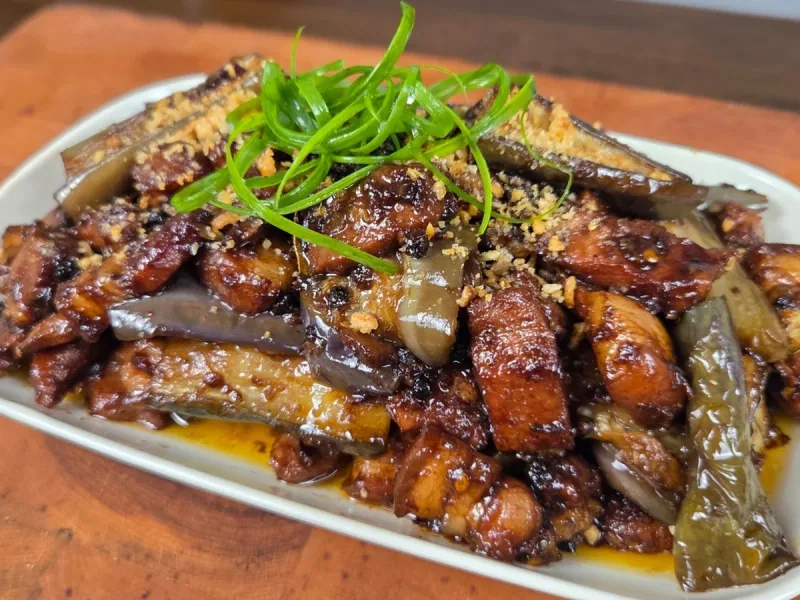
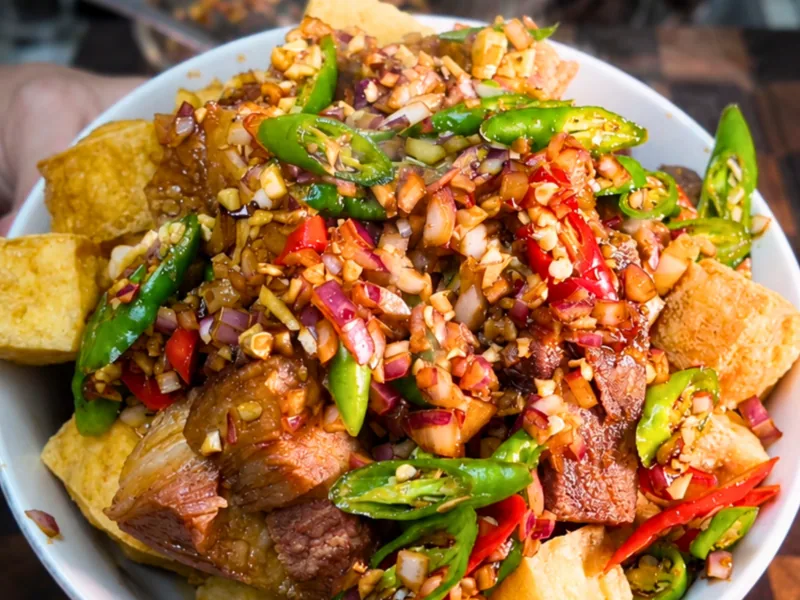
Lechon Sisig turns leftover roasted pork into a sizzling dish with crisp edges, onions, chilies, calamansi, and chicken liver spread.

Sisig is closely connected to Pampanga, particularly Angeles City. Its modern sizzling form was popularized by Lucia “Aling Lucing” Cunanan, using chopped pork parts, liver, onions, calamansi, and chilies. Since then, sisig has developed into countless versions using different meats and cooking styles.

This is not intended to replace traditional pork-face sisig. It is a practical variation built around leftover lechon, especially lechon belly with a good mixture of meat, fat, and skin.

The lechon is chopped, reheated until lightly crisp, then balanced with the richness of liver spread, the sharpness of calamansi, and the freshness of onions and siling haba. A hot sizzling plate keeps the edges cooking as the dish reaches the table.

The Kubo Cooks method

Why This Recipe Works

Lechon is already seasoned and fully cooked, so the recipe focuses on restoring texture and building a new layer of flavor rather than cooking the pork from the beginning.

Rendering some of the lechon fat provides enough oil for sautéing the garlic and onions. This carries the roasted pork flavor through the entire dish and reduces the need for additional cooking oil.

Chicken liver spread gives the sisig richness and helps coat the small pieces of pork. It provides some of the liver character associated with sisig without requiring fresh liver to be boiled, grilled, and chopped separately.

Cooking most of the onions creates a mellow aromatic base, while reserving some for garnish adds freshness and crunch.

Medium-high heat crisps the edges of the chopped lechon without drying out every piece. Adding the calamansi near the end preserves its brightness instead of cooking away its fresh citrus aroma.

The butter or margarine on the sizzling plate adds richness and keeps the sisig hot. Reserved onions, chilies, calamansi, and crispy garlic provide contrast immediately before serving.

Ingredients for Lechon Sisig
What to know

Ingredient Notes

Leftover lechon
Lechon belly works particularly well because it contains meat, fat, and skin. Try to distribute these parts evenly when chopping so each serving has a variety of textures.
Chicken liver spread
Adds richness and helps bind the chopped pork. Cook it briefly with the aromatics so its flavor blends into the dish.
Onions
Most are sautéed until softened, while the reserved portion is used as a fresh garnish. Dice them fairly small so they distribute evenly.
Garlic
Builds the aromatic base. Crispy garlic can also be added at the end for additional aroma and texture.
Calamansi
Balances the fatty lechon and liver spread. Add the juice near the end and reserve extra calamansi for serving.
Siling haba
Adds a fresh chili aroma and manageable heat. Reserve some pieces for garnish if you want more noticeable chili texture.
Liquid seasoning
Adds saltiness and savory depth. Lechon is already seasoned, so begin with a small amount and taste before adding more.
Black pepper
Adds warmth without competing with the calamansi and chilies.
Salt
Use only after tasting. The lechon, liver spread, and liquid seasoning may already provide enough saltiness.
Butter or margarine
Melts on the sizzling plate and adds richness while helping the sisig continue sizzling at the table.
Cooking oil
Optional. Skip it when the lechon releases enough fat during reheating.
Make it your own

Substitutions

Leftover lechon
Use lechon kawali, chopped crispy pata, roast pork, or cooked pork belly. Remove any large bones and adjust the added oil according to the fat already present.
Chicken liver spread
Use cooked chicken liver that has been finely chopped or mashed. It may also be omitted, although the sisig will be less rich and cohesive.
Calamansi
Use lemon or lime juice. Start with a smaller amount and adjust because their acidity can taste sharper.
Siling haba
Use long green chilies, long red chilies, or a combination of both. Add siling labuyo carefully for stronger heat.
Liquid seasoning
Use soy sauce or another savory seasoning. Add it gradually because different products vary considerably in saltiness.
Butter or margarine
Use either one or a small amount of cooking oil on the sizzling plate.
Mayonnaise
Serve it on the side if preferred or leave it out entirely. The liver spread already provides creaminess and richness.
Lechon Sisig process photo 1
Lechon Sisig process photo 2
Lechon Sisig process photo 3
Gallery photos 1–3 of 6
From my kitchen

Kubo Cooking Notes

Use a mixture of meat, fat, and skin

Sisig made only from lean lechon meat can become dry. Include some fat for richness and enough skin to provide crisp pieces.

Chop everything into small but distinct pieces. Chopping too finely can turn the mixture pasty instead of giving it varied texture.

Render before adding more oil

Start the lechon in the pan and watch how much fat it releases. Lechon belly may provide all the oil needed for sautéing.

Add the optional cooking oil only when the pan remains dry or the lechon is particularly lean.

Give the pork enough pan contact

Crisping requires direct contact with the hot surface. If the pan is crowded, the moisture released by the pork and onions can cause everything to steam.

Use a wide pan or work in batches when necessary. Stir occasionally rather than continuously so the edges have time to brown.

Use the onions in two ways

The cooked onions soften and become part of the savory base. The reserved raw onions provide freshness and crunch against the rich pork.

If you prefer a milder raw-onion flavor, rinse the reserved pieces briefly in cold water and drain them thoroughly before serving.

Cook the liver spread without scorching it

Stir the liver spread through the garlic and onions over moderate heat. It only needs enough time to warm through and lose its canned appearance.

Once it begins sticking to the pan, add the lechon rather than continuing to cook it alone.

Add calamansi near the end

Extended cooking dulls the fresh citrus aroma and may make the acidity taste less lively.

Add most of the juice after the pork has crisped, then serve additional calamansi on the side for individual adjustment.

Season after the lechon crisps

The saltiness becomes easier to judge once the lechon, liver spread, and liquid seasoning have been combined.

Taste before adding the listed salt. Depending on the original lechon seasoning, you may not need all of it.

Prepare the sizzling plate safely

Heat the plate gradually and place it on a stable heatproof board or trivet. Use thick oven mitts because the plate and handle become extremely hot.

Add the butter carefully because it may foam or splatter. Keep the plate away from children and allow it to cool fully before handling or washing.

Serve immediately for the best texture

The hot plate continues cooking the sisig after it leaves the stove. Transfer it only when everyone is ready to eat.

Add the fresh onions, chilies, calamansi, and crispy garlic immediately before serving so they retain their contrast.

Plan ahead

Make-Ahead, Storage, and Reheating

Make ahead: The sisig can be cooked ahead without the reserved onions, calamansi garnish, or crispy garlic. Refrigerate it in a covered container and crisp it again shortly before serving. Add the fresh garnishes only after reheating.

Store leftovers: Transfer the sisig to a covered container and refrigerate once cool enough to handle. Because this recipe begins with leftover lechon, count the storage time from the day the lechon was originally cooked rather than restarting the clock when it becomes sisig. Consume within the remaining safe storage period.

Freeze: The completed sisig can be frozen, although the onions will soften and the crisp skin will lose some texture. Cool it completely and transfer it to a freezer-safe covered container. Consume within 1–2 months for the best quality and thaw overnight in the refrigerator.

Reheat: Reheat the sisig in a wide pan over medium to medium-high heat so some of the edges can crisp again. Avoid adding too much oil before seeing how much fat the pork releases. Once thoroughly hot, transfer it to a heated sizzling plate and finish with fresh onions, chilies, calamansi, and crispy garlic.

Bring it to the table

Serving Suggestions

  • Serve immediately on a hot sizzling plate.
  • Pair with steamed rice or garlic rice.
  • Serve as pulutan with cold drinks.
  • Offer extra calamansi and sliced chilies on the side.
  • Add crispy garlic for another layer of aroma and texture.
  • Serve mayonnaise separately for anyone who prefers it.
  • Top with an egg if you enjoy that style of sisig.

Ingredients

  • 800 g leftover lechon
  • 85 g chicken liver spread (1 can)
  • 180 g onion (about 5 medium)
  • 25 g garlic (about 8 cloves)
  • 175 g calamansi (about 15 pieces)
  • 32 g siling haba (about 6 pieces)
  • 2 tsp liquid seasoning, or to taste
  • 1 tsp black pepper, or to taste
  • 1 tsp salt, or to taste
  • 1 Tbsp butter or margarine
  • 2 Tbsp cooking oil (optional)

Special Equipment

  • Sizzling Plate (optional)

How to Make It

Preparing the Ingredients

  1. Chop the lechon into small sisig-sized pieces.
  2. Dice the onions, mince the garlic, chop the chilies, and squeeze the calamansi juice. Set some onions and chilies aside for garnish.

Cooking the Lechon Sisig

  1. Heat a pan over medium heat and add a little oil. If the lechon is fatty, skip the oil and render some of its fat instead.
  2. Sauté the garlic until fragrant, then add most of the onions and cook until softened.
  3. Stir in the chicken liver spread and cook until well combined.
  4. Add the chopped lechon and cook over medium-high heat until heated through and lightly crisp around the edges.
  5. Season with black pepper, then add the calamansi juice, chilies, and liquid seasoning. Mix well and adjust to taste.

Serving

  1. Heat a sizzling plate until very hot, then carefully add the butter or margarine.
  2. Transfer the sisig to the sizzling plate and garnish with the reserved onions, chilies, calamansi, and crispy garlic, if using.
  3. Serve mayonnaise on the side, if preferred.
  4. Serve with hot rice and enjoy!
Kubo Tips
  • Use lechon belly so the sisig stays juicy while the edges crisp up.
  • Add the calamansi near the end to keep its flavor bright and fresh.
  • Save some onions and chilies for garnish for extra texture and freshness.