Bicol Express with Sitaw
Watch the full recipe

See every step.

Play the complete Kubo Cooks video directly on this page.

Player not loading? Watch on YouTube ↗

Discover the dish

About Bicol Express with Sitaw

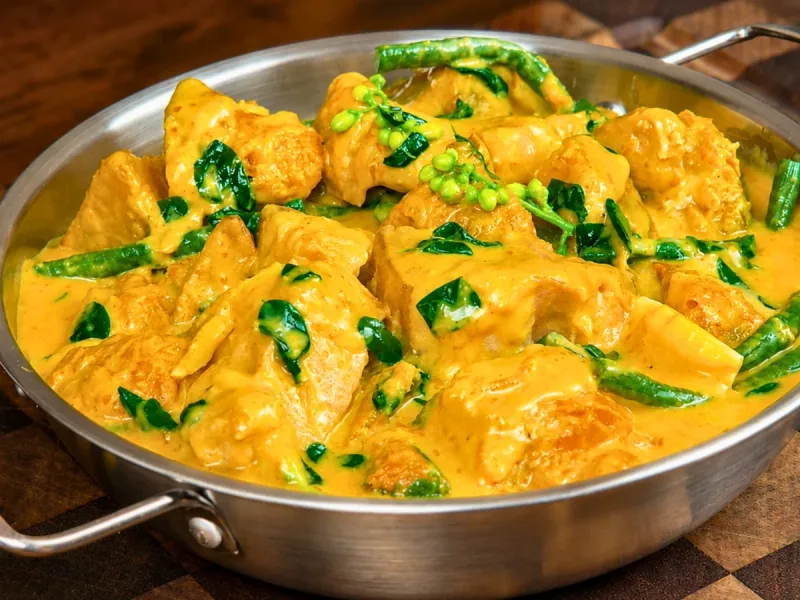
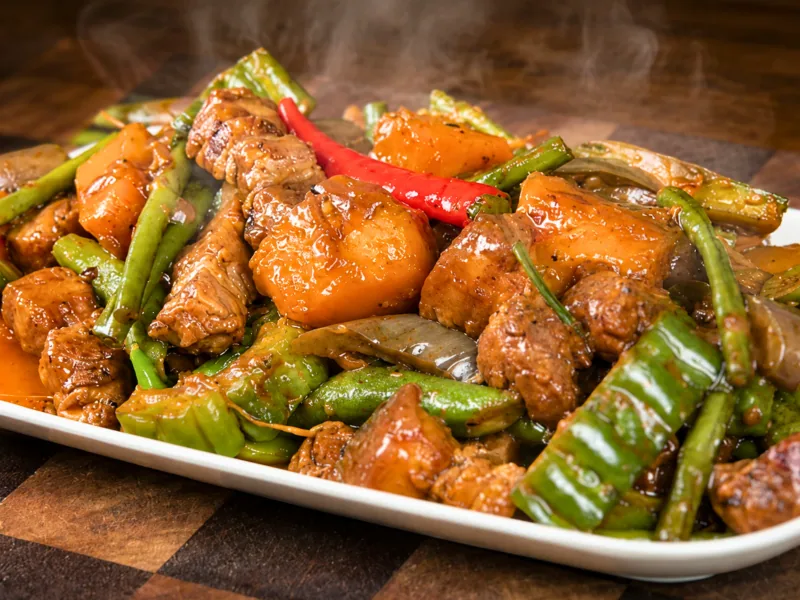
Bicol Express is a rich Filipino dish made by simmering pork with coconut milk, bagoong, aromatics, and chilies. It is strongly associated with Bicolano cooking, where gata and spicy food are widely enjoyed.

The familiar modern name is commonly credited to Cecilia “Tita Cely” Kalaw, who popularized the dish in Malate and named it after the Bicol Express train. Its combination of coconut milk and chilies, however, draws heavily from the flavors and cooking traditions of the Bicol Region.

Sitaw is not found in every version of Bicol Express, but it works especially well here. Its freshness and lightly crisp texture balance the richness of the pork belly and coconut sauce.

For this recipe, the pork is browned in its own rendered fat before the bagoong and gata are added. Kakang gata finishes the dish with a richer coconut flavor, while the amount of chili can be adjusted according to how much heat you enjoy.

The Kubo Cooks method

Why This Recipe Works

Rendering and lightly browning the pork belly creates a flavorful foundation without requiring much additional oil. The released fat is then used to sauté the garlic, onion, ginger, and bagoong.

Cooking the bagoong with the aromatics helps distribute its savory flavor throughout the sauce. Because different bagoong products vary in saltiness and sweetness, the final seasoning is adjusted only after the sauce has reduced.

The pork gently simmers in gata until tender. This gives the meat time to flavor the coconut sauce while the sauce gradually becomes thicker and more concentrated.

Sitaw is added near the end so it can absorb some of the sauce without becoming overly soft. Kakang gata also goes in toward the end, preserving its fuller coconut flavor and giving the finished sauce a richer consistency.

What to know

Ingredient Notes

Pork belly
Choose pieces with a good balance of meat and fat. Render them gradually so the pork releases enough fat for sautéing the aromatics.
Sitaw
Cut the beans into even lengths and add them toward the end. They should become tender while retaining some texture.
Garlic, onion, and ginger
These form the aromatic base of the sauce. Ginger adds warmth that works well with both the pork and coconut milk.
Green chilies
Use mild long chilies for their aroma or add hotter chilies for a stronger kick. Adjust the quantity according to your preferred level of heat.
Bagoong
Its saltiness, sweetness, and intensity can vary considerably between brands and homemade versions. Taste the reduced sauce before adding patis or salt.
Gata
This is used for simmering the pork and forms the main body of the sauce.
Kakang gata
This is the richer first squeeze of coconut milk. Adding it near the end gives the dish a fuller coconut flavor and creamier finish.
Water
Add only when necessary to keep enough liquid in the pan while the pork becomes tender. Too much can unnecessarily dilute the coconut sauce.
Patis, salt, and black pepper
These are for the final adjustment. The bagoong may already provide enough salt, so season gradually.
Make it your own

Substitutions

Pork belly
Pork shoulder or kasim is a slightly leaner option. It may need a little oil for browning and should be simmered until tender. Boneless chicken thighs may also be used, although they will cook more quickly.
Sitaw
Green beans can be used when sitaw is unavailable. Their cooking time may differ, so check their texture as they simmer. You can also omit the sitaw completely for a more traditional pork-focused version.
Green chilies
Use red chilies, green chilies, or a combination of both. Siling haba provides a milder aroma, while siling labuyo can be added carefully for more heat.
Bagoong
Raw or sautéed bagoong alamang can be used. If your ginisang bagoong is sweetened or already heavily seasoned, begin with a smaller amount and adjust after tasting.
Fresh gata
Unsweetened canned coconut milk works as a substitute. Shake or stir it well before measuring.
Kakang gata
Use unsweetened coconut cream when fresh kakang gata is unavailable. Avoid sweetened cream of coconut.
Patis
Leave it out and adjust with salt if preferred. Add either seasoning only after tasting the reduced sauce.
Bicol Express with Sitaw process photo 1
Bicol Express with Sitaw process photo 2
Bicol Express with Sitaw process photo 3
Gallery photos 1–3 of 6
From my kitchen

Kubo Cooking Notes

Render the pork without rushing

Begin with moderate heat and give the pork belly enough time to release some of its fat. If the heat is too high, the outside can burn before enough fat has rendered.

Aim for light browning rather than a deeply fried exterior. The pork still needs to simmer until tender afterward.

Let the bagoong cook with the aromatics

Sautéing the bagoong briefly helps its flavor blend into the sauce instead of tasting like it was added at the end.

Watch the bottom of the pan as you do this. Bagoong can contain sugar and may stick or darken quickly, particularly when using a prepared ginisang version.

Use gata and kakang gata differently

The regular gata can handle the longer simmer needed to tenderize the pork. Kakang gata is richer and is better added near the end so its coconut flavor remains more pronounced.

After adding the kakang gata, keep the cooking gentle. Allow it to combine with the sauce without reducing it until excessively oily or dry.

Keep the sitaw distinct

Add the sitaw only after the pork is tender and the sauce is close to its final consistency. It needs enough time to absorb flavor but should not disappear into the sauce.

If you are preparing the pork base ahead, cook the sitaw when reheating the dish for a fresher texture.

Adjust the consistency before the seasoning

The sauce will become saltier and more concentrated as it reduces. Wait until it reaches the consistency you want before adding more patis or salt.

If the pork needs more cooking time but the sauce is already becoming too thick, add a small amount of water rather than more coconut milk.

Choose your preferred level of heat

Bicol Express is known for its chilies, but you can still adjust the heat for the people you are serving. Long chilies contribute their aroma without always making the dish extremely spicy.

For a mixed group, keep the main dish moderately spicy and serve sliced siling labuyo on the side.

Plan ahead

Make-Ahead, Storage, and Reheating

Make ahead: The pork and coconut sauce can be cooked ahead without the sitaw and final kakang gata. Cool and refrigerate the base in a covered container, then finish it with the sitaw and kakang gata when you are ready to serve. This keeps the beans from becoming overly soft and preserves more of the fresh coconut flavor.

Store leftovers: Transfer the leftovers to a shallow covered container and refrigerate. For best quality, consume them within 3–4 days. The sauce may thicken or separate slightly while chilled because of the coconut milk and rendered pork fat. This is normal and should come together again during gentle reheating.

Freeze: Allow the completed Bicol Express to cool, then transfer it to a freezer-safe covered container with a little room for expansion. Consume within 2–3 months for the best quality. Thaw overnight in the refrigerator and reheat gently, stirring until the coconut sauce comes back together. The sitaw will be softer after freezing, but the pork and sauce should still reheat well.

Reheat: Reheat only the portion you need over low to medium-low heat, stirring occasionally. Add a small splash of water or gata if the sauce has become too thick. Avoid rapidly boiling the sauce. Heat it gently until the pork is hot throughout and the sauce is smooth again.

Bring it to the table

Serving Suggestions

  • Serve with plenty of freshly cooked rice to balance the rich, savory sauce.
  • Pair it with sliced cucumber, tomatoes, or atchara for something fresh and acidic.
  • Serve additional sliced chilies on the side for anyone who prefers more heat.
  • A salted egg and tomato salad also works well alongside the creamy coconut sauce.
  • Let the dish rest briefly before serving so the sauce can settle and cling more evenly to the pork and sitaw.

Ingredients

  • 1 kg pork belly, sliced into bite-sized pieces
  • 300 g snake beans or sitaw, cut into 2-inch pieces
  • 5 cloves garlic, minced (about 25 g)
  • 1 medium onion, sliced (about 120 g)
  • 1 thumb-sized piece ginger, minced (about 30 g)
  • 3–5 fresh green chilies, sliced, or 1–2 tsp chili flakes (optional)
  • 3 Tbsp shrimp paste or bagoong (about 45 g)
  • 2 cups coconut milk or gata (500 ml)
  • 1 cup coconut cream or kakang gata (250 ml)
  • ½ cup water (120 ml), optional
  • Fish sauce or patis, to taste (optional)
  • Salt and ground black pepper, to taste

How to Make It

  1. Heat a medium to large pan over medium heat.
  2. Add the sliced pork belly and cook until the fat renders and the pork develops a light golden-brown color.
  3. Using the rendered pork fat, sauté the garlic, ginger, and onion until fragrant and softened.
  4. Add the bagoong and sauté for a few minutes to cook off its raw aroma and deepen its flavor.
  5. Pour in the coconut milk or gata and stir until well combined.
  6. Cover and simmer over medium-low heat for 35–45 minutes, or until the pork becomes tender.
  7. Add the fresh green chilies or chili flakes, if using. Add water if the sauce becomes too thick while simmering.
  8. Add the sliced sitaw and continue cooking until tender but still slightly crisp.
  9. Season with patis or salt, and ground black pepper as needed.
  10. Pour in the coconut cream or kakang gata and simmer briefly until the sauce becomes richer and creamier.
  11. Serve hot with steamed rice and enjoy!
Kubo Tips
  • Slowly rendering the pork belly before adding other ingredients creates a richer and more flavorful base.
  • Sautéing the bagoong before adding coconut milk helps mellow its strong aroma while bringing out its savory flavor.
  • Add the coconut cream near the end to preserve its richness and create a creamier sauce.
  • Adjust the amount of chilies depending on your preferred spice level.
  • Avoid overcooking the sitaw so it keeps some texture and balances the richness of the sauce.
  • Like many coconut-based Filipino dishes, this tastes even better after resting and reheating the next day.