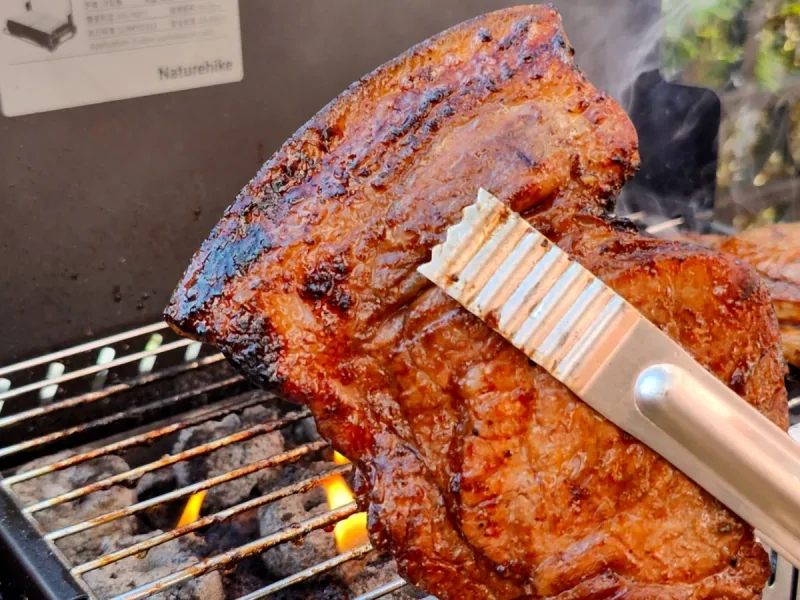
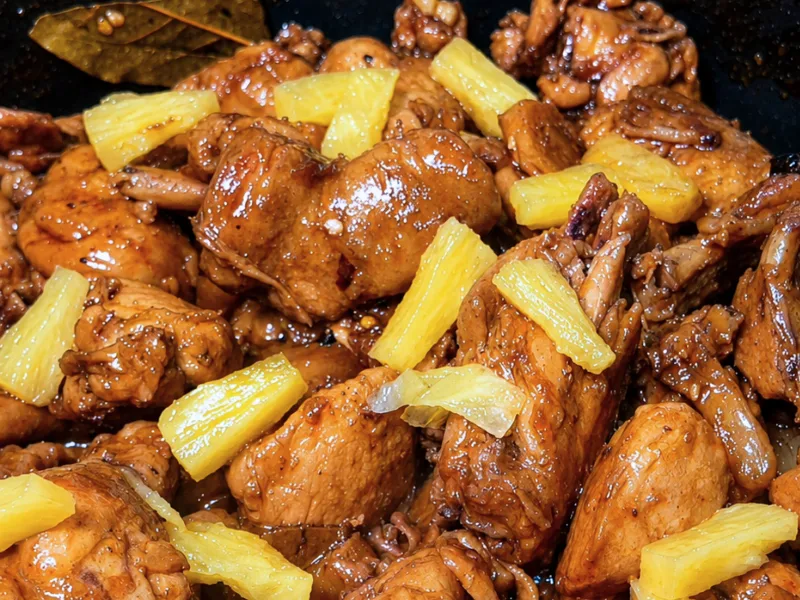
Visayan-Inspired Pork Adobo
Watch the full recipe

See every step.

Play the complete Kubo Cooks video directly on this page.

Player not loading? Watch on YouTube ↗

Discover the dish

About Visayan-Inspired Pork Adobo

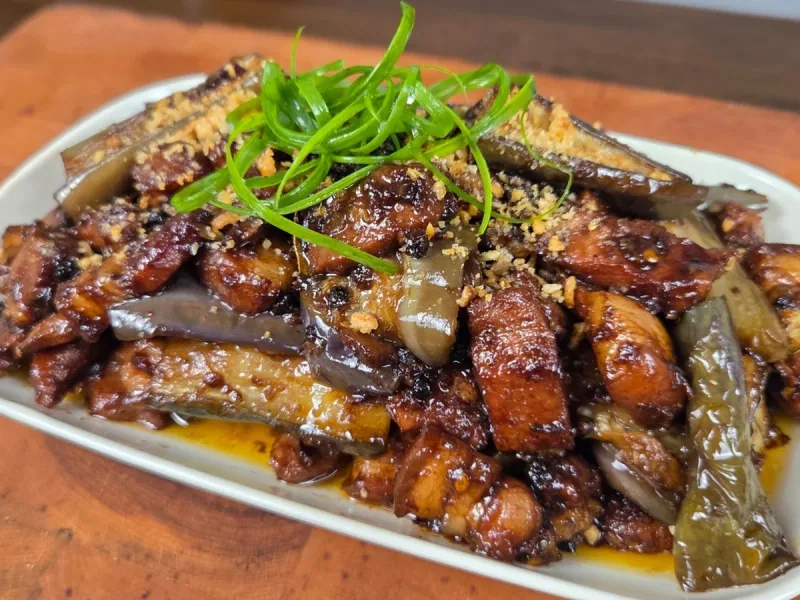
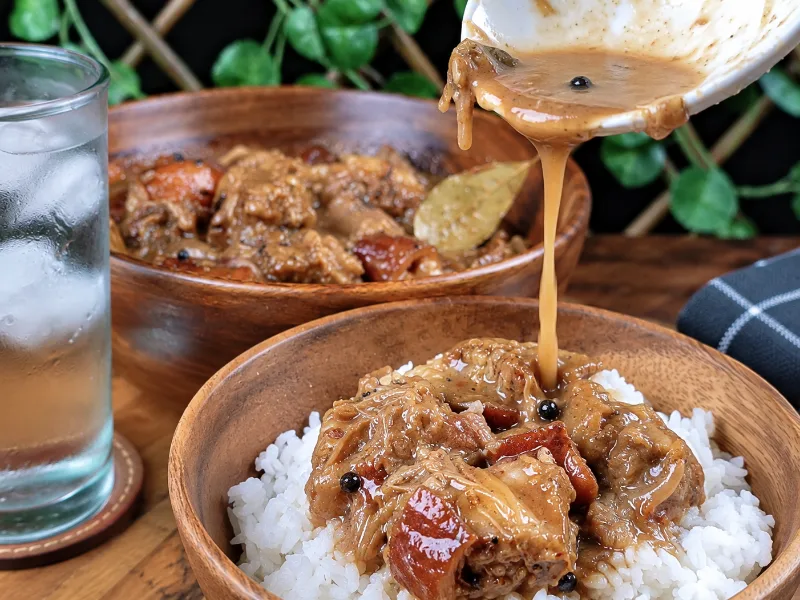
This Visayan-inspired pork adobo takes the familiar vinegar and garlic braise in a richer direction. Pork leg or pork belly is simmered with soy sauce, coconut vinegar, ginger, annatto, peppercorns, and bay leaves before being finished with crispy garlic and green onions.

Although the word adobo came from Spanish, cooking meat with native vinegar, salt, garlic, and other aromatics was already practiced in the Philippines. The dish continued to change as families and regions added the ingredients and techniques familiar to them.

Here in Iloilo, ginger and annatto are familiar additions to adobo. The ginger adds warmth, while the annatto gives the sauce its reddish color.

Red bell pepper is not a common addition to Filipino adobo. I use it here for its color, gentle sweetness, and lightly crisp texture. You can leave it out or use siling haba or siling labuyo instead if you prefer a more familiar chili flavor.

Garlic appears in three forms. Minced garlic builds the sautéed base, lightly crushed cloves with their skins still on simmer with the pork, and crispy garlic finishes the dish with another layer of aroma and texture.

The Kubo Cooks method

Why This Recipe Works

Pork leg and pork belly both benefit from simmering, but they produce different results. Pork leg gives the dish a meatier and slightly leaner character, while pork belly creates a richer sauce as its fat renders.

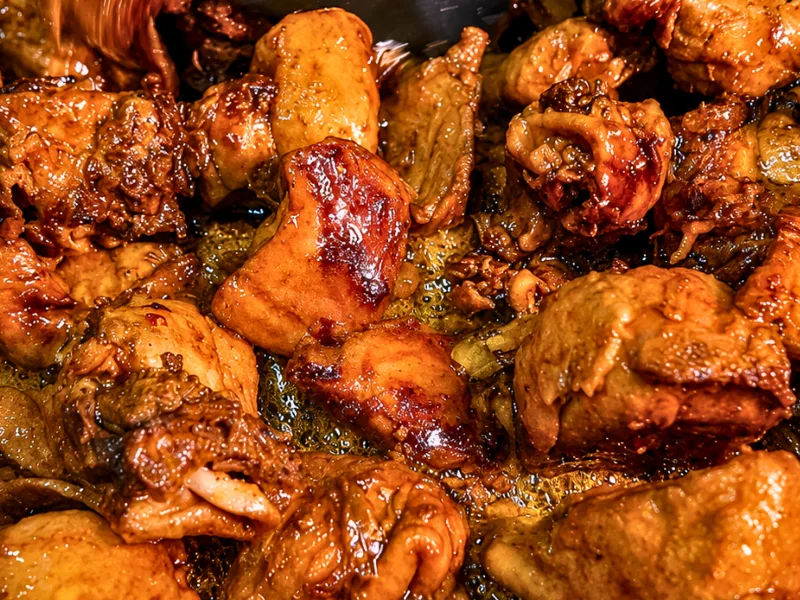
Lightly browning the pork develops flavor before the braising liquid is added. Some of the rendered pork fat can also be used for sautéing the garlic, onion, and ginger.

Soy sauce, oyster sauce, peppercorns, bay leaves, and the optional pork broth cube season the simmering liquid. Giving the pork enough time in this mixture allows it to become tender while contributing its own flavor to the sauce.

Holding the annatto seeds inside a sieve colors the sauce without leaving loose seeds in the pot. Since the seeds are extracted directly in the hot liquid, this method does not rely on annatto oil.

Coconut vinegar is added after the pork has already simmered. Letting it return to a steady simmer before stirring helps mellow its sharp initial aroma.

The bell peppers are added near the end so they retain some color and texture. Crispy garlic and green onions are also added only when serving, keeping their aroma fresher and preventing the garlic from softening in the sauce.

Ingredients for Visayan-Inspired Pork Adobo
What to know

Ingredient Notes

Pork leg or pork belly
Pork leg gives you leaner, meatier pieces, while pork belly produces a richer and more oily sauce. Cut the pork into similarly sized pieces so they become tender at approximately the same time.
Garlic
Most of the garlic is minced and divided between the adobo and crispy topping. A few lightly crushed cloves are left with their skins on and simmered in the sauce for a deeper aroma.
Onion
Softens into the sauce and adds a little natural sweetness.
Ginger
Adds warmth and fragrance. Ginger is a familiar addition to many Ilonggo versions of adobo and is also part of the adobo I grew up eating.
Red bell peppers
Red bell pepper is not commonly used in adobo, but I add it here for color, gentle sweetness, and a little texture. It goes in near the end so it does not become overly soft.
Annatto seeds or atsuete
Place the seeds inside a metal fine mesh sieve, then set the sieve directly in the pot while the adobo is cooking. Remove it once the sauce reaches the color you want.
Black peppercorns and bay leaves
Give the sauce the peppery and aromatic character associated with adobo.
Chili flakes
Add a steady background heat. Adjust them according to your preference.
Soy sauce
Provides saltiness, color, and savory flavor. Brands differ, so taste the reduced sauce before adding any additional seasoning.
Oyster sauce
Adds body and another layer of savory flavor. It also contributes saltiness.
Sugar
Softens the sharp edges of the soy sauce and vinegar. The goal is balance rather than an obviously sweet sauce.
Coconut vinegar
Gives the adobo its acidity with a slightly smoother character than some sharper vinegars.
Water
Provides enough liquid for the pork to simmer until tender. The amount remaining at the end depends on the pork cut, pot width, and cooking heat.
Cooking oil
Used for the crispy garlic and sautéing. If the pork releases enough fat, less additional oil may be needed for the adobo itself.
Green onions
Added as a fresh garnish alongside the crispy garlic.
Pork broth cube
Optional. It strengthens the savory pork flavor but also contributes salt, so taste before making the final adjustment.
Make it your own

Substitutions

Pork leg or pork belly
Pork shoulder or kasim provides a good balance of meat and fat. Chicken may also be used, but it will generally cook faster than pork.
Annatto seeds
Soak them in hot water and add the strained liquid, or gently infuse them in cooking oil as shown in the Visayan-Inspired Chicken Adobo. Prepared annatto oil also works. Annatto may be omitted, although the sauce will not have the same reddish color.
Coconut vinegar
Cane vinegar is the closest easy substitute. White vinegar also works but may taste sharper, so give it enough time to simmer before adjusting the sauce.
Red bell peppers
Leave them out or replace them with siling haba for a milder chili aroma. Add siling labuyo carefully if you prefer more heat. Do not replace the bell peppers measure for measure because these chilies can be considerably hotter. A combination of siling haba and siling labuyo also works.
Chili flakes
Use sliced fresh red chilies, green chilies, or a combination of both. They may also be omitted for a non-spicy adobo.
Oyster sauce
Use mushroom-based oyster sauce or leave it out. If omitting it, taste the reduced sauce before deciding whether it needs more soy sauce.
Pork broth cube
Leave it out or replace some of the water with unsalted pork or chicken broth. Add prepared broth gradually so the sauce does not become too thin.
Sugar
Brown or white sugar both work. Reduce or omit it if you prefer a more strongly salty and tangy adobo.
Crispy garlic
The topping may be omitted. The adobo will still have plenty of garlic flavor from the minced and crushed cloves in the sauce.
Visayan-Inspired Pork Adobo process photo 1
Visayan-Inspired Pork Adobo process photo 2
Visayan-Inspired Pork Adobo process photo 3
Gallery photos 1–3 of 6
From my kitchen

Kubo Cooking Notes

Choose the pork cut according to the result you want

Pork leg gives the adobo firmer, meatier pieces with less rendered fat. Pork belly becomes softer and gives the sauce more richness.

Pork leg may need a little more attention during simmering so it becomes tender without drying out. Pork belly may release enough fat that some can be removed before the sauce is reduced.

Three treatments of garlic

The minced garlic sautéed with the onion and ginger creates the flavor base. The lightly crushed skin-on cloves simmer more gently and contribute a deeper aroma.

The reserved minced garlic is fried separately until crisp. Keeping it out of the sauce allows it to remain a distinct topping rather than becoming soft.

Extract the annatto directly in the pot

Place the annatto seeds inside a metal fine mesh sieve, then set the sieve directly in the pot so the seeds come into contact with the hot cooking liquid.

There is no need to soak the seeds separately for this method. Allow the liquid to flow through the sieve until the sauce develops the reddish color you want, then carefully lift the sieve out of the pot.

Give the pork room to brown

Browning works best when the pieces have contact with the bottom of the pot. If the pork is packed too tightly, the moisture it releases can cause it to steam.

Brown in batches when necessary. This is especially useful when using leaner pork leg, which releases less fat than pork belly.

Let the vinegar settle before stirring

Freshly added vinegar has a sharper aroma and flavor. Allow it to return to a steady simmer for a few minutes before stirring it through the sauce.

Make the final adjustment only after the vinegar has mellowed and the sauce has reduced. Tasting too early can lead to unnecessary sugar or soy sauce being added.

Reduce before making the final adjustment

Soy sauce, oyster sauce, the optional pork cube, and the pork juices all become more concentrated as the liquid reduces.

Wait until the sauce is close to your preferred consistency before deciding whether it needs more saltiness, sweetness, acidity, or water.

Keep the crispy garlic crisp

Start the garlic in cool oil and raise the heat gradually. Strain it as soon as it becomes lightly golden because residual heat will continue darkening it.

Allow the fried garlic to drain and cool separately. Add it only after transferring the adobo to its serving dish.


Plan ahead

Make-Ahead, Storage, and Reheating

Make ahead: The pork adobo can be cooked a day ahead. Resting overnight gives the pork and sauce more time to exchange flavors. For better texture, leave out the bell peppers and garnishes when preparing it ahead. Add the bell peppers during reheating, then finish with freshly sliced green onions and crispy garlic.

Store leftovers: Transfer the pork and sauce to a covered container and refrigerate once cool enough to handle. Consume within 3–4 days. Keep the crispy garlic in a separate covered container so it does not absorb moisture from the sauce.

Freeze: Pork adobo can be frozen for longer storage. Cool it completely, transfer the pork and enough sauce to cover it into a freezer-safe container, and leave a little room for expansion. For the best flavor and texture, consume it within 2–3 months. Freeze the pork and sauce without the bell peppers, crispy garlic, or green onions. Thaw overnight in the refrigerator before reheating.

Reheat: Reheat the pork gently with its sauce until thoroughly hot. Add a small splash of water if the sauce has become too thick. If the bell peppers were left out during advance preparation, add them near the end of reheating. Finish with crispy garlic and green onions immediately before serving.

Bring it to the table

Serving Suggestions

  • Serve with plenty of hot steamed rice and spoon the reduced sauce over the pork.
  • Top generously with crispy garlic and sliced green onions.
  • Pair with sliced tomatoes and cucumber for a fresh contrast.
  • Serve with atchara to balance the rich, savory, and tangy sauce.
  • Add a fried egg for a filling breakfast or lunch.
  • Offer extra chilies on the side for anyone who prefers more heat.

Ingredients

  • 1 kg pork leg or pork belly
  • 2 heads garlic
  • 1 medium onion
  • 1 thumb-sized piece ginger
  • 2 medium red bell peppers
  • 2 Tbsp annatto seeds or atsuete seeds
  • 1 Tbsp whole black peppercorns
  • 3 dried bay leaves
  • 1½ tsp chili flakes
  • 4 Tbsp soy sauce
  • 2 Tbsp oyster sauce
  • 2 Tbsp sugar
  • 3 Tbsp coconut vinegar
  • 500 ml water
  • 2 Tbsp cooking oil
  • 1 stalk green onions, for topping
  • 1 pork broth cube, 10 g (optional)

How to Make It

  1. Slice the pork into bite-sized pieces, then set aside.
  2. Finely mince most of the garlic, leaving 4 to 5 cloves lightly crushed with the skin on.
  3. Divide the minced garlic into two portions, one for the adobo and one for the crispy garlic topping.
  4. Slice the onion, bell peppers, and ginger, then set aside.
  5. To make the crispy garlic, combine the reserved minced garlic and enough cooking oil in a small pot.
  6. Start over low to medium heat and fry until lightly golden, then strain immediately and set aside.
  7. Heat the cooking oil in a large pot over medium heat.
  8. Add the minced garlic, crushed garlic, onion, and ginger, then sauté until fragrant and softened.
  9. Add the pork and cook until lightly browned.
  10. Add the pork broth cube, water, soy sauce, oyster sauce, peppercorns, bay leaves, and chili flakes.
  11. Mix well, cover, and bring to a boil.
  12. Place the annatto seeds in a fine mesh sieve and dip them into the boiling liquid until the sauce develops a reddish color.
  13. Stir in the sugar, cover, and simmer for 20 to 30 minutes.
  14. Pour in the coconut vinegar and let it simmer undisturbed for a few minutes.
  15. Mix well, then simmer uncovered for another 20 to 30 minutes, or until the pork is tender and the sauce has reduced.
  16. Add the sliced bell peppers and cook for another 2 to 3 minutes.
  17. Taste and adjust the seasoning as needed.
  18. Transfer to a serving dish and top with crispy garlic and sliced green onions.
  19. Serve with hot rice and enjoy!
Kubo Tips
  • Start the crispy garlic in cold oil so it cooks evenly and does not cause the oil to bubble over.
  • Strain the garlic as soon as it turns lightly golden because it will continue to darken from residual heat. Save the garlic oil and use it for sautéing other dishes.
  • To reduce the need for extra oil, cook the pork first and use the rendered fat to sauté the aromatics.
  • Let the coconut vinegar simmer briefly before stirring to mellow its sharp flavor.
  • Add the bell peppers near the end so they keep some freshness and texture.
  • Adobo often tastes even better the next day after the flavors have had more time to develop.