Chicken Pinyadobo
Watch the full recipe

See every step.

Play the complete Kubo Cooks video directly on this page.

Player not loading? Watch on YouTube ↗

Discover the dish

About Chicken Pinyadobo

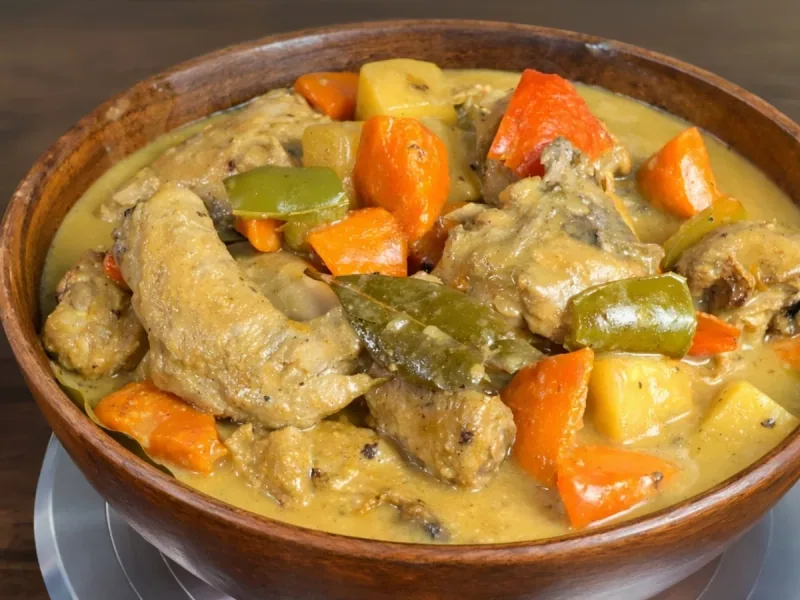
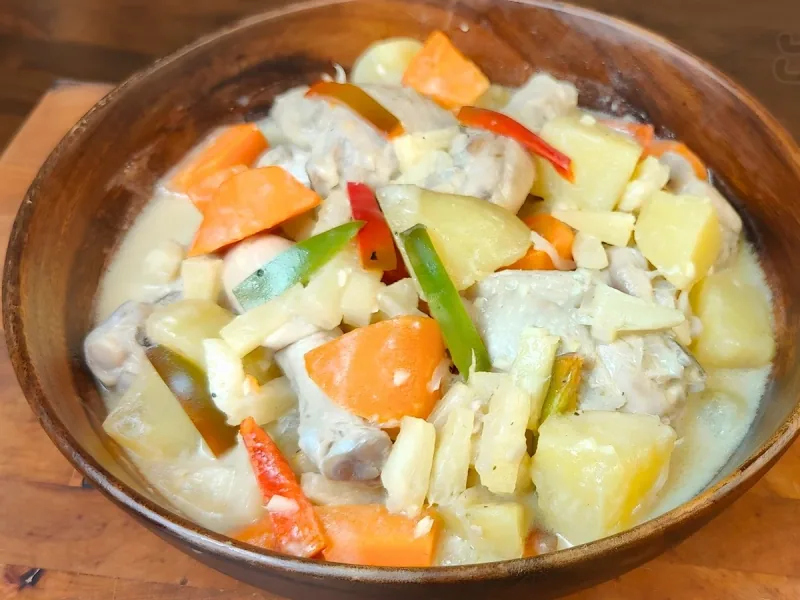
Chicken pinyadobo is chicken adobo with pineapple, bringing a fruity sweetness to the familiar combination of soy sauce, vinegar, garlic, and spices.

Filipino adobo has roots in local vinegar-based cooking, with its Spanish name coming later. Over time, it has developed into many household and regional variations.

This version uses pineapple tidbits, a little reserved syrup, and coconut vinegar. The pineapple adds sweetness without taking away the salty, tangy character of the adobo.

Here in Iloilo, ginger and annatto seeds, or atsuete, are common additions to adobo. The adobo I grew up eating had ginger, so that warm, aromatic flavor feels familiar to me. I also use chicken oil in this recipe. If you notice its bright orange color in the video, that comes from the annatto.

The Kubo Cooks method

Why This Recipe Works

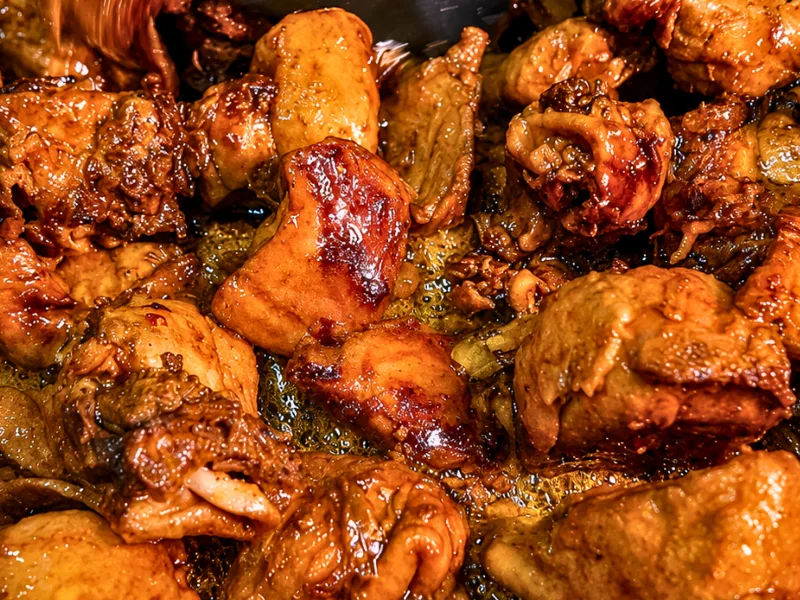
Lightly browning the chicken before simmering adds another layer of flavor to the sauce. Garlic and onion form the aromatic base, with optional ginger adding a warmer note.

The chicken releases liquid as it cooks, and the pineapple syrup, soy sauce, and vinegar also contribute to the sauce. Adding water only when needed helps keep the flavor concentrated instead of starting with more liquid than the dish needs.

Pineapple brings sweetness and acidity, while coconut vinegar keeps the sauce distinctly tangy. Using only a measured amount of syrup gives us more control over the sweetness, especially when adding optional sugar.

The covered simmer helps the chicken cook through without losing too much liquid. Finishing uncovered allows the sauce to reduce to the consistency you prefer.

What to know

Ingredient Notes

Chicken
Adobo-cut chicken gives you manageable serving pieces. Thighs and drumsticks are good choices for a richer result; breast pieces need more attention because they can dry out sooner.
Pineapple tidbits
Drain the can and reserve ¼ cup of syrup for the sauce. The listed 560 g refers to the can size, not the weight of drained pineapple alone.
Garlic and onion
Minced garlic spreads its flavor through the sauce, while sliced onion softens into it.
Ginger
Adds a warm, aromatic note alongside the garlic and onion. Keep it sliced as listed, or leave it out if you prefer.
Soy sauce
Provides the main salty seasoning. Its flavor becomes more concentrated as the sauce reduces.
Coconut vinegar
Gives the sauce its tangy finish. Different brands can vary in acidity, so taste before making adjustments.
Oyster sauce
Optional. Adds savory depth, but also contributes saltiness and sometimes sweetness.
Chicken broth cube
Optional. The chicken already contributes flavor to the cooking liquid, so the cube is an extra seasoning rather than a requirement.
Whole peppercorns and bay leaves
Flavor the sauce as it simmers. Remove the bay leaves before serving and watch for the whole peppercorns when eating.
Sugar
Optional. The pineapple syrup may already provide enough sweetness.
Water
Use only as needed to keep enough liquid in the pot while the chicken cooks.
Chilies
Fresh red chilies or chili flakes add heat. Adjust to your preference or leave them out.
Cooking oil
I use chicken oil in this recipe, made from rendered chicken fat infused with garlic and annatto. Regular cooking oil works too.
Make it your own

Substitutions

Mixed chicken cuts
Use all thighs or drumsticks if you prefer. Boneless thighs also work, but may cook faster than larger bone-in pieces.
Pineapple tidbits
Canned pineapple chunks or rings cut into smaller pieces work too.
Pineapple in syrup
Pineapple packed in juice is another option. Reserve the same amount of liquid, then adjust the sweetness near the end.
Coconut vinegar
Cane vinegar or white vinegar can be used. Their flavor may differ, so make the final adjustment after the sauce has simmered.
Fresh ginger
Leave it out for a more straightforward garlic-and-vinegar flavor.
Oyster sauce or broth cube
Either or both can be omitted. Taste the reduced sauce before adding more seasoning.
Fresh red chilies
Green chilies, a combination of both, or chili flakes can be used. Heat depends on the variety and amount.
Chicken Pinyadobo process photo 1
Chicken Pinyadobo process photo 2
Chicken Pinyadobo process photo 3
Gallery photos 1–3 of 6
From my kitchen

Kubo Cooking Notes

Adobo first, pineapple second

The pineapple should complement the salty, tangy sauce rather than turn it into a sweet glaze. A full can of fruit does not mean all the packing liquid needs to go into the pot.

The measured syrup gives the sauce some sweetness while leaving room for adjustment. Depending on the brand, the optional sugar may not be needed at all.

The sauce gets stronger as it reduces

A sauce that tastes lightly seasoned early on can become quite salty after reducing, particularly when soy sauce, oyster sauce, and a broth cube are used together.

The same applies to sweetness. Judge the final balance when the sauce is close to your preferred consistency, not while it still contains plenty of liquid.

Chicken texture matters more than the clock

Piece size and the cuts you use affect cooking time. The chicken should be cooked through, with the thickest part reaching at least 74°C without the thermometer touching bone.

If the chicken is ready before the sauce has reduced enough, it can be lifted out temporarily while the sauce finishes. This is especially helpful when using leaner breast pieces.

Choose how saucy you want it

A looser sauce is good for spooning over rice, while a more reduced sauce clings closely to the chicken. Neither needs to be taken all the way to a sticky glaze.

The sauce can become thicker as it rests or chills. A small splash of water during reheating can bring it back to the consistency you like.

Plan ahead

Make-Ahead, Storage, and Reheating

Make ahead: This dish can be cooked a day ahead and refrigerated promptly. Keep the chicken with its sauce so it can be reheated together. Leave the sauce a little looser if you expect it to reduce further during reheating.

Store leftovers: Transfer the chicken, pineapple, and sauce to shallow covered containers and refrigerate promptly. Consume within 3–4 days. The vinegar does not make the finished dish suitable for storage at room temperature.

Freeze: Cool the chicken, pineapple, and sauce completely, then transfer them to a freezer-safe covered container with a little room for expansion. Consume within 2–3 months for the best flavor and texture. Thaw overnight in the refrigerator before reheating. The pineapple may become slightly softer after freezing, but the chicken and sauce should hold up well.

Reheat: Reheat only the portion you need over gentle heat, turning the chicken occasionally so it warms evenly. Add a small splash of water if the sauce is too thick. Heat until the chicken reaches 74°C throughout, then taste before adding any more seasoning.

Bring it to the table

Serving Suggestions

  • Serve with hot steamed rice and spoon some sauce over the top.
  • Pair with steamed or lightly sautéed vegetables to balance the rich sauce.
  • Add a few extra pineapple tidbits before serving for a fresher contrast.
  • Offer sliced chilies on the side so everyone can adjust the heat.

Ingredients

  • 2 Tbsp chicken oil or regular cooking oil
  • 6 cloves garlic, minced (about 30 g)
  • 1 medium onion, sliced (about 120 g)
  • 1 Tbsp ginger, sliced (about 15 g) (optional)
  • 1 kg chicken, adobo cut
  • 1 can pineapple tidbits, drained, reserving ¼ cup syrup (560 g can)
  • 1 chicken broth cube (optional)
  • 1 tsp whole peppercorns
  • 3 bay leaves
  • ¼ cup soy sauce (60 ml)
  • 2 Tbsp oyster sauce (optional)
  • ⅓ cup coconut vinegar (80 ml)
  • 1–2 Tbsp sugar (optional)
  • ½–1 cup water (about 120–240 ml), only as needed
  • 2 fresh red chilies, sliced, or ½ tsp chili flakes (optional)

How to Make It

  1. Heat the cooking oil in a medium to large pot over medium heat.
  2. Add the garlic and sauté until fragrant, about 30 seconds.
  3. Add the sliced onion and cook until softened.
  4. If using, stir in the ginger and cook for another minute.
  5. Add the chicken and cook until lightly browned on all sides.
  6. Pour in the soy sauce. Add the pineapple tidbits along with about ¼ cup of the reserved pineapple syrup, the chicken broth cube (if using), whole peppercorns, bay leaves, and oyster sauce (if using).
  7. Stir well, then check how much liquid the chicken has released. Add ½–1 cup water only if needed.
  8. Cover and let it simmer over medium-low heat for 20 minutes.
  9. Pour in the vinegar and let the sauce return to a gentle simmer. Continue cooking before tasting and adjusting the balance.
  10. If desired, add the sugar to balance the sauce and the fresh chilies or chili flakes for a little heat.
  11. Continue simmering uncovered for 10–15 minutes, or until the sauce has reduced to your preferred consistency.
  12. Top with a few extra pineapple tidbits before serving for added sweetness and texture.
  13. Serve hot with plenty of steamed rice and enjoy!
Kubo Tips
  • For richer flavor, use chicken thighs or a mix of thighs and drumsticks.
  • Don't add too much pineapple syrup—it should complement the adobo, not make it overly sweet.
  • Coconut vinegar gives a smoother, more traditional flavor, but white vinegar works just as well.
  • Taste before adding sugar. Depending on your pineapple, you may not need it.
  • Like most adobo dishes, this tastes even better the next day after the flavors have had time to develop.