Adobong Kangkong with Latik
Watch the full recipe

See every step.

Play the complete Kubo Cooks video directly on this page.

Player not loading? Watch on YouTube ↗

Discover the dish

About Adobong Kangkong with Latik

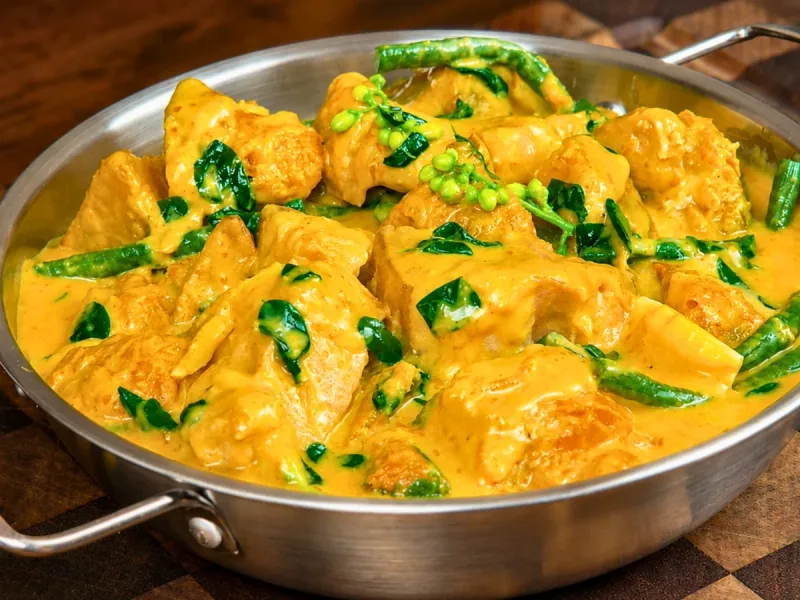
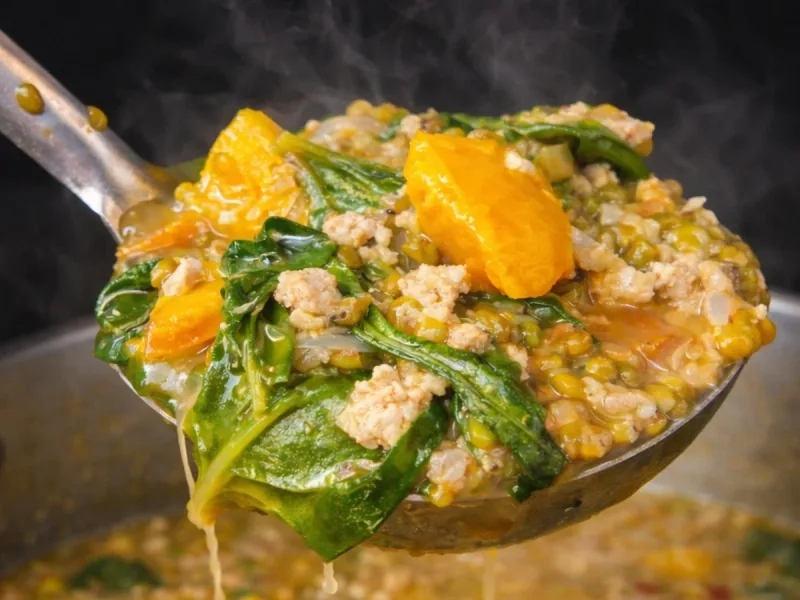
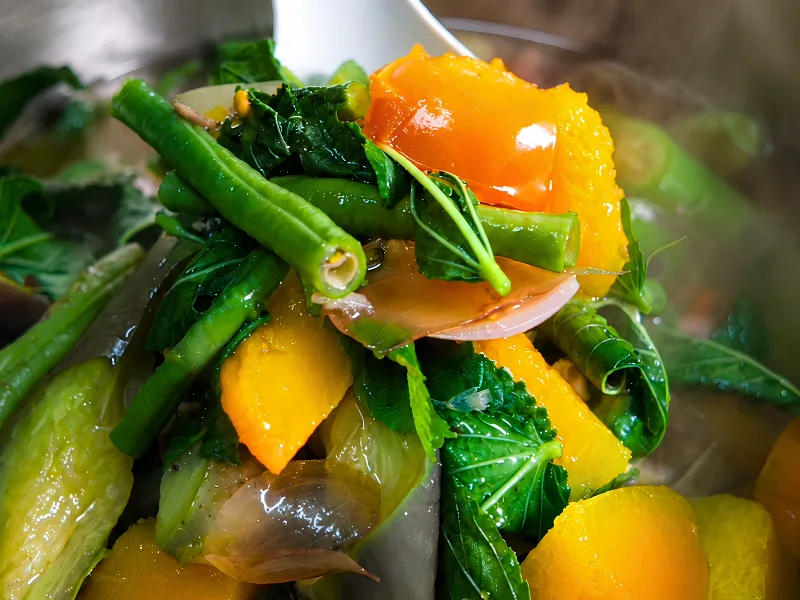
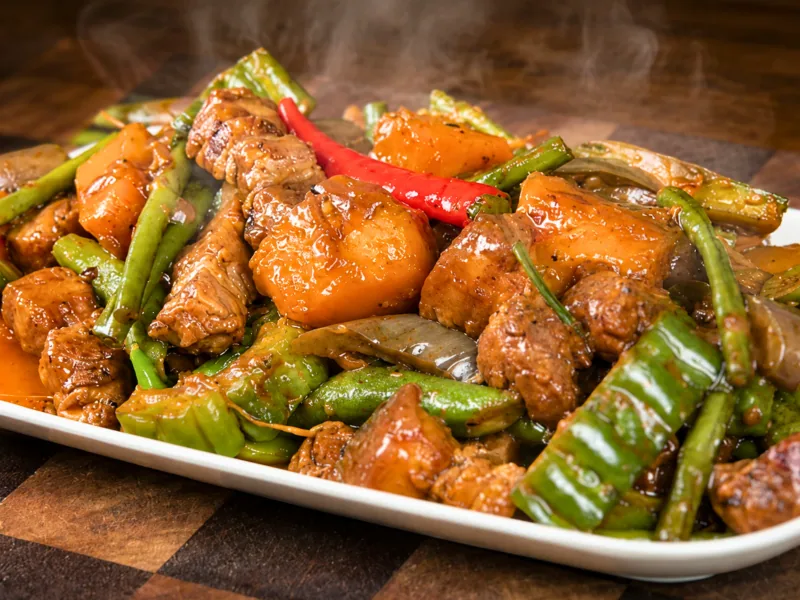
Adobong kangkong brings together tender kangkong, garlic, and a salty, tangy sauce. It’s a simple vegetable dish that fits comfortably into an everyday meal with rice.

There are different versions across the Philippines. I grew up eating apan-apan, a familiar dish in Western Visayas. The version we had used ginamos and pork for extra flavor and richness.

For this recipe, the extra flavor comes from coconut cream. Instead of adding it straight to the vegetables, we cook it down first until it separates into coconut oil and lightly toasted curds, or latik.

We use that coconut oil to sauté the aromatics and keep the latik in the dish. The result has the familiar adobo flavor, with a deeper, nuttier coconut taste.

The Kubo Cooks method

Why This Recipe Works

Cooking down the coconut cream gives us two useful ingredients from one starting point. The curds develop a toasted flavor, while the rendered coconut oil becomes the aromatic base for sautéing the onion and garlic.

The kangkong stems go in before the leaves because they need more time to soften. A little water helps them cook through without letting the pan dry out. Adding the leaves later keeps them from becoming overly soft while we wait for the stems.

Bagoong and soy sauce build the savory base. Oyster sauce is optional, adding another layer of flavor when you want it. Since these ingredients all contribute saltiness, tasting before the final adjustment helps keep the sauce balanced.

Coconut vinegar brings acidity to balance the richness of the coconut oil. Optional sugar rounds out the sharpness and saltiness, while chili flakes add a little heat.

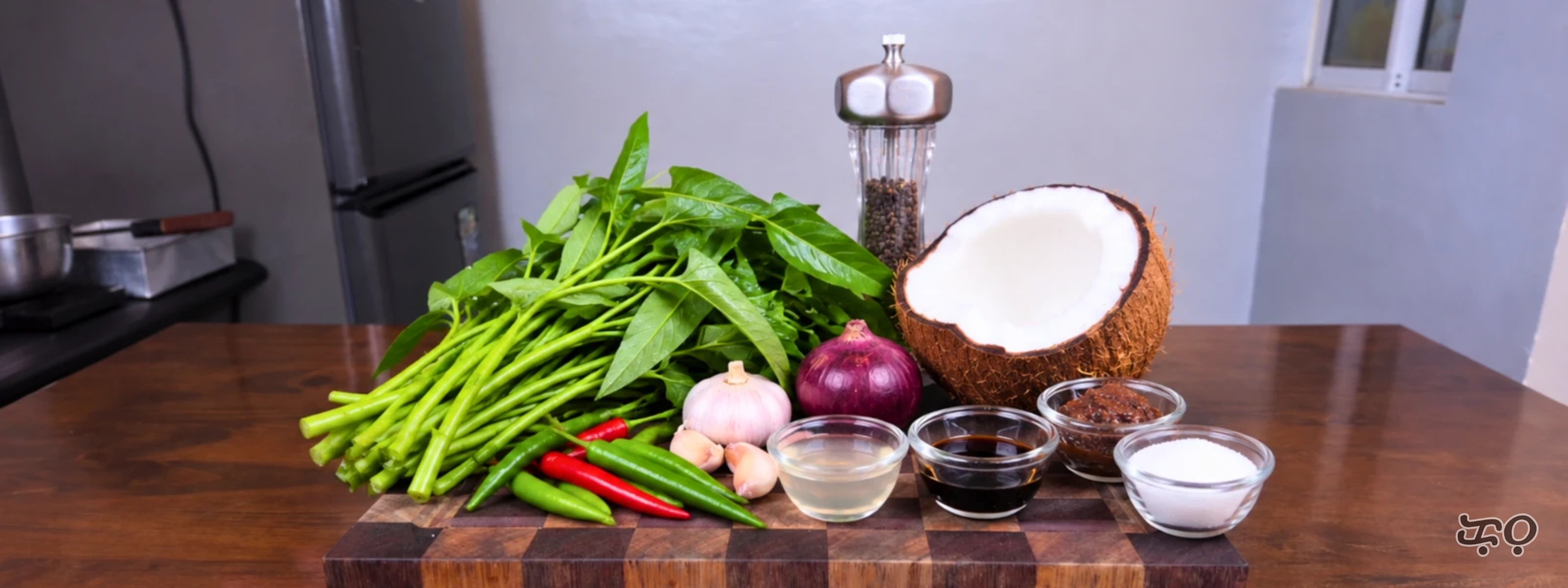
Ingredients for Adobong Kangkong with Latik
What to know

Ingredient Notes

Kangkong
Choose fresh leaves and tender stems. Wash thoroughly, especially around the stems, and discard any tough ends. Bundle sizes vary, so use the video as a visual guide.
Coconut cream or kakang gata
This is the thick cream from the first squeeze of freshly grated mature coconut. I use fresh kakang gata in this recipe and show the squeezing process in the video. Canned unsweetened coconut cream also works.
Onion
I use thinly sliced red onion so it blends into the kangkong. Dicing works too.
Garlic
Roughly chopped garlic works well here. Mince it more finely if you prefer it distributed throughout the dish.
Bagoong
Adds a concentrated savory flavor. Saltiness varies, so start with less if yours is particularly salty.
Oyster sauce
Optional. You can skip it if the bagoong already gives the dish enough flavor.
Soy sauce
Adds the familiar salty adobo flavor. Taste alongside the bagoong before adding more.
Coconut vinegar
Provides the tangy finish that balances the coconut richness.
Sugar
Optional. Use it to balance the sauce rather than make the dish noticeably sweet.
Chili flakes
Adjust to your preferred heat level or leave them out.
Black pepper
Add toward the end, then taste before increasing the amount.
Water
Helps soften the stems and keeps the pan from drying out. Add extra in small splashes if you prefer more sauce.
Make it your own

Substitutions

Fresh coconut cream
Canned unsweetened coconut cream works well. Choose coconut cream rather than a light coconut milk for this method.
Red onion
White onion, yellow onion, or shallots can be used.
Coconut vinegar
Cane vinegar or white vinegar can provide the acidity. Start with a little less and adjust, since their strength and flavor can differ.
Chili flakes
Use sliced fresh red or green chilies, or a combination of both. Adjust according to their heat.
Oyster sauce
Simply leave it out. Taste the finished dish before deciding whether it needs more seasoning.
Bagoong
If you prefer to leave it out, adjust with a little more soy sauce to taste. The flavor will be different, so avoid replacing it measure for measure.
Adobong Kangkong with Latik process photo 1
Adobong Kangkong with Latik process photo 2
Adobong Kangkong with Latik process photo 3
Gallery photos 1–3 of 6
From my kitchen

Kubo Cooking Notes

Lightly golden is enough

The latik does not need to be deeply browned before the kangkong goes in. It continues cooking with the aromatics, so a lightly golden color leaves room for it to develop without turning bitter. Once the curds begin to color, they can darken quickly.

Rich, but not creamy

Although this dish starts with coconut cream, the finished sauce is not meant to look like a creamy ginataan. The cream has already separated into oil and toasted curds. Those small bits of latik bring the nutty flavor, while the oil carries the coconut aroma through the vegetables.

Here, latik means the toasted coconut curds, not the sweet coconut syrup also known by that name.

The seasoning depends on your bagoong

Different kinds and brands of bagoong can change the balance of the whole dish. A saltier bagoong may need less soy sauce, and a flavorful one may not need the optional oyster sauce at all. The goal is a sauce that still lets you taste the kangkong and toasted coconut, not just the salty seasonings.

Best with a little bite

The texture I’m looking for is tender kangkong with a little bite left in the stems. The leaves soften much faster, and both will continue to soften in the hot pan after cooking. This is why I prefer serving it freshly cooked rather than letting it sit or reheating it several times.

Plan ahead

Make-Ahead, Storage, and Reheating

Make ahead: Wash the kangkong, drain it well, and separate the stems from the leaves. Keep the prepared kangkong refrigerated in a covered container. Cook the kangkong close to serving for the best texture.

Store leftovers: Transfer leftovers to a shallow covered container and refrigerate promptly. Consume within 3–4 days, although the kangkong’s texture is best sooner. The vinegar does not make the finished dish suitable for storage at room temperature.

Reheat: Reheat only the portion you need in a pan, adding a small splash of water if the sauce has thickened or dried out. Stir gently and heat until the food reaches 74°C throughout. Avoid simmering longer than necessary because the kangkong will continue to soften.

Bring it to the table

Serving Suggestions

  • Serve freshly cooked with hot rice to soak up the savory coconut sauce.
  • Pair with simply grilled or fried fish.
  • Serve alongside fried tofu for another texture.
  • Add it to a shared meal with other ulam, keeping the accompanying dishes lightly seasoned to balance the bagoong and soy sauce.

Ingredients

  • 3 bundles kangkong
  • About 250 ml coconut cream
  • 40 g onion
  • 20 g garlic
  • 1 Tbsp bagoong
  • 1 Tbsp oyster sauce (optional)
  • 1½ Tbsp soy sauce
  • 1 Tbsp sugar (optional)
  • 1 Tbsp coconut vinegar
  • About ½ tsp black pepper
  • About ½ tsp chili flakes (optional)
  • About 120 ml water

How to Make It

  1. Pour the coconut cream into a wide pan and cook over low heat, stirring often, until the oil separates and the coconut curds turn lightly golden.
  2. Push the latik to one side of the pan. Using the coconut oil in the pan, sauté the sliced onion and chopped garlic until fragrant.
  3. Wash the kangkong thoroughly. Separate the leaves from the stems, then cut the stems into about 2-inch pieces.
  4. Add the kangkong stems to the pan and sauté briefly. Stir in the bagoong until the stems are evenly coated.
  5. Pour in the water, then add the oyster sauce, soy sauce, sugar, and chili flakes. Mix well and simmer until the stems begin to soften.
  6. Add the kangkong leaves and toss everything together. Cover briefly and cook just until the leaves are wilted. Add a small splash of water if you prefer more sauce.
  7. Pour in the coconut vinegar and let it simmer undisturbed for a few seconds before stirring.
  8. Season with black pepper. Taste and adjust the seasoning as needed.
  9. Serve with hot rice and enjoy!
Kubo Tips
  • Cook the latik only until lightly golden—it will continue to darken from the residual heat and can burn quickly.
  • Add the kangkong leaves last so they stay vibrant and don’t become too soft.