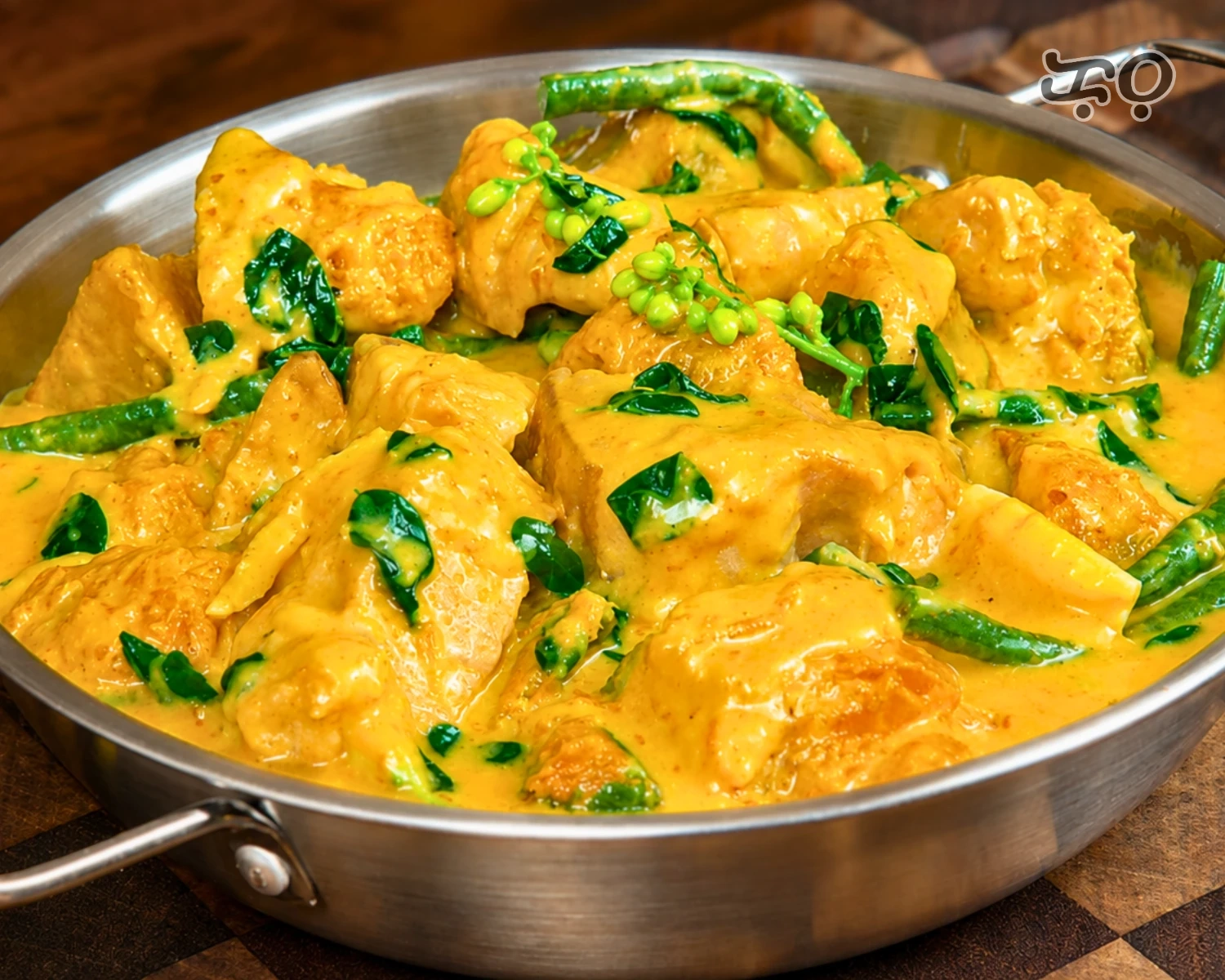
Ginataang Kalabasa at Sitaw
Watch the full recipe

See every step.

Play the complete Kubo Cooks video directly on this page.

Player not loading? Watch on YouTube ↗

Discover the dish

About Ginataang Kalabasa at Sitaw

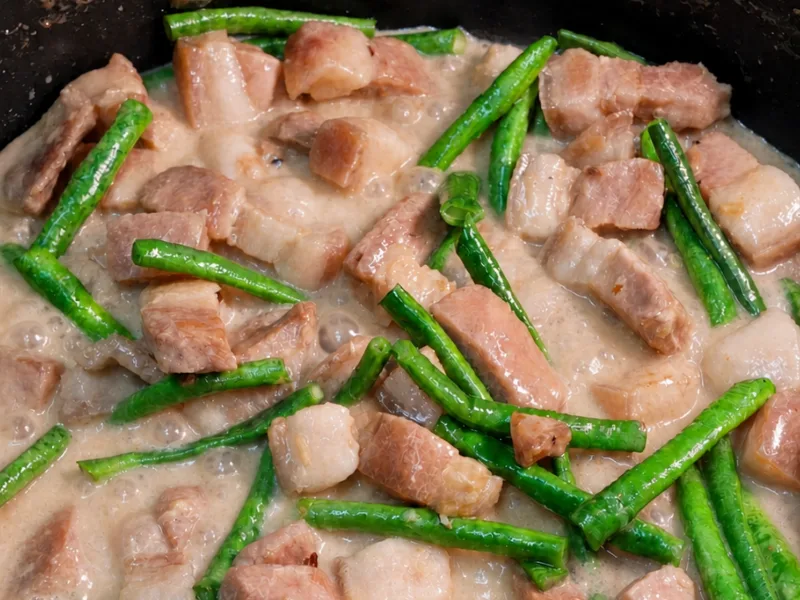
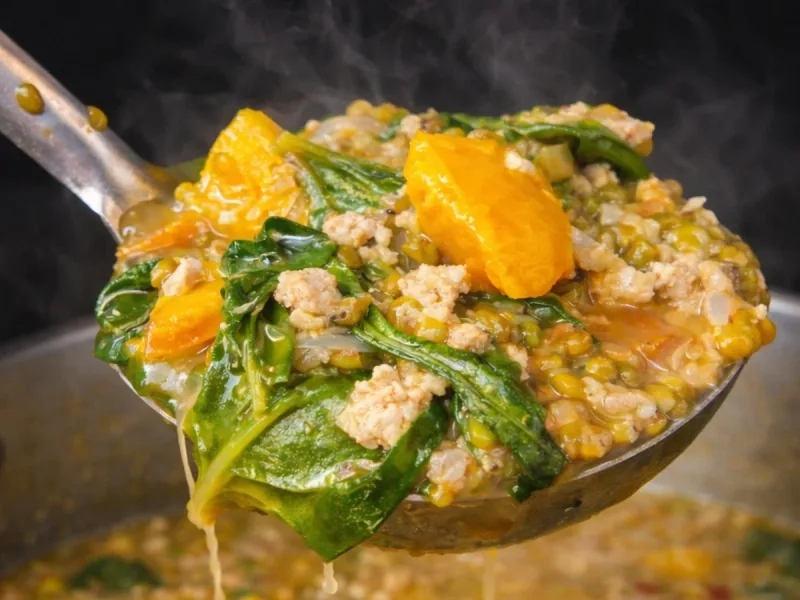
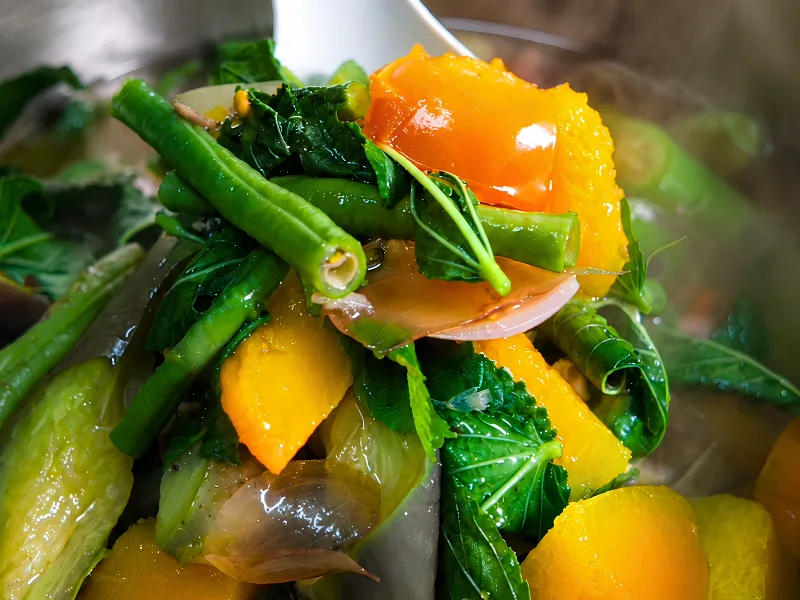
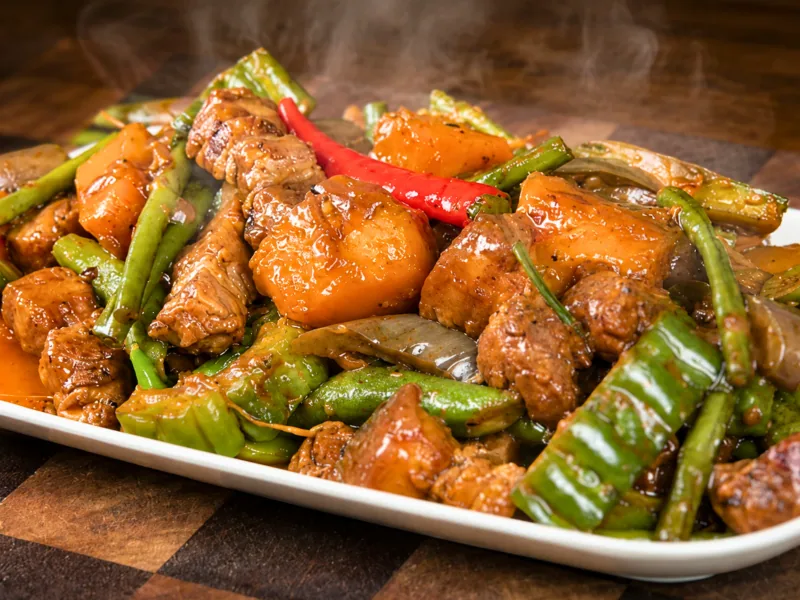
Ginataang kalabasa at sitaw is a savory Filipino vegetable dish made with squash and long beans cooked in coconut milk. The kalabasa gives the sauce its golden color and natural sweetness, while the sitaw adds a firmer texture.

Here in Iloilo, this style of coconut-milk squash dish may be called linutik, lutik, nilatik, or simply latik. In this context, latik refers to the dish itself, not the browned coconut curds that are also called latik in other parts of the Philippines.

The Ilonggo version commonly centers on kalabasa and does not usually include sitaw. This is my own variation, combining the squash with sitaw, pork, hibe, bagoong, and malunggay for a heartier dish with more texture.

I use both gata and kakang gata so the pork can simmer in a lighter coconut broth before the richer coconut cream goes in near the end.

The finishing touch comes from a family trick: lightly crushed garlic cloves are added with their skins still on during the final stage of cooking. This gives the sauce a fresher and deeper garlic aroma.

The Kubo Cooks method

Why This Recipe Works

Sautéing the onion, minced garlic, ginger, and bagoong creates a savory aromatic base before any liquid enters the pan. The pork then cooks with these ingredients and begins releasing its own fat and flavor.

Water and gata provide enough liquid for the pork to simmer until tender. The hibe reinforces the seafood flavor of the bagoong and gives the coconut sauce more depth.

The vegetables are added according to how long they need to cook. Kalabasa goes in first because it needs more time to soften. Sitaw follows later so it can become tender without losing all its bite.

Kakang gata is added toward the end to keep the sauce rich and creamy. Mashing a few softened pieces of kalabasa thickens the sauce naturally without flour or cornstarch.

The crushed skin-on garlic gives the finished dish a fresher garlic aroma, while the malunggay cooks gently in the residual heat instead of becoming overly soft.

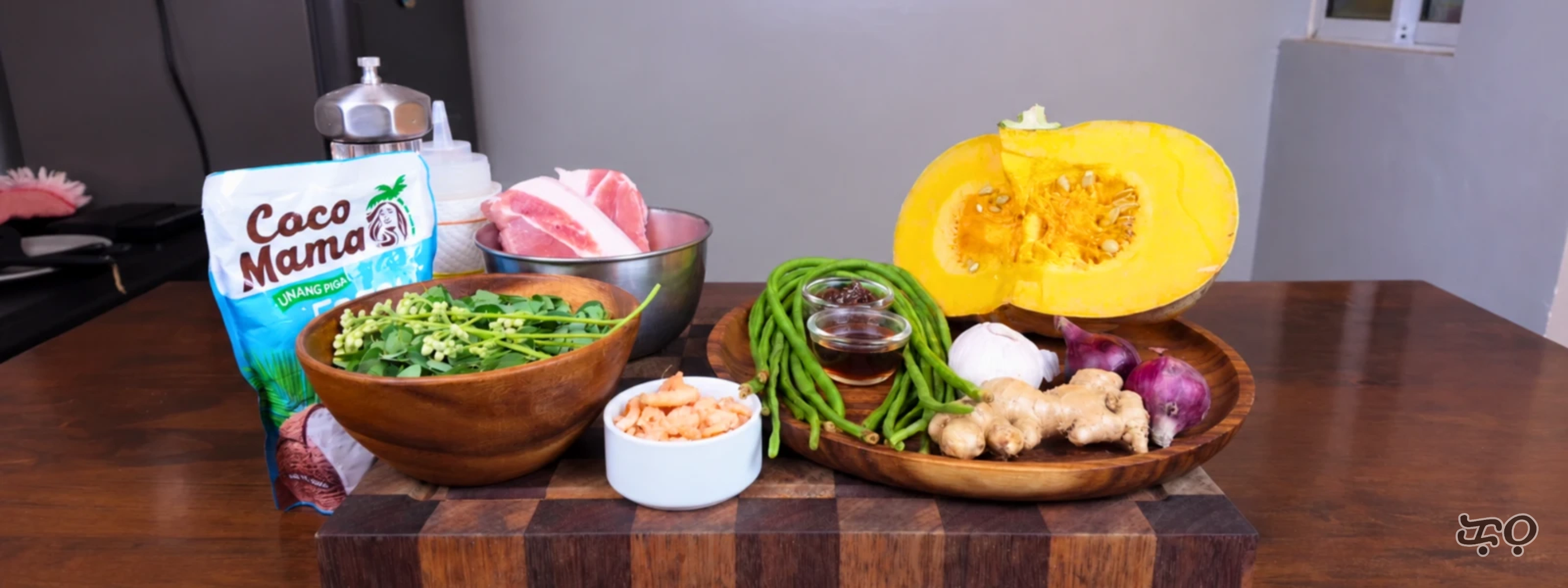
Ingredients for Ginataang Kalabasa at Sitaw
What to know

Ingredient Notes

Kalabasa
Use a firm, mature squash with deep orange flesh. Cut it into substantial, evenly sized pieces so most of it holds together while a few pieces soften into the sauce.
Coconut milk or gata
This is the thinner coconut extraction used for simmering the pork. It can cook longer without making the sauce too rich early in the process.
Coconut cream or kakang gata
Kakang gata is the thick first squeeze from freshly grated coconut. Add it toward the end to give the dish a richer finish.
Pork
A cut with some fat works especially well because the rendered fat adds flavor to the sauce. Cut it into small, evenly sized pieces so it becomes tender at roughly the same time.
Sitaw
Cut the beans into pieces about 2 inches long. Add them after the kalabasa so they retain some texture.
Malunggay
Separate the leaves from the tough stems. The leaves only need the residual heat from the finished dish to soften.
Garlic
Half is minced for the sautéed base. The remaining garlic is lightly crushed and added with the skin on near the end for a deeper aroma. Remove loose pieces of skin before serving.
Onion
Cook it until softened before adding the garlic and ginger.
Ginger
Adds warmth that balances the richness of the coconut sauce.
Dried shrimp or hibe
Adds concentrated seafood flavor. Check its saltiness before adding the final seasoning.
Bagoong
Provides the main savory base. Saltiness and sweetness vary, so taste the sauce before adding patis or salt.
Patis, salt, and black pepper
Make the final adjustment only after the sauce has reduced. The bagoong and hibe may already provide enough saltiness.
Sugar
Optional. Use only a small amount if the sauce needs help balancing the salty and savory flavors.
Cooking oil
Only a little is needed because the pork will release some fat as it cooks.
Make it your own

Substitutions

Kalabasa
Kabocha or another firm, sweet cooking squash works well. Softer varieties may need less cooking time.
Sitaw
Green beans can be used. Check them earlier because their cooking time may differ.
Malunggay
Use spinach, alugbati, or tender pechay leaves. Add them close to the end and cook only until wilted.
Pork
Boneless chicken thighs can be used for a lighter version. They will usually need less simmering time than pork.
Meat-free option
Leave out the pork and increase the vegetables. Firm tofu can also be added after being lightly browned.
Hibe
Leave it out or use fresh shrimp. Add fresh shrimp later so it cooks through without becoming tough.
Fresh gata and kakang gata
Unsweetened canned coconut milk and coconut cream can be used. Check the labels carefully because some canned products are already very thick.
Bagoong
Ginamos or bagoong alamang may be used depending on what is available. Add gradually because their saltiness can differ considerably.
Patis
Omit it if the bagoong and hibe already give the sauce enough flavor.
Ginataang Kalabasa at Sitaw process photo 1
Ginataang Kalabasa at Sitaw process photo 2
Ginataang Kalabasa at Sitaw process photo 3
Gallery photos 1–3 of 6
From my kitchen

Kubo Cooking Notes

Use the two coconut additions differently

The gata has a different job from the kakang gata. The thinner gata provides the liquid needed to tenderize the pork, while the thicker kakang gata gives the finished sauce its richness.

Adding all the coconut cream at the beginning can make the sauce excessively rich before the pork becomes tender. It also requires more attention to prevent the thick coconut mixture from catching on the bottom of the pan.

Let the kalabasa thicken the sauce

A few pieces of softened kalabasa are intentionally mashed into the cooking liquid. This gives the sauce more body while keeping the flavor entirely connected to the main vegetable.

Mash only two to four pieces. Breaking down too much squash can turn the dish into a thick purée and remove the contrast between the creamy sauce and the intact vegetables.

Keep the vegetables distinct

The kalabasa should be tender, but most pieces should still hold their shape. The sitaw should be cooked through while retaining a little bite.

Cut size matters as much as the listed cooking time. Check the vegetables themselves instead of relying entirely on the clock, and stir gently once the kalabasa begins to soften.

The skin-on garlic is a finishing aroma

Minced garlic cooked at the beginning gives the sauce a mellow garlic foundation. The lightly crushed cloves added later produce a fresher aroma.

Keeping the clean skin on the finishing garlic gives it a deeper fragrance and helps distinguish it from the minced garlic already in the sauce. Remove any loose skin before serving.

Season only after the sauce reduces

Bagoong, hibe, patis, and salt can all contribute saltiness. The coconut sauce also becomes more concentrated as it reduces.

Taste the sauce with a piece of kalabasa or pork before making the final adjustment. Add the patis and salt gradually rather than automatically using more of both.

Let the malunggay finish gently

Malunggay leaves do not need prolonged boiling. Stir them in after turning off the heat and allow the remaining heat in the sauce to soften them.

This keeps the leaves greener and prevents them from disappearing into the sauce.

Plan ahead

Make-Ahead, Storage, and Reheating

Make ahead: The pork can be cut ahead and kept refrigerated in a covered container. The kalabasa and sitaw can also be prepared ahead and refrigerated separately. Malunggay leaves may be removed from their stems, washed, drained thoroughly, and refrigerated in a covered container. For the best texture, cook the vegetables and finish the coconut sauce close to serving.

Store leftovers: Transfer leftovers to shallow covered containers and refrigerate once cool enough to handle. Consume within 3–4 days, although the vegetables will have a better texture when eaten sooner.

Freeze: Allow the completed dish to cool, then transfer it to a freezer-safe covered container with a little room for expansion. Consume within 2–3 months for the best quality. Thaw overnight in the refrigerator and reheat gently. The kalabasa and sitaw will become softer after freezing, and the coconut sauce may initially look separated. Stir carefully as it warms so the kalabasa does not completely break apart.

Reheat: Reheat only the amount you need over gentle heat, stirring carefully so the kalabasa does not completely break apart. Add a small splash of water or gata if the sauce becomes too thick. Avoid prolonged boiling because the coconut sauce can separate and the vegetables will continue softening.

Bring it to the table

Serving Suggestions

  • Serve with plenty of hot steamed rice.
  • Pair with fried or grilled fish for a salty contrast to the creamy coconut sauce.
  • Serve with daing or another crisp, savory side dish.
  • Add fresh or sautéed chilies for anyone who prefers some heat.
  • Enjoy while the kalabasa is tender and the sitaw still has a little bite.

Ingredients

  • 1.5 kg calabaza squash
  • 200 ml coconut milk or gata
  • 400 ml coconut cream or kakang gata
  • 350 g pork
  • 130 g sitaw or snake beans
  • 20 g malunggay
  • 25 g garlic
  • 65 g onion
  • 10 g ginger
  • 50 g dried shrimp or hibe
  • 1½ Tbsp bagoong
  • 1 Tbsp fish sauce or patis
  • 1 tsp salt
  • ½ tsp black pepper
  • 1 tsp sugar (optional)
  • 1 Tbsp cooking oil
  • 250 ml water

How to Make It

  1. Slice the pork into small, evenly sized pieces.
  2. Remove the kalabasa seeds and skin, then cut the flesh into medium pieces.
  3. Trim the sitaw and cut it into roughly 2-inch lengths.
  4. Mince half of the garlic. Lightly crush the remaining cloves and leave their clean skins on for the finishing step.
  5. Slice the onion and ginger.
  6. Heat the cooking oil in a large pan over medium heat. Add the onion and cook until it begins to soften.
  7. Add the minced garlic and ginger, then sauté briefly until fragrant.
  8. Stir in the bagoong and cook briefly to release its aroma.
  9. Add the pork and cook until it changes color and begins releasing some fat.
  10. Add the dried shrimp and mix it into the pork and aromatics.
  11. Pour in the water and coconut milk. Cover and simmer over medium-low heat for 25–35 minutes, or until the pork begins to become tender.
  12. Add the kalabasa and gently coat it with the sauce. Continue simmering for 8–10 minutes, or until it begins to soften.
  13. Add the sitaw and cook for another 3–5 minutes.
  14. Pour in the coconut cream and stir gently.
  15. Mash two to four softened pieces of kalabasa into the sauce to thicken it naturally.
  16. Add the crushed skin-on garlic and simmer for a few more minutes to release its aroma.
  17. Turn off the heat. Add the malunggay and gently mix it into the sauce.
  18. Season with black pepper. Taste before gradually adding the patis and salt.
  19. Add the optional sugar only if the flavors need balancing.
  20. Rest for about 1 minute before serving with hot rice.
Kubo Tips
  • Add the crushed garlic with the skin still on near the end of cooking for a fresher, more aromatic finish.
  • Save the coconut cream for the final stage of cooking to keep the sauce rich and creamy.
  • Mash a few pieces of softened kalabasa into the sauce for natural thickness.
  • To reduce the need for extra oil, cook the pork first and use the rendered fat to sauté the aromatics.
  • Add the malunggay after turning off the heat so the leaves stay fresh and green.