Pininyahang Manok
Watch the full recipe

See every step.

Play the complete Kubo Cooks video directly on this page.

Player not loading? Watch on YouTube ↗

Discover the dish

About Pininyahang Manok

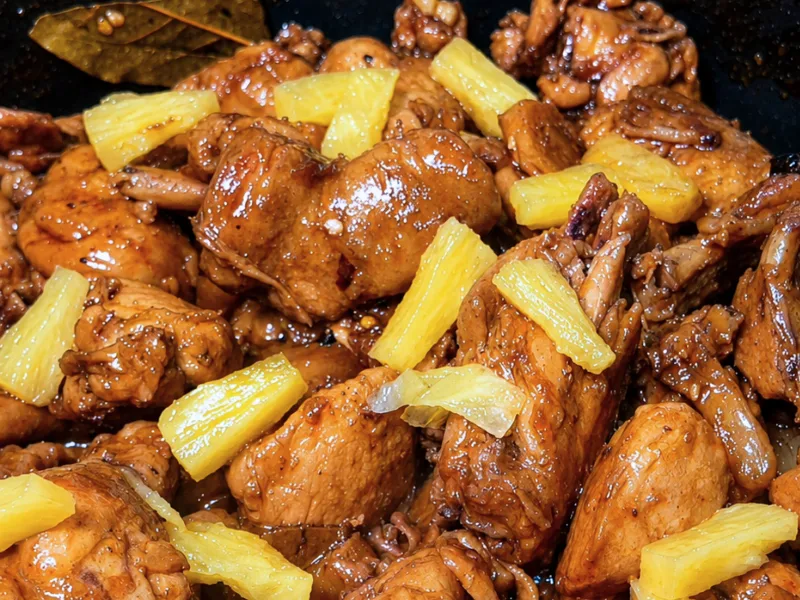
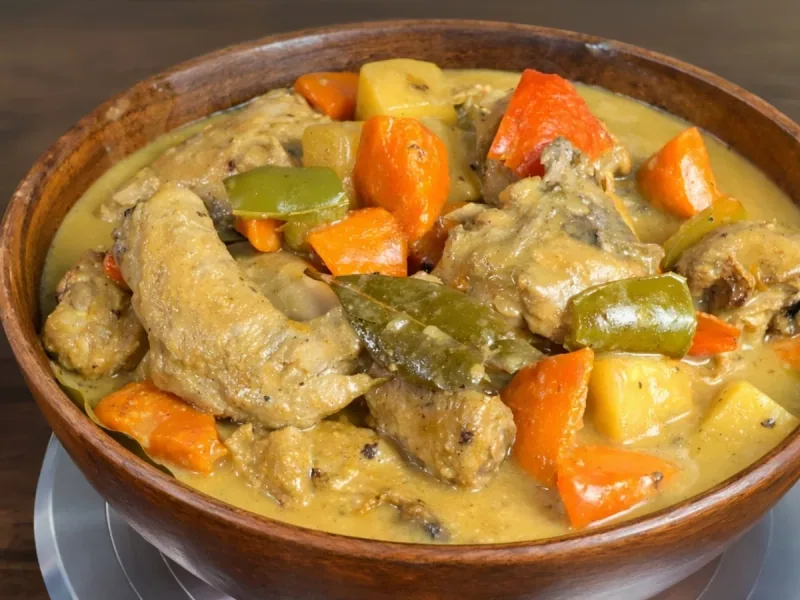
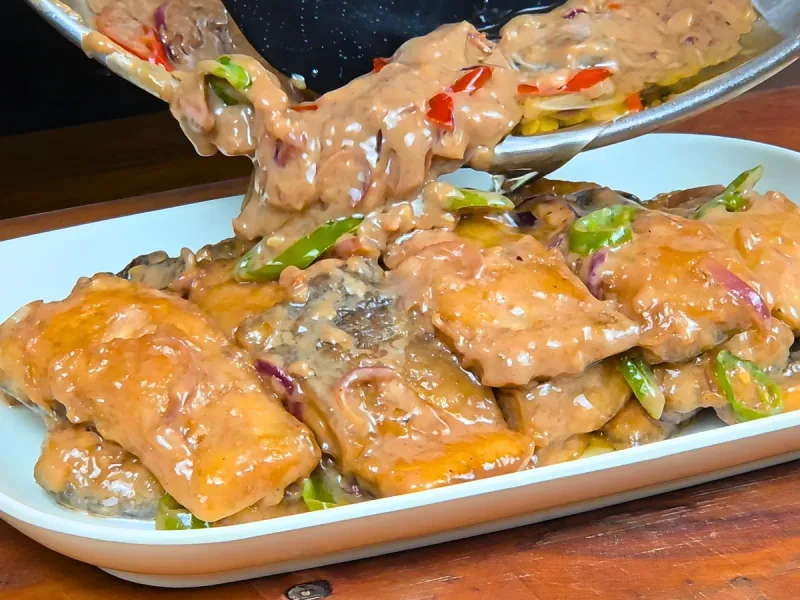
Pininyahang Manok is a Filipino chicken stew with pineapple, vegetables, and a creamy sauce. Some versions use evaporated milk, while this recipe uses coconut milk or coconut cream for a richer finish.

The chicken is first marinated in the reserved pineapple syrup so the sweet-tart flavor reaches beyond the sauce. Carrots and potatoes make the dish more filling, while bell peppers add color and a fresh finish.

Fish sauce, black pepper, and an optional chicken bouillon cube keep the sauce savory enough to balance the pineapple. Adding the fruit at two different stages lets some of it soften into the sauce while the remaining pieces keep more of their shape and texture.

The Kubo Cooks method

Why This Recipe Works

The reserved pineapple syrup carries sweetness and pineapple flavor into both the chicken and the sauce. Because canned pineapple has already been heated during processing, the syrup is mainly used here for flavor rather than as a strong meat tenderizer.

Lightly frying the carrots and potatoes before simmering helps them hold their shape. Draining the chicken before searing also gives its surface a better chance to brown instead of steaming in the syrup.

The fish sauce and optional chicken bouillon cube add savory depth, balancing the fruit and creamy coconut base. Keeping the sauce at a gentle simmer prevents the coconut milk from becoming overly oily or separating too quickly.

Adding half of the pineapple earlier allows it to soften and blend into the sauce. The remaining half goes in near the end, giving the finished dish firmer pieces and a fresher pineapple flavor. Bell peppers are added after the heat is turned off so they soften slightly while staying colorful.

Ingredients for Pininyahang Manok
What to know

Ingredient Notes

Chicken
Bone-in pieces give the sauce more flavor and stay juicy during simmering. Use pieces of a similar size so they finish cooking at roughly the same time.
Canned pineapple chunks or tidbits
Drain the fruit and reserve the syrup for the marinade and sauce. Add half earlier so it softens into the sauce, then add the rest near the end for firmer pieces.
Coconut cream or coconut milk
Coconut cream produces a richer, thicker sauce. Coconut milk gives the dish a lighter consistency and may need a little more simmering to reduce.
Carrot
Cut it into even chunks and fry it briefly before simmering so it holds its shape better.
Potatoes
Use evenly sized chunks so they cook at the same rate. Keep the cut pieces in water until needed to prevent browning, then drain them thoroughly before frying.
Bell peppers
Add them after turning off the heat so the residual heat softens them without removing all their crunch and color.
Garlic and onion
These form the aromatic base of the sauce. Soften the onion before allowing the garlic to become fragrant.
Fish sauce
Adds saltiness and savory depth. Begin with the listed amount, then make the final adjustment after the sauce has reduced.
Salt and black pepper
Use these for the final seasoning. Taste first because the fish sauce and bouillon cube also contribute saltiness.
Chicken bouillon cube
Optional, but useful for strengthening the chicken flavor in the sauce. Taste before adding more salt.
Cooking oil
Used for frying the vegetables and searing the chicken. Add a little more only if the pan becomes dry.
Make it your own

Substitutions

Chicken
Boneless chicken thighs work well and cook a little faster. Chicken breast can also be used, but avoid simmering it longer than necessary so it does not become dry.
Canned pineapple
Fresh pineapple may be used, but its active enzymes can affect the chicken's texture during a long marinade. Keep the marinating time brief, or use a little separate pineapple juice or syrup for the marinade and add the fresh fruit while cooking.
Coconut milk or coconut cream
Evaporated milk can be used for a different creamy finish. Add it toward the end and keep the heat gentle to reduce the chance of curdling.
Carrot
Add extra potatoes or leave the carrot out.
Potatoes
Use sweet potato for a sweeter variation, or omit the potatoes and add more carrots.
Bell peppers
Use any color available, combine different colors, or leave them out.
Fish sauce
Season with salt or a small amount of soy sauce instead. Add it gradually because the flavor and saltiness will be different.
Chicken bouillon cube
Leave it out or replace part of the liquid with unsalted chicken broth. Adjust the salt only after the sauce has reduced.
Pininyahang Manok process photo 1
Pininyahang Manok process photo 2
Pininyahang Manok process photo 3
Gallery photos 1–3 of 6
From my kitchen

Kubo Cooking Notes

The canned pineapple syrup is mainly for flavor

Canned pineapple has already been heated during processing, which greatly reduces the activity of the natural enzymes associated with fresh pineapple.

Use the reserved syrup here to carry pineapple flavor into the chicken and sauce rather than relying on it as a strong tenderizer.

Drain the chicken before searing

Let the excess syrup drip from the chicken before it goes into the hot pan. A wet surface cools the pan and makes the chicken more likely to steam.

Keep the reserved marinade because it will be cooked thoroughly as part of the sauce.

Brown the vegetables without cooking them through

The carrots and potatoes only need light color during the initial frying. They will finish cooking later in the sauce.

If they become completely tender during frying, they may break apart while the chicken simmers.

Give the chicken room in the pan

Sear the chicken in batches when necessary. Crowding releases too much moisture at once and makes browning difficult.

Allow each piece enough contact with the hot pan before turning it.

Keep the coconut sauce gentle

Once the coconut milk or cream is added, maintain a gentle simmer rather than a hard boil. High heat can make the sauce separate and become oily.

Stir occasionally and scrape the bottom gently to prevent sticking.

Add the pineapple in two stages

Add half with the coconut milk so it has time to soften and release more flavor into the sauce.

Add the remaining half near the end when you want distinct pieces with a firmer texture. You can adjust this split depending on whether you prefer a smoother or chunkier sauce.

Let residual heat soften the bell peppers

Bell peppers lose their bright color and crispness when simmered for too long. Stir them in after turning off the heat and let the hot sauce soften them slightly.

Cook them briefly before turning off the heat only when you prefer a softer texture.

Make the final seasoning adjustment last

The sauce becomes saltier as it reduces, and the fish sauce and bouillon cube already contribute seasoning.

Taste after the chicken and vegetables are fully cooked, then add only as much salt, fish sauce, or pepper as needed.

Plan ahead

Make-Ahead, Storage, and Reheating

Make ahead: The chicken and coconut sauce can be cooked ahead with the carrots and potatoes. For better texture, reserve the pineapple meant for the final addition and the bell peppers until reheating. Cool the cooked dish and refrigerate it in a covered container.

Store leftovers: Transfer the leftovers to a covered container and refrigerate once cool enough to handle. Consume within 3–4 days.

Freeze: The completed dish can be frozen, although the potatoes and carrots may become softer and the coconut sauce may look slightly separated after thawing. Cool it completely, transfer it to a freezer-safe covered container, and consume within 2–3 months for the best quality. Thaw overnight in the refrigerator before reheating.

Reheat: Reheat gently in a covered pan over low to medium heat, stirring occasionally, until thoroughly hot. Add a small splash of water or coconut milk if the sauce has become too thick. Stir carefully so the tender vegetables do not break apart. Add fresh bell peppers near the end if they were reserved during make-ahead preparation.

Bring it to the table

Serving Suggestions

  • Serve hot with steamed rice.
  • Spoon the creamy pineapple sauce generously over the rice.
  • Pair it with atchara or another tangy vegetable side to balance the rich sauce.
  • Serve with steamed or blanched vegetables for a lighter accompaniment.
  • Offer sliced chilies on the side for anyone who prefers some heat.
  • Pair it with a simple vegetable dish when serving it as part of a larger meal.

Ingredients

  • 1 kg chicken
  • 400 g canned pineapple chunks or tidbits, syrup reserved
  • 225 ml coconut cream or coconut milk
  • 1 medium carrot
  • 2 medium potatoes
  • 2 medium bell peppers
  • 4–5 cloves garlic
  • 1 medium onion
  • 1½ tsp salt, or to taste
  • 1½ Tbsp fish sauce, or to taste
  • 1 tsp black pepper, or to taste
  • 1 chicken bouillon cube
  • 1 Tbsp cooking oil

How to Make It

Preparing the Ingredients

  1. Drain the pineapple chunks or tidbits and reserve the syrup. Marinate the chicken in the syrup for at least 30 minutes.
  2. Peel and cut the carrots and potatoes into evenly sized chunks. Keep them in water until ready to cook.
  3. Slice the onion, roughly chop the garlic, and cut the bell peppers into even strips.

Cooking the Pininyahang Manok

  1. Heat the cooking oil in a large pan over medium heat. Fry the carrots and potatoes until lightly browned, then remove and set aside.
  2. In the same pan, sauté the onion and garlic until fragrant and softened.
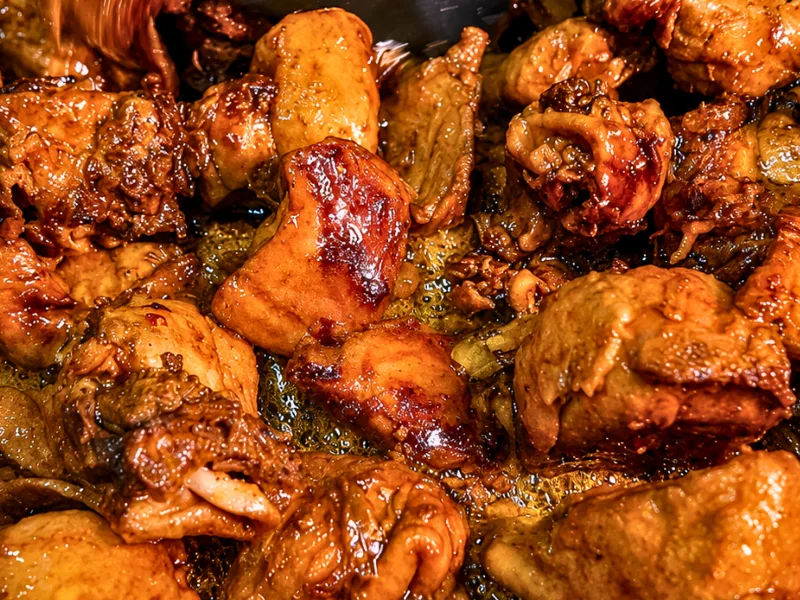
  3. Remove the chicken from the marinade, reserving the liquid. Let the excess syrup drip off, then sear the chicken in batches until lightly browned on both sides.
  4. Season with fish sauce and add the chicken bouillon cube, if using.
  5. Pour in the reserved marinade, then season with black pepper and salt as needed.
  6. Add the coconut milk and half of the pineapple. Bring to a gentle simmer for 8 to 10 minutes so the pineapple can soften into the sauce.
  7. Return the carrots and potatoes to the pan and simmer for another 10 to 12 minutes, or until the chicken is cooked through and the vegetables are tender.
  8. Add the remaining pineapple and simmer for 2 to 5 minutes, depending on how firm you prefer the pieces.
  9. Turn off the heat, then add the bell peppers and gently mix. Let the residual heat soften them slightly.
  10. Taste and adjust the seasoning as needed.
  11. Serve with hot rice and enjoy!
Kubo Tips
  • Marinate the chicken in the reserved pineapple syrup for at least 30 minutes so it absorbs the pineapple flavor. Let the excess syrup drip off before searing.
  • Fry the carrots and potatoes first so they hold their shape better in the sauce.
  • Add half of the pineapple earlier so it softens into the sauce, then add the rest near the end for firmer pieces.
  • Add the bell peppers after turning off the heat so they stay bright and slightly crisp.
  • Use coconut cream instead of coconut milk for a richer and thicker sauce.