Lechon Paksiw
Watch the full recipe

See every step.

Play the complete Kubo Cooks video directly on this page.

Player not loading? Watch on YouTube ↗

Discover the dish

About Lechon Paksiw

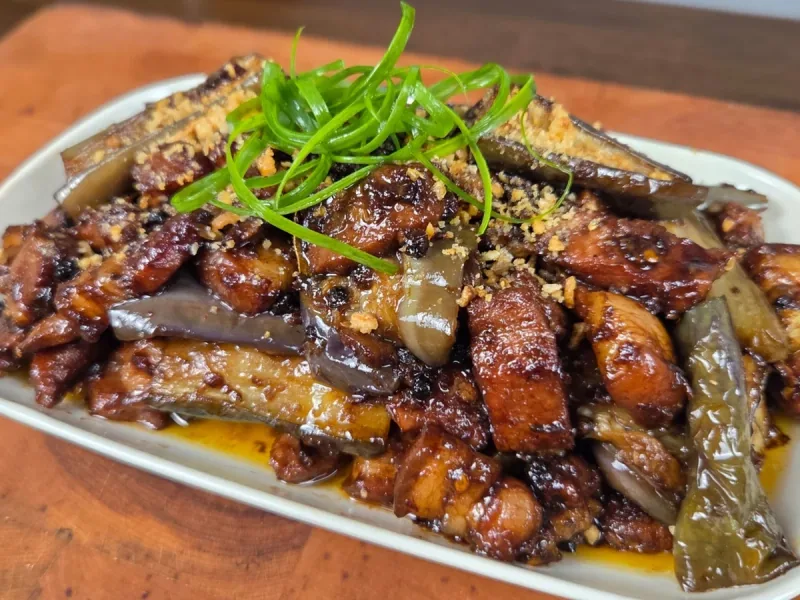
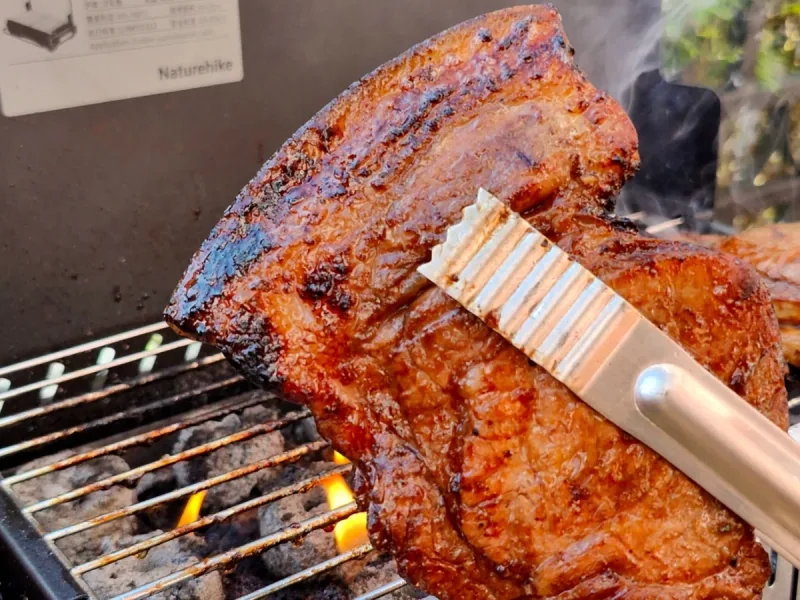
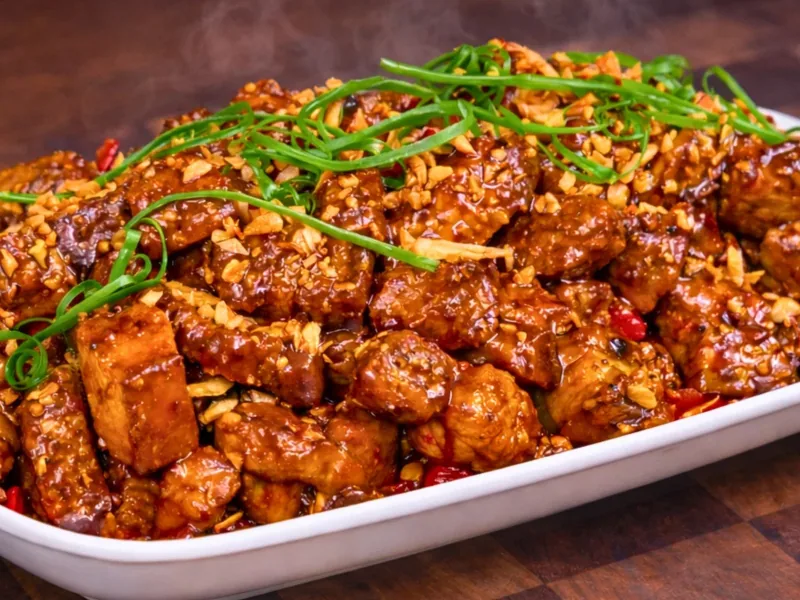
Lechon paksiw is a Filipino dish made by simmering leftover roasted pork in vinegar, aromatics, and a sweet-savory sauce. It is a practical way to turn lechon from a celebration into another complete meal.

Different regions and households prepare the dish differently. Versions commonly found in Luzon often include lechon sauce or liver sauce, while many Visayan preparations rely more heavily on the flavor already present in the roasted pork.

This version uses lechon sauce, vinegar, soy sauce, and brown sugar. The mixture softens the meat and skin while transforming the leftovers into a rich stew with a balance of sweetness, acidity, and savory flavor.

The Kubo Cooks method

Why This Recipe Works

Lechon already brings roasted pork flavor, seasoning, and rendered fat to the dish. Using a combination of meat, skin, and bony pieces gives the sauce more body and creates a better mix of textures.

Sautéing the garlic and onion first builds a fresh aromatic base before the cooked pork is added.

Vinegar cuts through the richness of the pork and lechon sauce. Allowing it to boil briefly before thoroughly stirring softens its sharp aroma while preserving enough acidity to keep the sauce balanced.

Lechon sauce adds sweetness, seasoning, and thickness. Brown sugar deepens the sweetness, while soy sauce strengthens the savory flavor. Because bottled sauces differ, the final balance should be adjusted only after the stew has simmered.

Slow simmering gives the pork time to absorb the sauce and allows tougher or drier pieces of leftover lechon to become tender again.

Removing the lid near the end lets excess water evaporate. This concentrates the flavors and gives you control over whether the final sauce remains loose or becomes thick and glossy.

What to know

Ingredient Notes

Leftover lechon
Use a mixture of meat, skin, fat, and bony pieces. The meat provides substance, the skin softens into the sauce, and the bones contribute additional flavor.
Cooking oil
Only a small amount is needed to sauté the aromatics. If the lechon is particularly fatty, use less oil.
Garlic and onion
Create a fresh aromatic base that keeps the reheated pork from tasting like plain leftovers.
Dried bay leaves
Add a warm herbal aroma during simmering. Remove them before serving.
Whole black peppercorns
Provide gentle peppery heat throughout the sauce. Lightly crack some of them if you want a stronger pepper flavor.
Vinegar
Gives the dish its characteristic tang and balances the richness of the pork. Cane or coconut vinegar both work well.
Water
Loosens the lechon sauce and gives the pork enough liquid to simmer until tender. Add more only if the sauce reduces too quickly.
Lechon sauce
Provides sweetness, seasoning, and body. Different brands vary considerably, so taste the sauce before making the final sugar and salt adjustments.
Brown sugar
Rounds out the vinegar and deepens the sauce. The amount can be reduced when using a particularly sweet lechon sauce.
Soy sauce
Adds saltiness, color, and savory depth. Add extra salt only after tasting the reduced sauce.
Salt and ground black pepper
Use for the final adjustment. The lechon, lechon sauce, and soy sauce may already provide enough salt.
Make it your own

Substitutions

Leftover lechon
Use leftover lechon kawali, roasted pork belly, or crispy pata. Remove any unusually hard or dry pieces before cooking.
Cooking oil
Use another neutral cooking oil. Render a small amount of fat from the lechon and use it to sauté the aromatics if you prefer not to add oil.
Vinegar
Cane vinegar, coconut vinegar, or white vinegar can be used. Their acidity differs, so adjust the final balance after simmering.
Lechon sauce
Use another bottled lechon or liver sauce. The sweetness and thickness may vary, so begin with less sugar and water and adjust as needed.
Brown sugar
Use washed sugar, muscovado, or white sugar. Darker sugars will give the sauce a deeper flavor and color.
Soy sauce
Use light or reduced-sodium soy sauce for better control over the saltiness.
Whole black peppercorns
Use coarsely ground black pepper, adding it gradually to taste.
Lechon Paksiw process photo 1
Lechon Paksiw process photo 2
Lechon Paksiw process photo 3
Gallery photos 1–3 of 6
From my kitchen

Kubo Cooking Notes

Use different parts of the lechon

A pot made entirely from lean meat can become dry, while one made mostly from skin and fat may feel too rich.

Using a combination of meat, skin, bones, and a little fat produces better flavor and texture.

Adjust the added oil

Some lechon releases plenty of fat as it reheats. If your pieces are fatty, begin with less cooking oil or render one piece of fat before sautéing the garlic and onion.

If a large amount of oil rises to the surface during simmering, carefully skim off some of it before reducing the sauce.

Give the vinegar time

After adding the vinegar, bring the liquid to a boil and allow it to cook briefly before thoroughly stirring everything together.

This helps soften the sharp vinegar aroma. Keep the pot uncovered during this initial stage.

Taste the lechon sauce first

Some bottled lechon sauces are already very sweet and strongly seasoned. Taste yours before adding the entire amount of brown sugar and soy sauce.

It is easier to add more seasoning later than to correct a sauce that has become excessively sweet or salty.

Add water according to the pork

Dry, meaty pieces may need more water and a longer simmer. Fatty pieces with plenty of skin may release enough moisture and require less.

Add water gradually if the sauce becomes too thick before the pork is tender.

Control the final consistency

The sauce will continue thickening as it cools. Stop reducing it while it is slightly looser than your ideal serving consistency.

If it becomes too thick, stir in a small amount of hot water and simmer briefly.

Let the flavor develop

Lechon paksiw often tastes even better after resting because the pork has more time to absorb the sauce.

If preparing it ahead, keep the sauce slightly loose so it does not become too thick during cooling and reheating.

Plan ahead

Make-Ahead, Storage, and Reheating

Plan ahead: Lechon paksiw can be fully cooked ahead of time. Allowing it to rest gives the pork more time to absorb the sweet, tangy sauce. Let it cool before transferring it to a covered container. Keep the sauce slightly loose if you plan to reheat it later.

Storage: Refrigerate the lechon paksiw in a covered container and consume within three to four days. Store it with enough sauce to keep the meat from drying out. The skin will soften during storage, which is expected in this dish.

Freezing: Lechon paksiw can be frozen for longer storage. Cool it completely, divide it into practical portions, and place it in freezer-safe covered containers. Consume within two to three months for the best quality. The pork will remain flavorful, although the skin may become softer after thawing. Thaw overnight in the refrigerator before reheating.

Reheating: Reheat the lechon paksiw gently in a covered pot over low to medium heat. Add a small amount of water if the sauce has become too thick. Stir occasionally so the sugar and lechon sauce do not catch on the bottom of the pot. Taste once heated before adding more vinegar, sugar, soy sauce, or salt.

Bring it to the table

Serving Suggestions

  • Serve hot with plenty of steamed rice.
  • Pair it with atchara to add acidity and crunch.
  • Serve with sliced tomatoes or a simple cucumber salad.
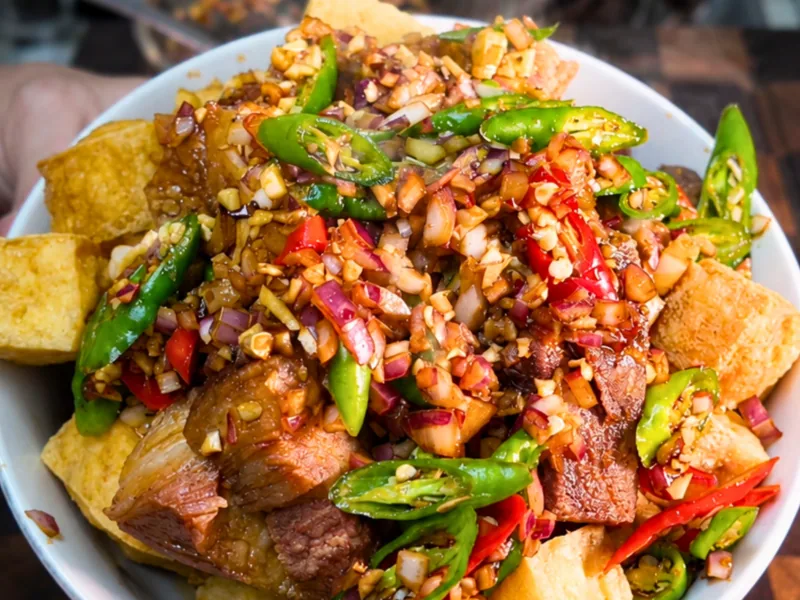
  • Add chopped chilies if you prefer a spicy sauce.
  • Use smaller leftover pieces as a filling for warm pandesal.
  • Serve it alongside lightly cooked vegetables to balance the rich pork.

Ingredients

  • 1 kg leftover lechon, cut into serving pieces
  • 1 Tbsp cooking oil
  • 6 cloves garlic, minced
  • 1 medium onion, chopped
  • 4 dried bay leaves
  • 1 tsp whole black peppercorns
  • ½ cup vinegar
  • 1½ cups water
  • 1 cup lechon sauce
  • ¼ cup brown sugar
  • 2 Tbsp soy sauce
  • Salt and ground black pepper, to taste

How to Make It

  1. Heat the cooking oil in a pot over medium heat.
  2. Add the garlic and onion, then sauté until softened and fragrant.
  3. Add the leftover lechon and cook for 2–3 minutes.
  4. Pour in the water and vinegar.
  5. Bring the liquid to a boil uncovered and allow the vinegar to cook for 2–3 minutes before thoroughly stirring.
  6. Add the lechon sauce, brown sugar, soy sauce, bay leaves, and whole black peppercorns.
  7. Stir until the sauce is evenly combined.
  8. Lower the heat, cover the pot, and simmer until the pork is tender and has absorbed some of the sauce.
  9. Check occasionally and add a little water if the sauce becomes too thick before the pork is tender.
  10. Remove the lid and continue simmering until the sauce reaches your preferred consistency.
  11. Taste and adjust with salt, ground black pepper, sugar, or vinegar as needed.
  12. Remove the bay leaves and serve hot with steamed rice.
Kubo Tips
  • Let the vinegar boil briefly before thoroughly stirring it into the dish.
  • Use a mixture of meat, skin, and bony pieces for better flavor and texture.
  • Add a little water if the sauce becomes too thick before the pork is tender.
  • Adjust the sugar and vinegar according to how sweet your lechon sauce already is.
  • Keep the heat controlled as the sauce thickens so it does not burn.
  • Let the finished dish rest so the pork can absorb more of the sauce.