Choose the pork according to the result you want
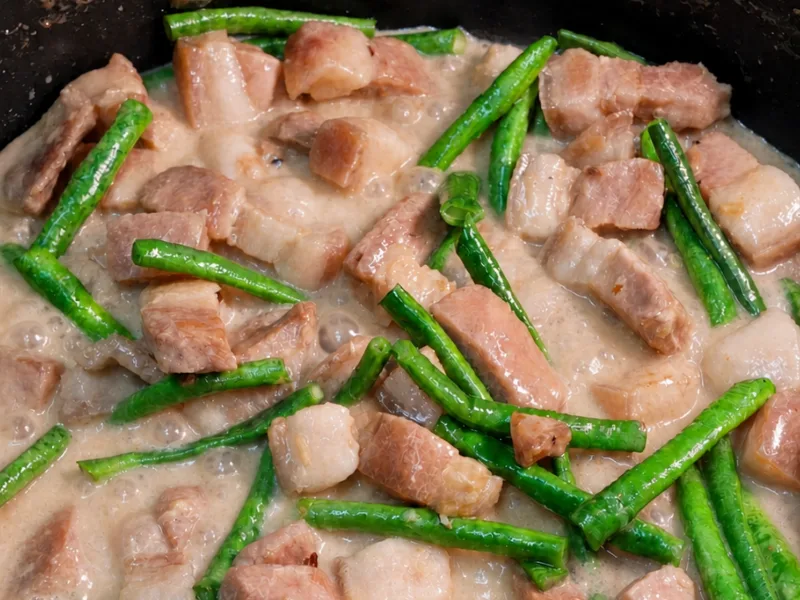
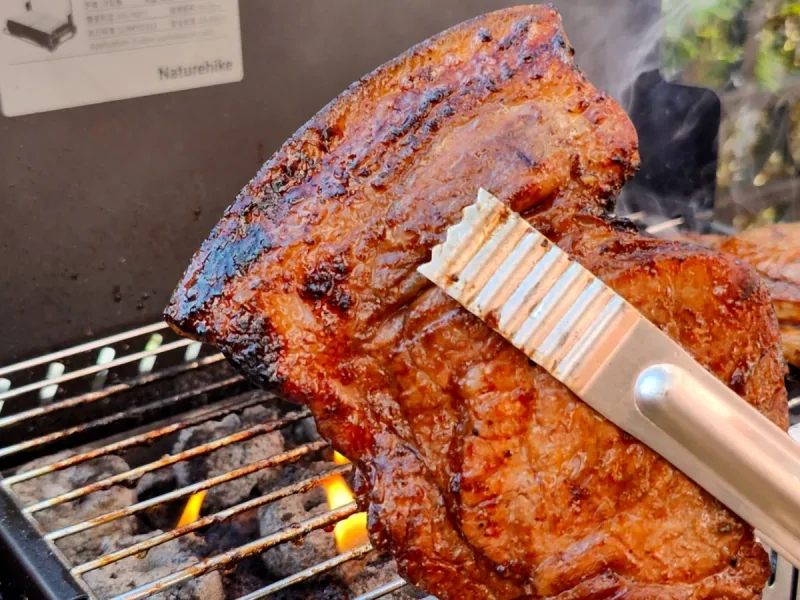
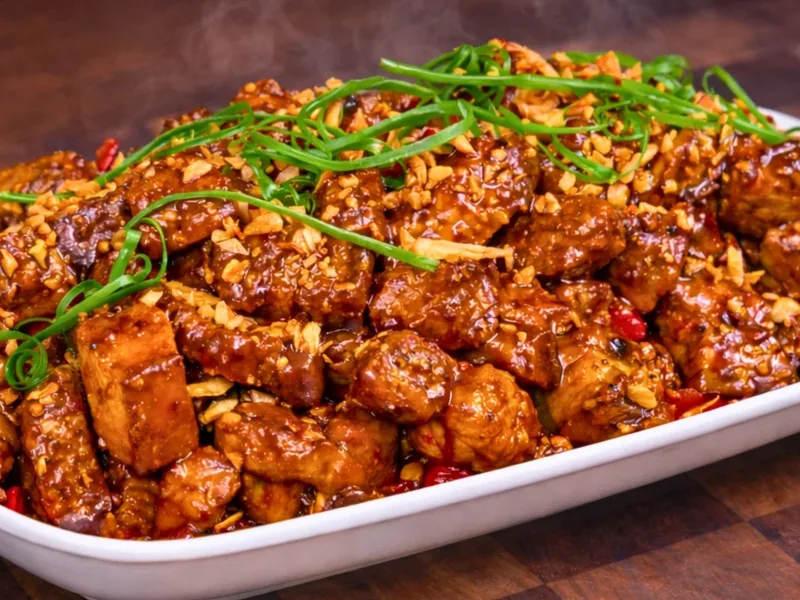
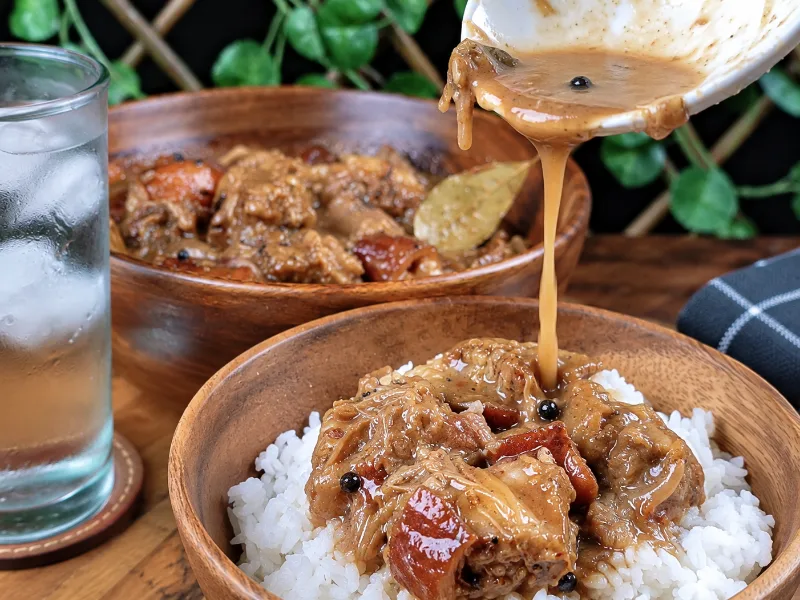
Pork belly creates the richest sauce because it releases a considerable amount of fat. Shoulder remains juicy while giving the dish a meatier balance.
Pork ham is leaner and can still work, but it may need additional cooking oil and careful simmering to keep it from becoming dry.
Render the pork before adding more oil
Begin heating the pork and observe how much fat it releases. Belly may provide all the oil needed for the recipe.
Add the listed cooking oil only when the pan remains dry or when using a leaner cut.
Sear the pork in batches
Give the pieces enough room to make direct contact with the hot pan. When the pan is crowded, the released moisture causes the pork to steam.
Brown the meat in batches and return everything to the pan after the aromatics and bagoong have been cooked.
Fry the eggplant separately
Eggplant absorbs oil quickly and becomes very soft during prolonged simmering.
Lightly browning it separately helps it maintain some structure. Remove it from the pan once tender, then fold it into the sauce near the end.
Remember that the bagoong is already cooked
Ginisang bagoong has already been sautéed and seasoned, so it does not need the same cooking time as raw bagoong alamang.
Cook it briefly with the aromatics to distribute its flavor. Keep the heat moderate because sweetened ginisang bagoong can stick and burn.
Judge the sauce by your bagoong
There is no single amount of seasoning that works for every brand or homemade batch. Some bagoong is heavily salted, while others contain considerably more sugar.
Taste the bagoong first, begin conservatively, and make the final adjustment only after the sauce has reduced.
Tenderize the pork before reducing aggressively
Keep enough liquid in the pan while the pork is still firm. Reducing the sauce too early may leave you with dry meat and a sauce that is already too concentrated.
Once the pork is tender, uncover the pan and let the sauce reduce to the consistency you prefer.
Add the vinegar near the end
Pour in the vinegar once the pork is tender and the sauce is nearly finished.
Allow it to simmer briefly before stirring so its sharper aroma can mellow, then mix it through the sauce and taste again.
Use salt only as a final adjustment
Bagoong, soy sauce, and oyster sauce all contribute saltiness. Their flavor also becomes stronger as the liquid reduces.
Taste the completed sauce before deciding whether any additional salt is necessary.
Fold the eggplant in gently
Return the fried eggplant only when the pork is tender and the sauce has reached its final consistency.
Use a wide spoon or spatula and fold carefully so the pieces become coated without turning into a mash.