Chicken Adobo sa Gata
Watch the full recipe

See every step.

Play the complete Kubo Cooks video directly on this page.

Player not loading? Watch on YouTube ↗

Discover the dish

About Chicken Adobo sa Gata

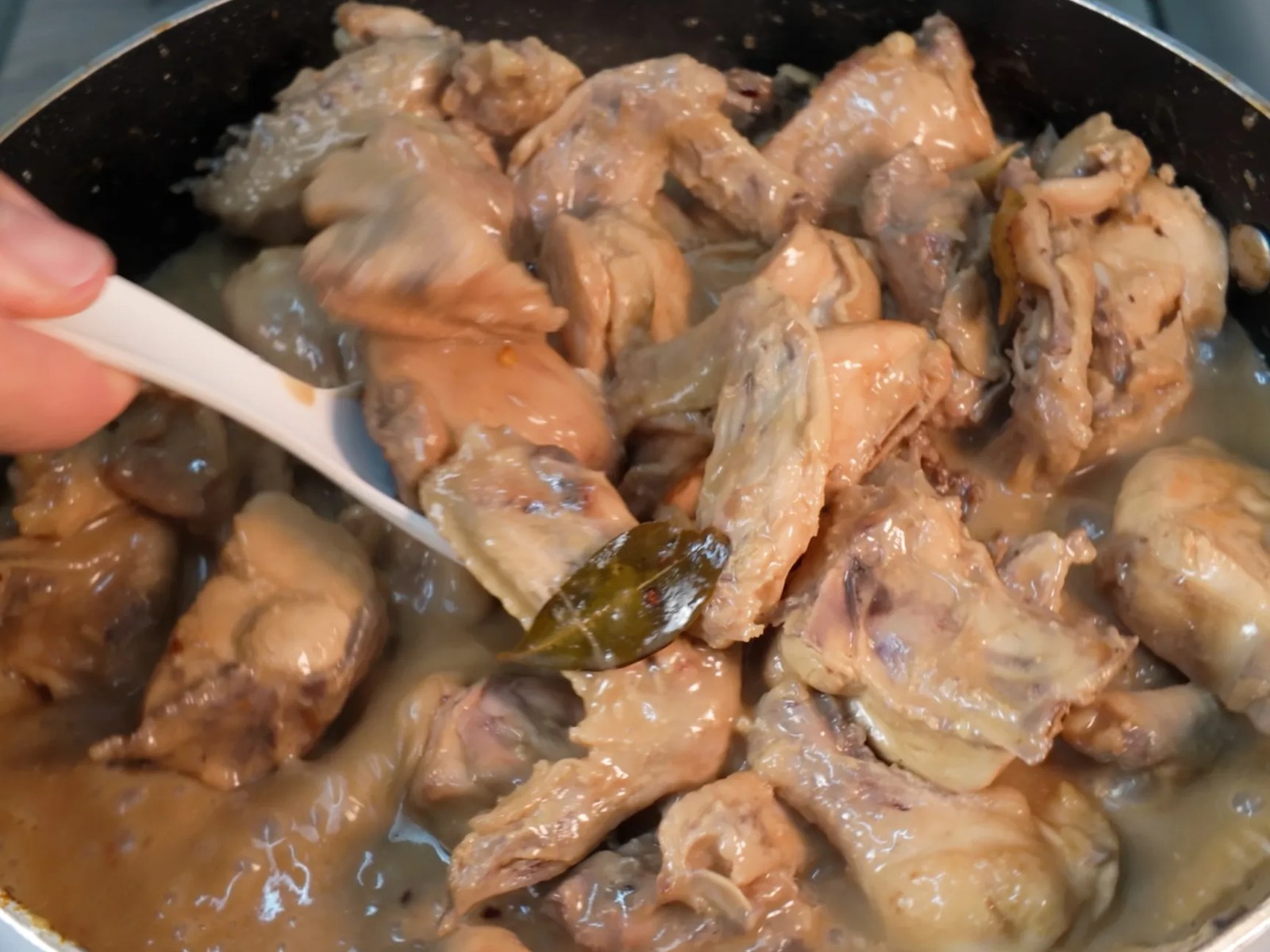
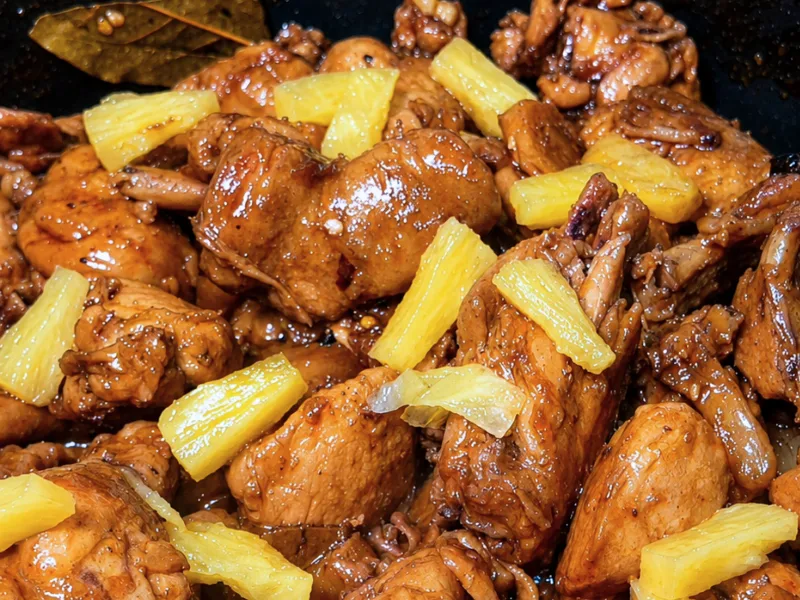
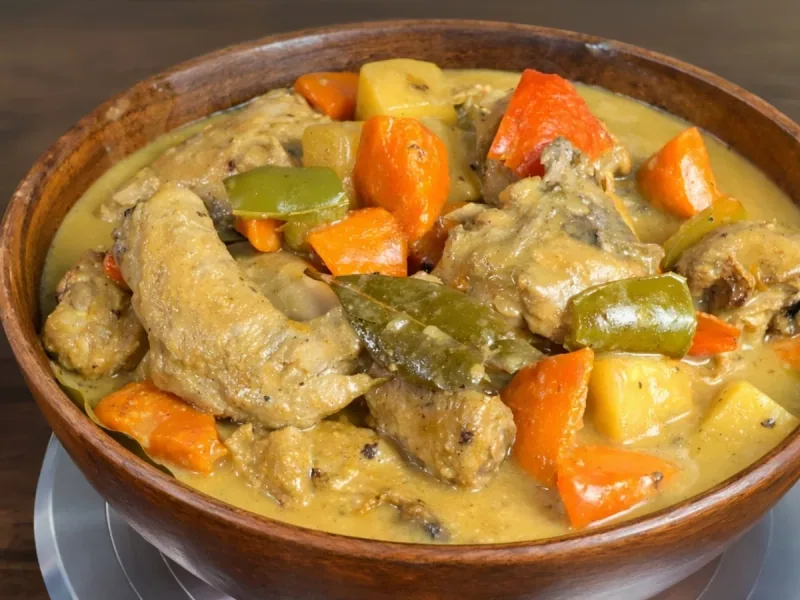
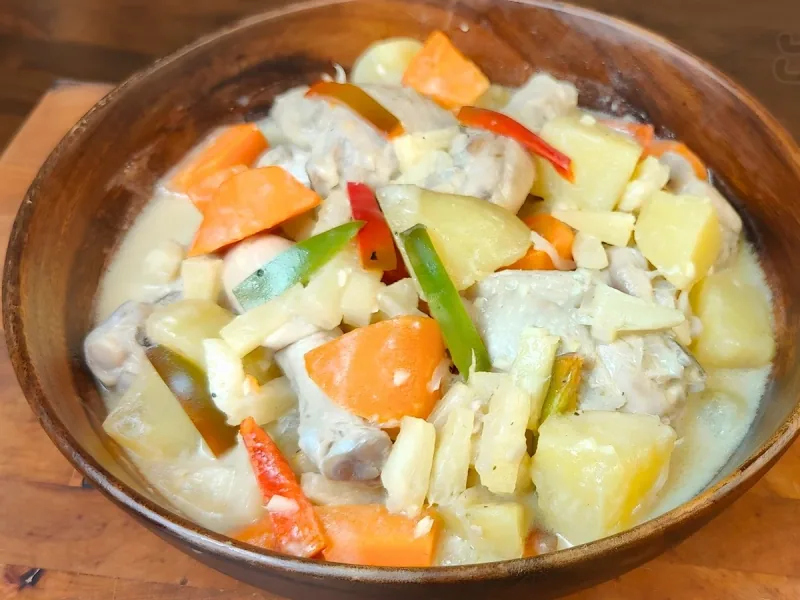
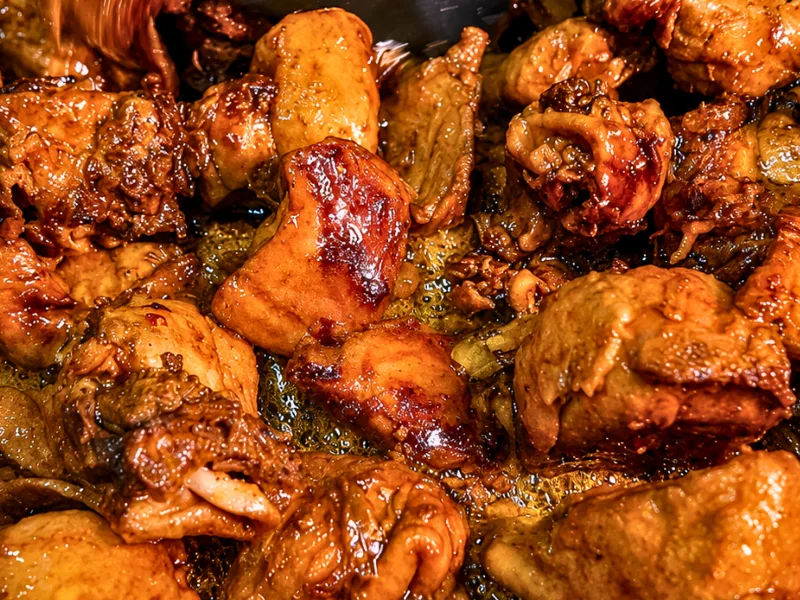
Chicken adobo sa gata brings together vinegar-seasoned chicken and a rich coconut sauce. This version starts by searing the chicken separately before cooking the garlic, ginger, and onion in the same pan.

Coconut vinegar provides the tang, while coconut cream gives the sauce its body. Bay leaves, whole peppercorns, and chilies add aroma and heat. A little soy sauce goes in later for color and seasoning, with optional chicken bouillon and sugar for adjusting the final flavor.

Best paired with steamed rice to balance the richness and the saltiness of the dish.
The Kubo Cooks method

Why This Recipe Works

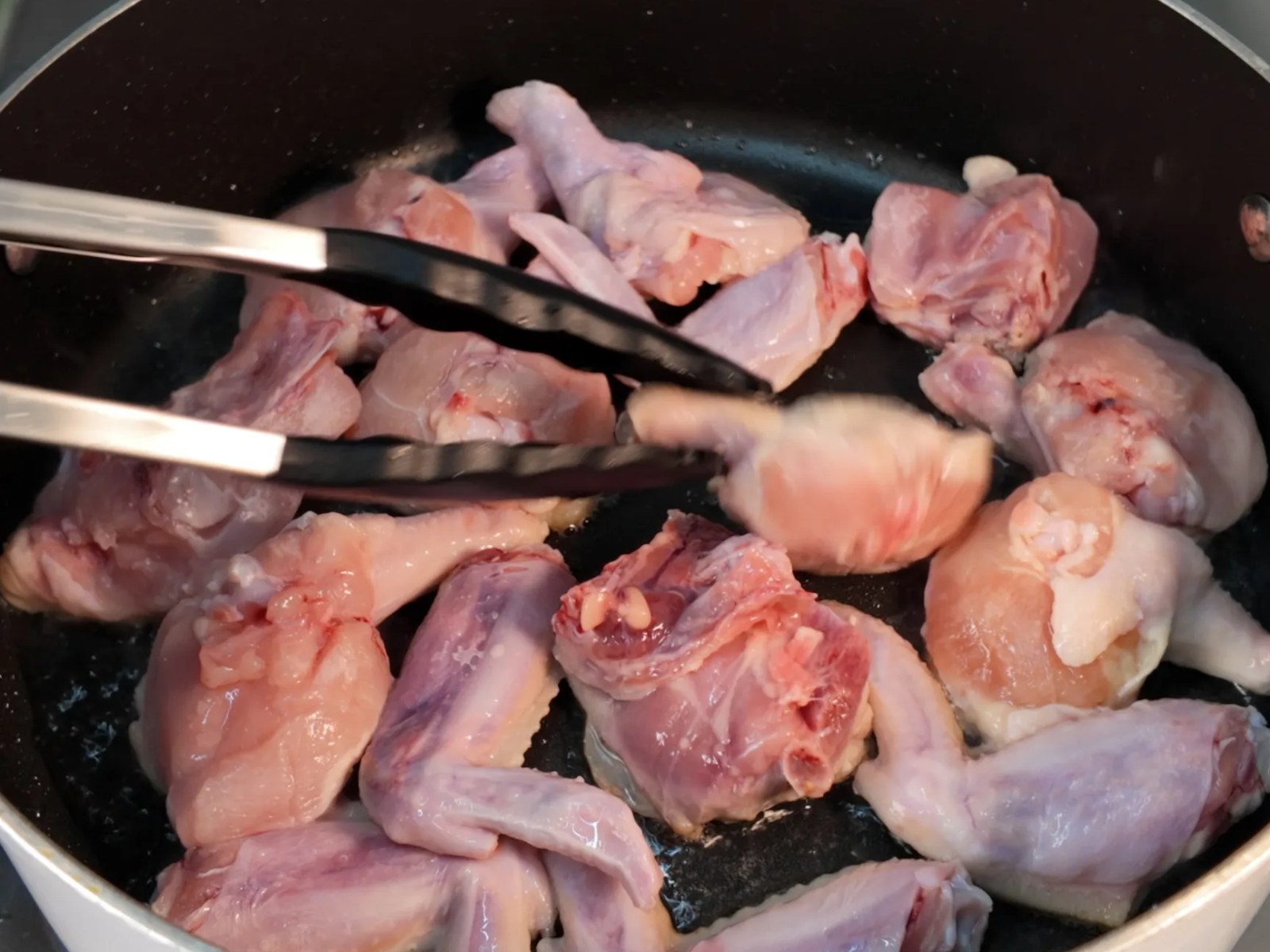
Sear the chicken in batches

Giving the pieces space helps their surfaces brown instead of steaming together in a crowded pan. The chicken finishes cooking in the sauce afterward.

Use the same pan for the aromatics

The garlic, ginger, and onion cook in the oil left after searing. Stirring them through the browned bits carries that flavor into the sauce.

Control the sauce near the end

Coconut cream thickens as it simmers. Adding soy sauce later and tasting after reducing makes it easier to judge the final saltiness, especially when using the optional bouillon cube.

What to know

Ingredient Notes

Chicken
Use chicken cut into manageable serving pieces. Similar sizes help the pieces cook evenly; bone-in pieces may need longer than small boneless pieces.
Coconut cream
This is what appears in the video. Use unsweetened coconut cream and stir or shake the package before measuring.
Coconut vinegar
Provides the adobo’s tang. Brands vary in strength, so judge the final balance after simmering.
Garlic, ginger, and onion
These go into the pan after searing the chicken, in that order. Keep the heat moderate so the garlic does not burn.
Chicken bouillon cube
Optional, as shown in the video. It adds savory flavor and salt, so be cautious with additional seasoning.
Bay leaves and whole peppercorns
Flavor the sauce as it simmers. Remove the bay leaves before serving and watch for whole peppercorns when eating.
Chili flakes
Adjust to your preferred heat. Fresh chilies also work.
Soy sauce
Added later for color and seasoning. Start with the listed amount and taste after the sauce reduces.
Sugar
Optional. Use a little only if you prefer a sweeter balance.
Water
Add only when needed to maintain enough simmering liquid or loosen an overly thick sauce.
Make it your own

Substitutions

Coconut cream
Use the same amount of regular unsweetened coconut milk for a lighter sauce. Start without the optional water because coconut milk is thinner.
Coconut vinegar
Cane vinegar or white vinegar can work, though the flavor will differ.
Chicken cuts
Thighs, drumsticks, or mixed serving pieces work. Begin checking smaller or boneless pieces earlier.
Chili flakes
Replace with 1–2 small fresh chilies, adjusting to your preferred heat.
Chicken bouillon cube
Leave it out and adjust the finished sauce with salt or soy sauce as needed.
Chicken Adobo sa Gata process photo 1
Chicken Adobo sa Gata process photo 2
Chicken Adobo sa Gata process photo 3
Gallery photos 1–3 of 10
From my kitchen

Kubo Cooking Notes

Brown without overcrowding

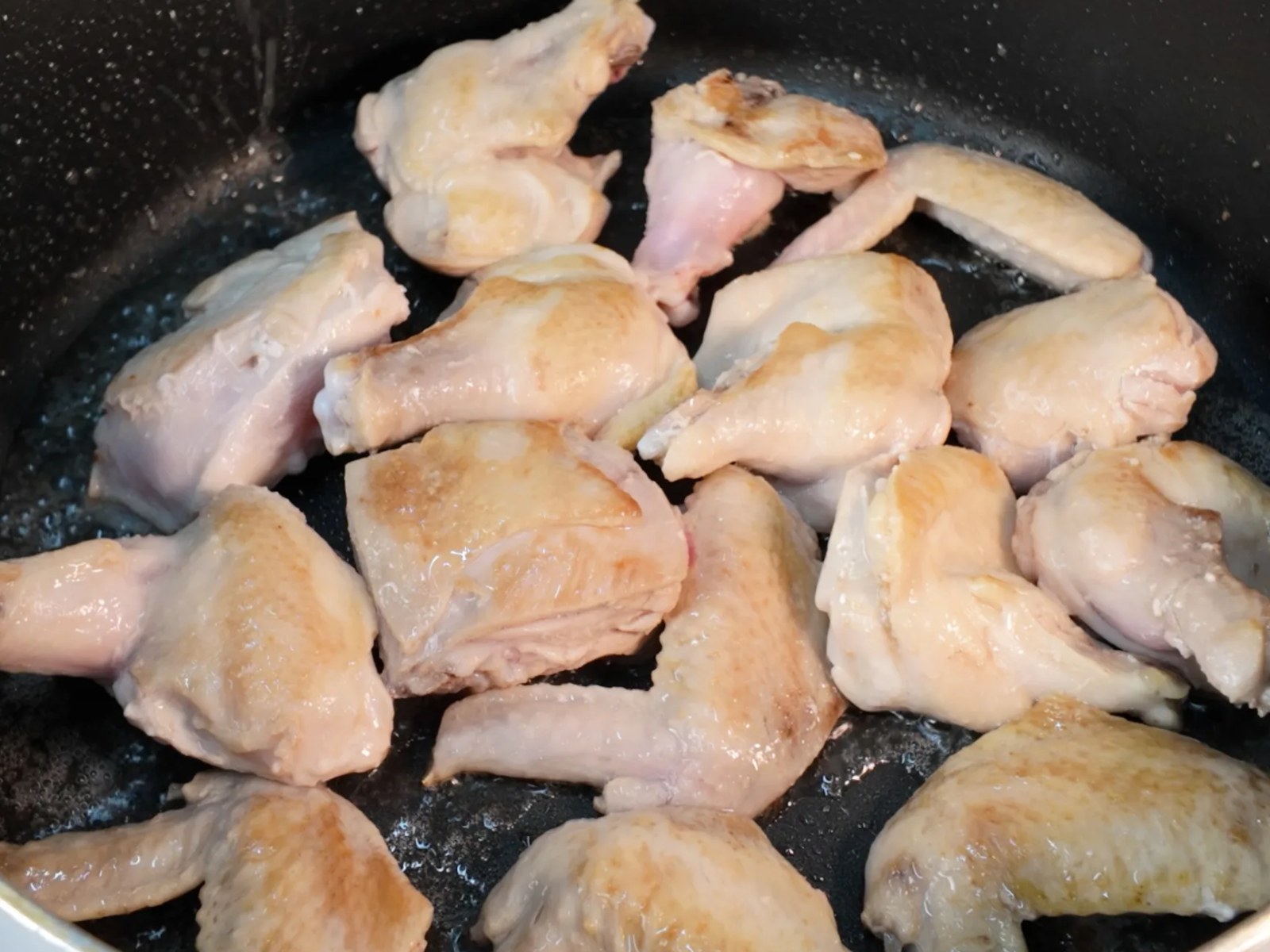
Sear in batches so the chicken has space against the pan. Transfer each batch to a plate while you cook the remaining pieces. The aim is surface color; the chicken will finish cooking in the sauce.

Watch the garlic

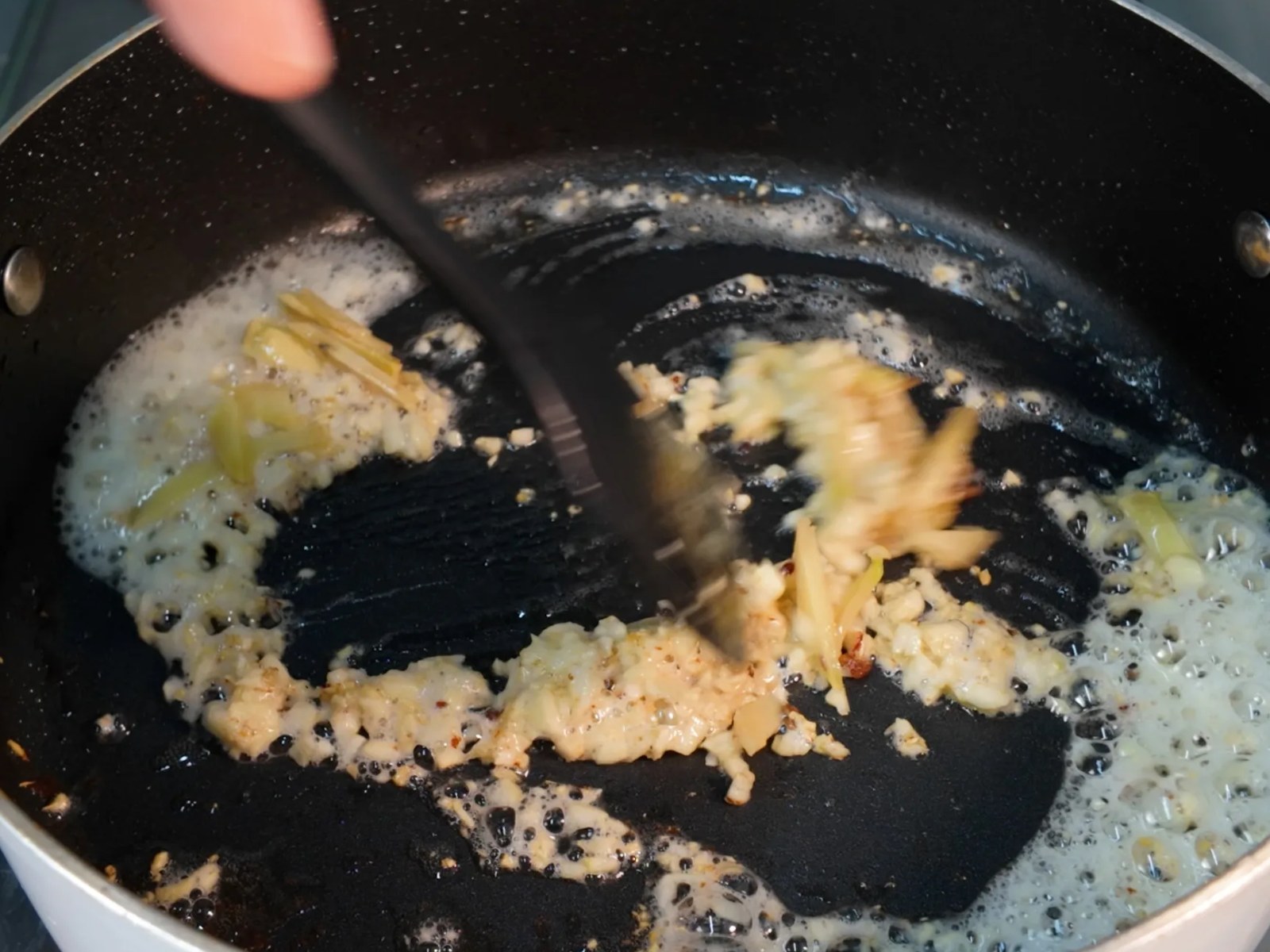
After removing the chicken, lower the heat if the pan is very hot. Add the garlic first, followed by the ginger and onion, stirring so the garlic colors lightly without burning.

Keep enough liquid in the pan

The chicken releases some liquid as it cooks. Add water a little at a time only when needed. Starting with too much can leave the sauce diluted and require a longer reduction.

Choose your finish

Stop reducing while the sauce still flows easily if you want plenty for rice. For a thicker coating, simmer uncovered a little longer, stirring around the chicken to prevent the sauce from catching.

Season after reducing

The bouillon cube, salt, and soy sauce all contribute saltiness. Make the final adjustment when the sauce is close to your preferred thickness.

Plan ahead

Make-Ahead, Storage, and Reheating

Make ahead: Prepare the aromatics ahead and keep them refrigerated until cooking. You can also cook the dish ahead, leaving the sauce slightly loose because it will thicken as it chills.

Store leftovers: Divide leftovers into shallow containers and refrigerate within 2 hours of cooking, or within 1 hour if the temperature is above 32°C (90°F). Keep covered at 4°C (40°F) or below and use within 3–4 days.

Reheat: Reheat the portion you need in a covered pan, adding a small splash of water if the sauce has thickened. Turn the chicken and stir the sauce occasionally. Heat until the chicken and sauce reach 74°C (165°F) throughout.

Bring it to the table

Serving Suggestions

  • Serve with hot steamed rice and spoon the coconut adobo sauce over the top.
  • Pair with steamed or lightly sautéed vegetables.
  • Add sliced cucumber or tomatoes for a refreshing side.
  • Offer extra chilies at the table for anyone who wants more heat.

Ingredients

  • 1 kg bone-in chicken, skin on, cut into serving pieces
  • 400 ml Coco Mama Fresh Gata (coconut cream)
  • 60 ml coconut vinegar (¼ cup)
  • 2 Tbsp soy sauce (30 ml)
  • 2 Tbsp cooking oil
  • 6 cloves garlic, minced (about 30 g)
  • 20 g ginger, peeled and sliced into thin strips
  • 1 medium onion, chopped (about 120 g)
  • 1 chicken bouillon cube (optional)
  • 2 dried bay leaves
  • 2 tsp whole peppercorns
  • ¼ tsp salt, plus more only if needed
  • ½ tsp dried chili flakes
  • 1 tsp sugar (optional)
  • 120 ml water (½ cup), only if needed

How to Make It

Sear the chicken

  1. Pat the chicken dry. Heat the cooking oil in a wide pan over medium-high heat.
    View photo
    Pat the chicken dry.
  2. Add the chicken in a single layer, working in batches. Sear for approximately 3–4 minutes per side, until lightly browned.
    View photo
    Add the chicken in a single layer, working in batches.
  3. Transfer the seared pieces to a plate. Repeat with the remaining chicken, keeping the oil and browned bits in the pan.

Cook the aromatics

  1. Reduce the heat to medium. Add the garlic and stir for about 30 seconds, until fragrant.
  2. Add the ginger and cook for another 30–60 seconds.
    View photo
    Add the ginger and cook for another 30–60 seconds.
  3. Add the onion and cook for 2–3 minutes, until softened, stirring to keep the garlic from burning.

Return and season the chicken

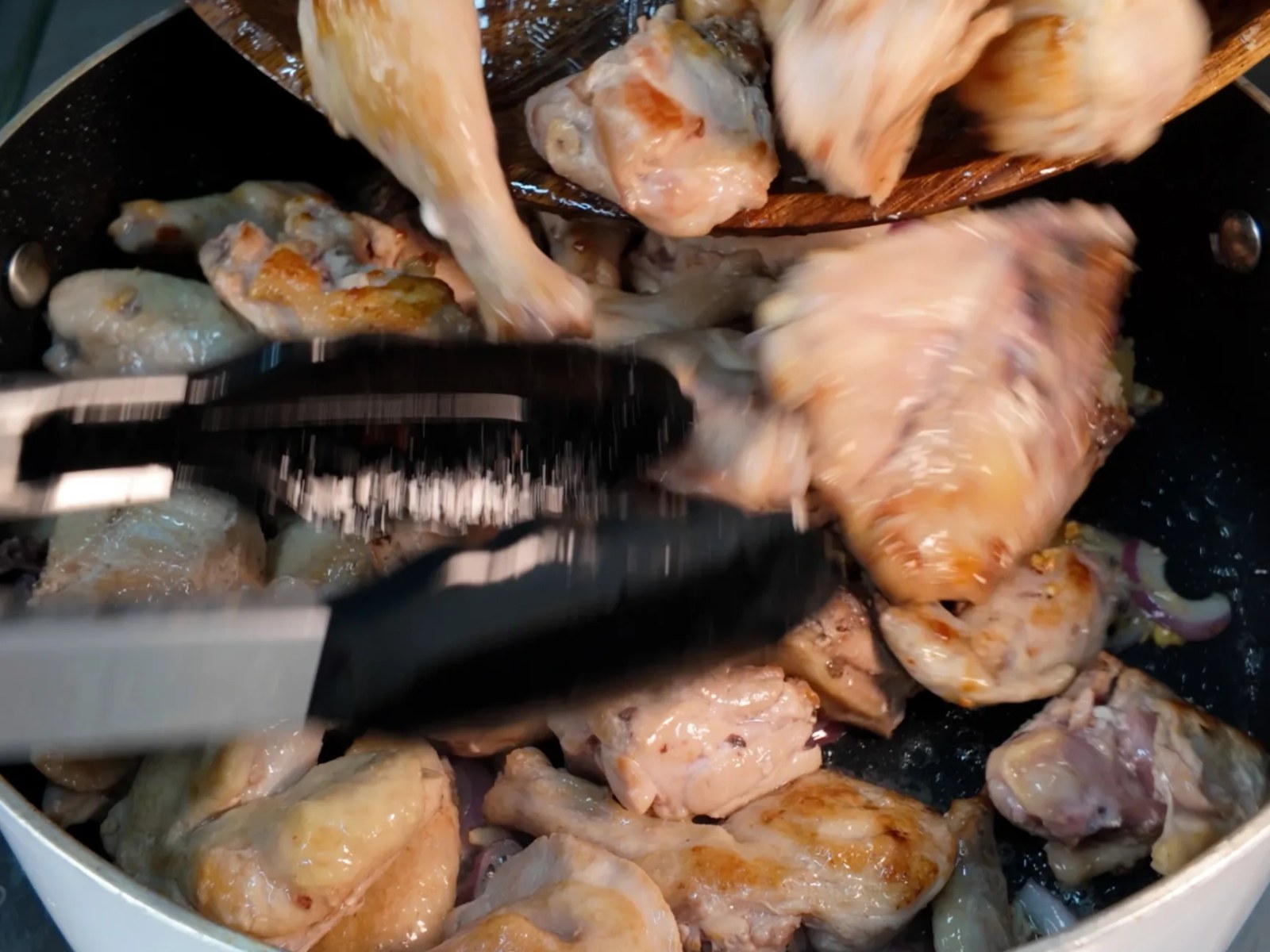
  1. Return all the chicken and any collected juices to the pan.
    View photo
    Return all the chicken and any collected juices to the pan.
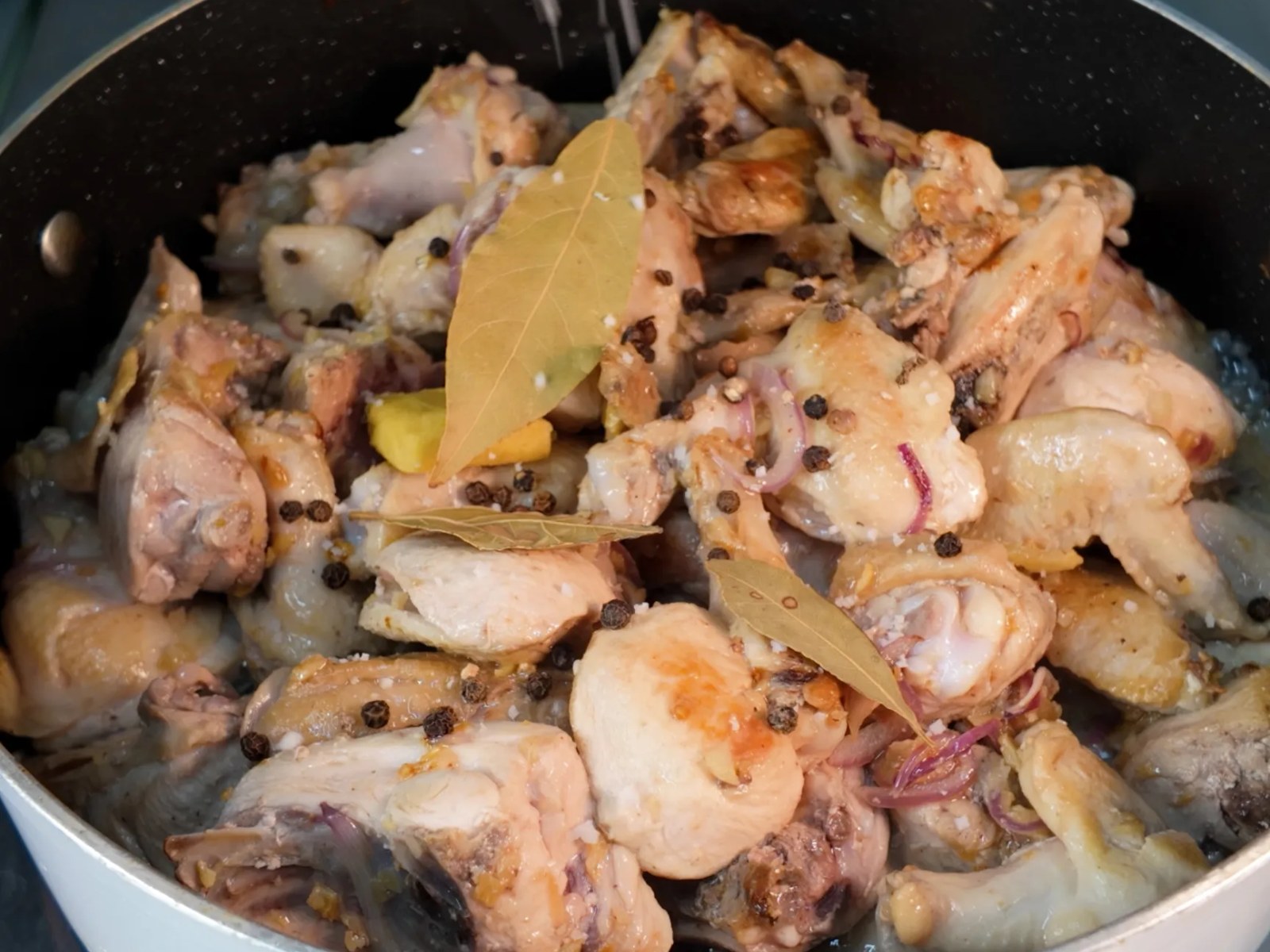
  2. Add the optional chicken bouillon cube, bay leaves, whole peppercorns, and salt. Toss gently to distribute the seasonings.
    View photo
    Add the optional chicken bouillon cube, bay leaves, whole peppercorns, and salt.
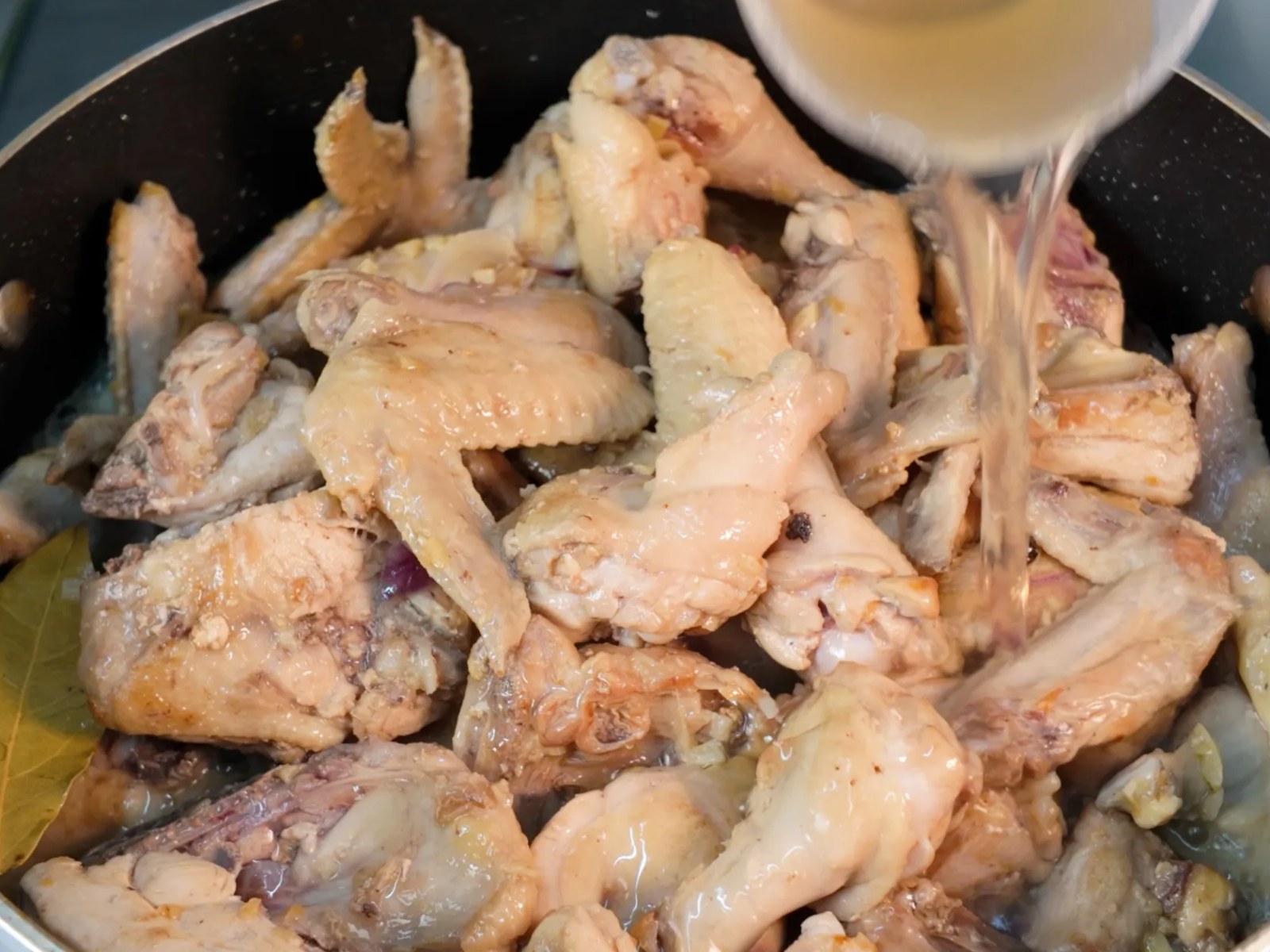
  3. Pour in the coconut vinegar and bring to a gentle simmer. Cook for 2–3 minutes.
    View photo
    Pour in the coconut vinegar and bring to a gentle simmer.
  4. Add a little of the water only if the pan needs more liquid, then stir in the chili flakes.

Add the coconut cream

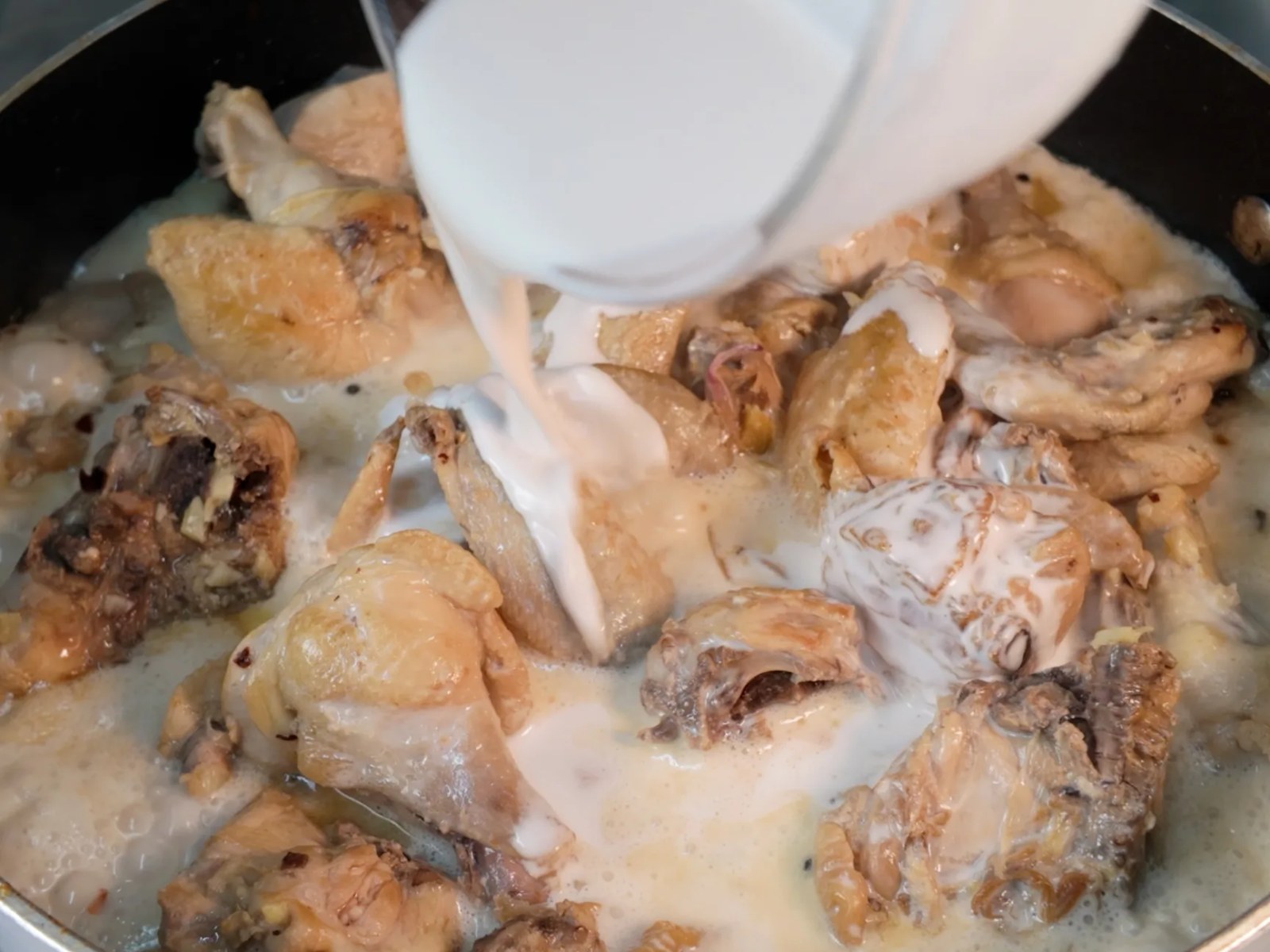
  1. Pour in the coconut cream and stir gently to combine.
    View photo
    Pour in the coconut cream and stir gently to combine.
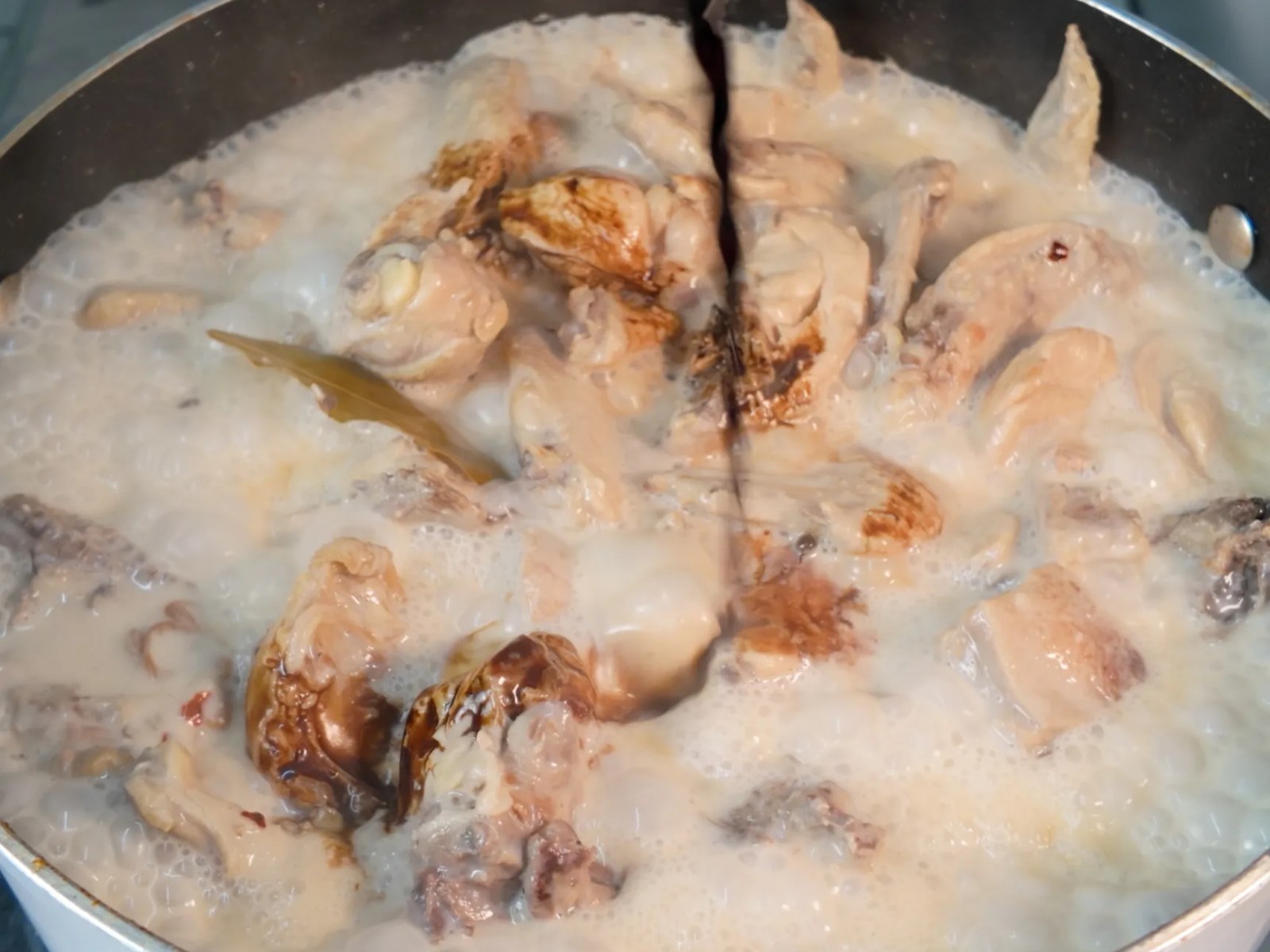
  2. Add the soy sauce for color and seasoning. Add the optional sugar if using.
    View photo
    Add the soy sauce for color and seasoning.
  3. Bring to a gentle simmer, then cook over medium-low heat for approximately 20–25 minutes, turning the chicken occasionally. Partially cover if the liquid is reducing too quickly, and add small splashes of water as needed.
  4. Check the thickest part of the chicken with a food thermometer, avoiding the bone. Continue cooking until it reaches at least 74°C (165°F).

Reduce and serve

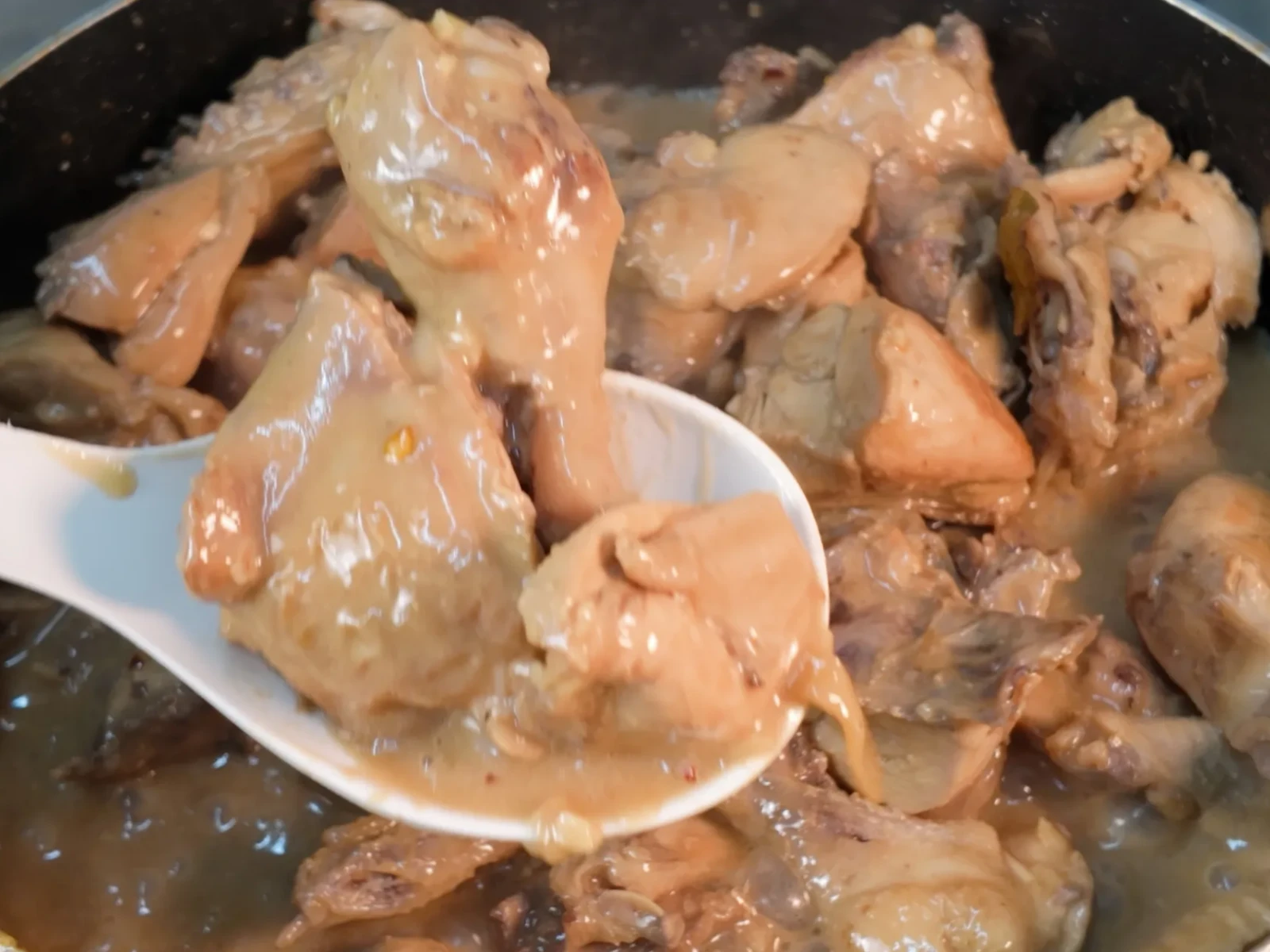
  1. Uncover and simmer briefly if you want a thicker sauce, stirring around the chicken to prevent sticking.
  2. Taste the reduced sauce before adding any extra salt, soy sauce, or sugar.
    View photo
    Taste the reduced sauce before adding any extra salt, soy sauce, or sugar.
  3. Remove the bay leaves and serve hot with steamed rice.