Fried Noodles
Watch the full recipe

See every step.

Play the complete Kubo Cooks video directly on this page.

Player not loading? Watch on YouTube ↗

Discover the dish

About Fried Noodles

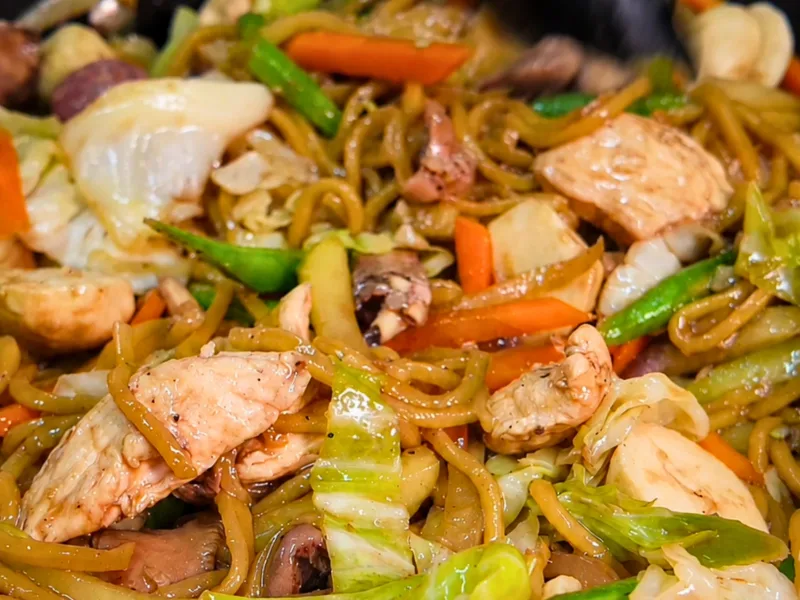
Fried noodles belong to the wider family of Filipino pancit dishes shaped by Chinese influence. This kanto-style version is less about one strict traditional formula and more about the familiar street-side combination of affordable noodles, bold seasoning, and generous toppings.

Here, egg noodles are stir-fried with garlic, onion, and crisp mung bean sprouts in a sweet-savory sauce. Each bowl is finished with steamed siomai, fried garlic, chili garlic oil, and calamansi, turning a simple noodle dish into a filling merienda or complete meal.

The Kubo Cooks method

Why This Recipe Works

Cooking the egg noodles before stir-frying gives us better control over their texture. Draining them thoroughly prevents excess water from diluting the sauce, while leaving them slightly firm keeps them from becoming too soft in the pan.

The sauce combines soy sauce and oyster sauce for savory depth, sugar for balance, and optional mirin for mild sweetness and aroma. Mixing it beforehand allows the seasoning to coat the noodles quickly and evenly.

Mung bean sprouts are cooked only briefly so they retain some crunch. Sesame oil is added near the end to preserve its aroma instead of letting it disappear during prolonged cooking.

The toppings complete the dish. Siomai makes each bowl more substantial, fried garlic adds crunch, chili garlic oil brings heat and richness, and calamansi cuts through the savory sauce with fresh acidity.

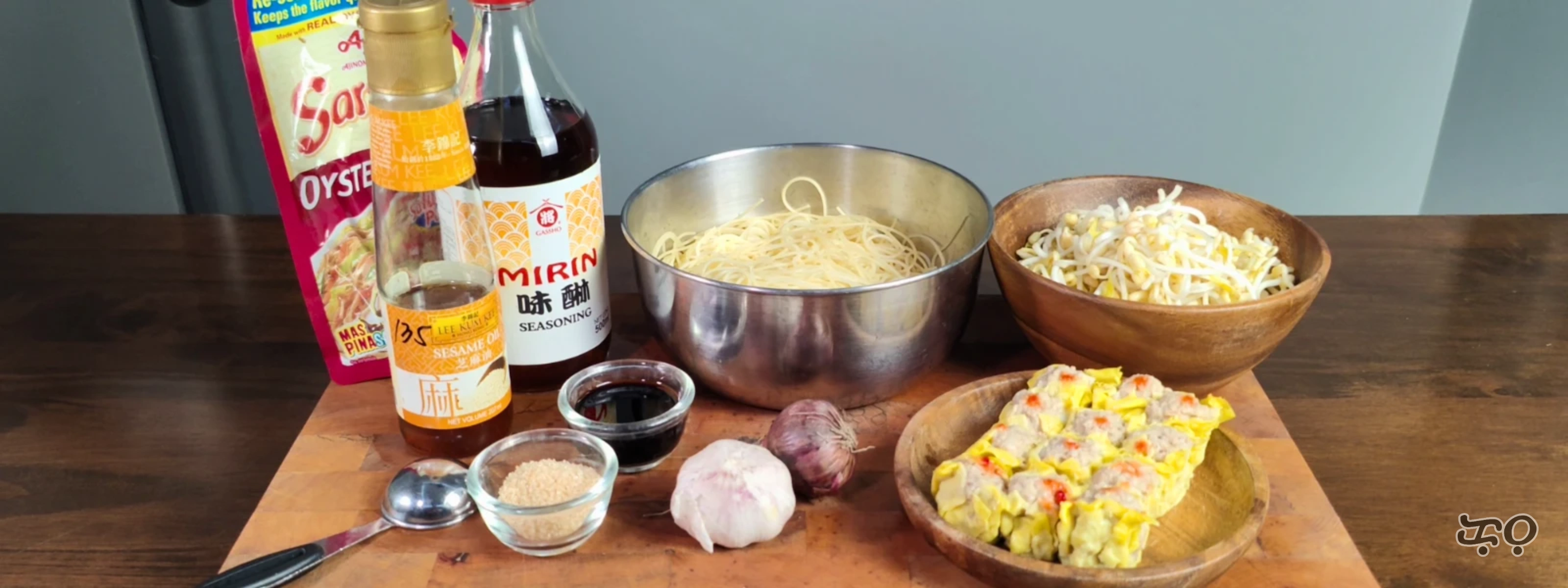
Ingredients for Fried Noodles
What to know

Ingredient Notes

Dried egg noodles
Use dried egg noodles intended for boiling and stir-frying. Cook them only until just tender because they will continue cooking when tossed with the sauce.
Mung bean sprouts
Choose crisp, fresh-looking sprouts. Stir-fry them briefly so they soften without losing all their crunch.
Onion and garlic
These form the aromatic base. Keep the pan hot, but do not let the garlic burn.
Siomai
Steam until fully cooked and heated through. This recipe allows three pieces for each bowl.
Soy sauce
Provides most of the salt and savory flavor. Different brands vary in saltiness, so taste before making any final adjustment.
Sugar
Balances the soy sauce and chili garlic oil without making the noodles taste like a sweet dish.
Mirin
Optional, but it contributes gentle sweetness and a little extra aroma.
Oyster sauce
Adds body and deeper savory flavor to the noodle sauce.
Sesame oil
Add it near the end. A small amount is enough because its aroma can easily overpower the other ingredients.
Cooking oil
Helps the noodles fry properly and keeps them from sticking to the pan.
Chili garlic oil and fried garlic
Add these per bowl so everyone can control the heat and amount of topping.
Calamansi
Squeeze it over the finished noodles immediately before eating to brighten the rich, savory flavors.
Make it your own

Substitutions

Dried egg noodles
Use pancit canton or another dried wheat noodle with a similar thickness. Instant noodles can also work in a pinch; discard the seasoning packets and cook the noodles for less time so they remain firm.
Mung bean sprouts
Replace them with finely shredded cabbage, another quick-cooking vegetable, or omit them.
Siomai
Pork, chicken, shrimp, or vegetable siomai can be used. You can also leave it out for a simpler bowl of noodles.
Mirin
It can be omitted without replacement. Taste the prepared sauce and only add more sugar if it needs additional sweetness.
Oyster sauce
Use mushroom-based vegetarian oyster sauce for a meat-free alternative.
Calamansi
Use a small amount of lemon or lime juice.
Homemade chili garlic oil
Store-bought chili garlic oil works too. Adjust the amount according to its heat level.
Fried garlic
Use packaged fried garlic or make your own by slowly frying thinly sliced or minced garlic until lightly golden.
Fried Noodles process photo 1
Fried Noodles process photo 2
Fried Noodles process photo 3
Gallery photos 1–3 of 6
From my kitchen

Kubo Cooking Notes

Keep the noodles slightly firm

Do not fully soften the noodles during boiling. They will absorb more moisture and continue cooking when added to the hot pan. Slightly firm noodles are easier to toss and less likely to break apart.

Drain away as much water as possible

Water clinging to the noodles can cool the pan and dilute the sauce. Drain them thoroughly before stir-frying. If they need to wait briefly, loosen them gently so they do not settle into one solid clump.

Give the noodles enough room

A wide wok or frying pan allows more of the noodles to touch the hot surface. If the pan is overcrowded, the noodles are more likely to steam than fry and may be harder to toss evenly.

Look for coating rather than pooling

The finished sauce should cling to the noodles instead of collecting at the bottom of the pan. Keep tossing until most of the liquid has been absorbed, but stop before the noodles become dry or begin sticking.

Keep some crunch in the bean sprouts

Mung bean sprouts release water as they cook. A short stir-fry softens them slightly while preserving their texture and preventing them from making the noodles watery.

Finish with sesame oil

Sesame oil is used mainly for aroma. Add it at the end and toss only long enough to distribute it through the noodles.

Build the bowls just before serving

Add the siomai, fried garlic, chili garlic oil, and calamansi after portioning the noodles. This keeps the garlic crisp and lets each person adjust the heat and acidity.

Plan ahead

Make-Ahead, Storage, and Reheating

Plan ahead: The noodle sauce can be mixed ahead of time and kept covered in the refrigerator. Fried garlic and chili garlic oil can also be prepared in advance. The siomai may be steamed ahead and refrigerated separately. Cook and stir-fry the noodles closer to serving for the best texture.

Storage: Store leftover noodles and siomai in separate covered containers when possible. Keep the fried garlic, chili garlic oil, and calamansi separate so the toppings remain fresh. Refrigerate once the food has cooled enough to store safely and consume within three days for the best texture. Freezing is not recommended. The cooked noodles and mung bean sprouts can become overly soft and watery after thawing.

Reheating: Reheat the noodles in a hot pan with a small splash of water. Toss until evenly heated and the added moisture has been absorbed. They can also be microwaved under a loose cover in short intervals, stirring between each one. Reheat the siomai separately, then add the fried garlic, chili garlic oil, and calamansi after heating.

Bring it to the table

Serving Suggestions

  • Serve immediately while the noodles are hot and the bean sprouts still have some crunch.
  • Top each bowl with three pieces of steamed siomai.
  • Let everyone adjust the fried garlic and chili garlic oil to taste.
  • Squeeze calamansi over the noodles immediately before eating.
  • Place extra siomai, chili garlic oil, fried garlic, and calamansi on the table for sharing.
  • Serve as merienda, a quick lunch, or an easy noodle dinner.

Ingredients

Ingredients

  • 200 g dried egg noodles
  • 200 g mung bean sprouts
  • 20 g onion (about ¼ medium onion), thinly sliced
  • 15 g garlic (about 4 cloves), minced
  • 12 pieces siomai (3 siomai per bowl)
  • 2 tsp sesame oil
  • 4 Tbsp cooking oil

For the Fried Noodle Sauce

  • 4 Tbsp soy sauce
  • 2 Tbsp sugar
  • 2 Tbsp mirin (optional)
  • 1 Tbsp oyster sauce
  • 50 ml water

For the Toppings

  • 6 Tbsp chili garlic oil, or to taste
  • 6 Tbsp fried garlic, or to taste
  • 4 pieces calamansi

How to Make It

How to Make It

  1. Cook the egg noodles according to the package instructions, then drain well and set aside.
  2. In a bowl, combine the soy sauce, sugar, mirin, oyster sauce, and water. Mix until the sugar is mostly dissolved.
  3. Steam the siomai for 10–12 minutes, or until fully cooked and heated through. Set aside.
  4. Heat the cooking oil in a large wok or pan over medium-high heat.
  5. Add the garlic and onion, then sauté until fragrant and lightly softened.
  6. Add the mung bean sprouts and stir-fry for about 1 minute, keeping them slightly crisp.
  7. Add the cooked egg noodles and toss until evenly combined with the vegetables.
  8. Pour in the prepared sauce and continue tossing until the noodles are evenly coated and have absorbed most of the sauce.
  9. Drizzle in the sesame oil and toss briefly to combine.
  10. Transfer the noodles to a serving bowl or plate.
  11. Top with the steamed siomai, fried garlic, and chili garlic oil.
  12. Serve with calamansi on the side and squeeze over the noodles before eating.
Kubo Tips
  • Avoid overcooking the egg noodles during boiling since they will continue cooking when stir-fried with the sauce.
  • Use a hot wok or wide pan so the noodles fry instead of steaming.
  • Drain the noodles well before adding them to the pan to prevent the dish from becoming watery.
  • Adjust the chili garlic oil and calamansi to taste when serving.