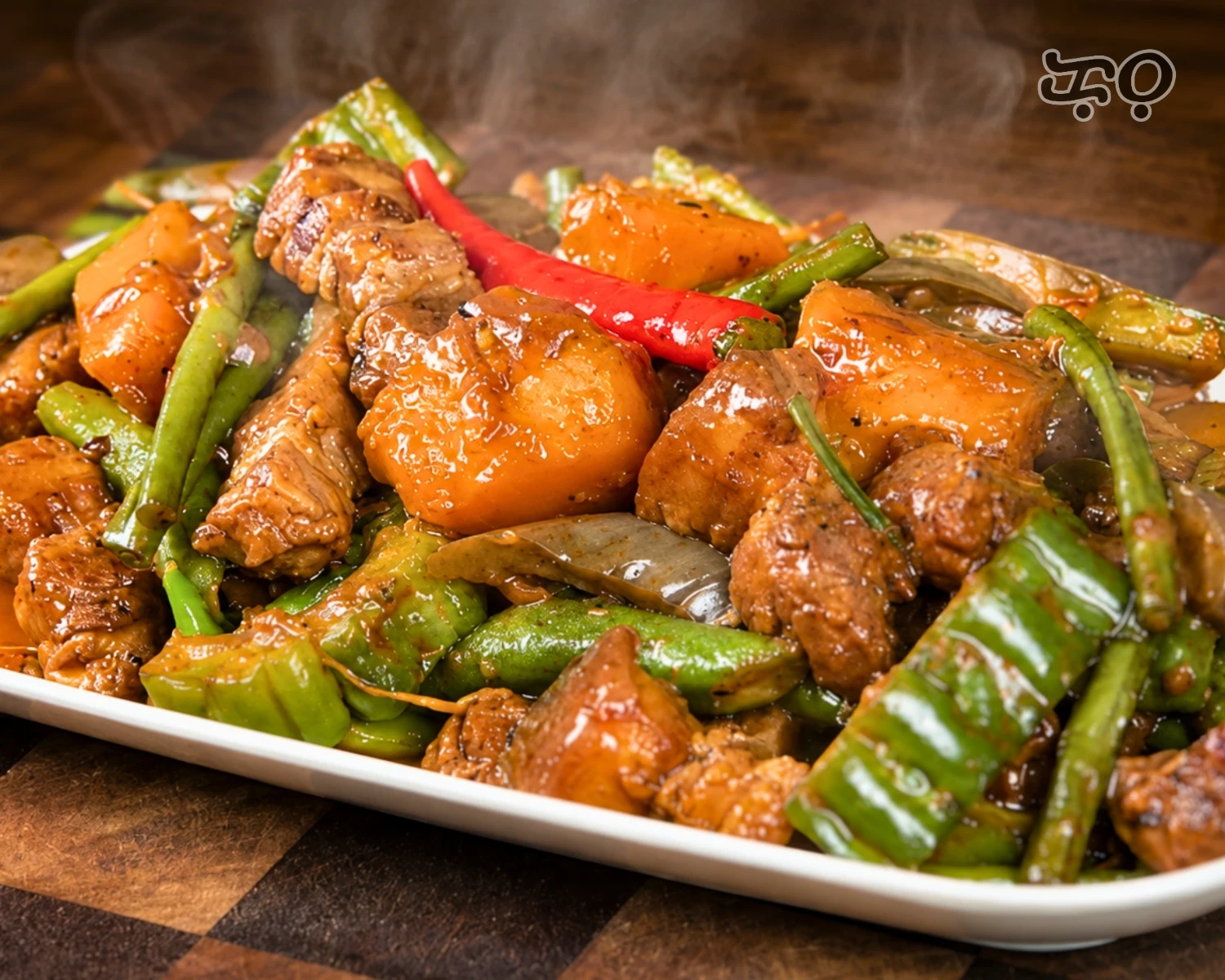
Pinakbet Tagalog
Watch the full recipe

See every step.

Play the complete Kubo Cooks video directly on this page.

Player not loading? Watch on YouTube ↗

Discover the dish

About Pinakbet Tagalog

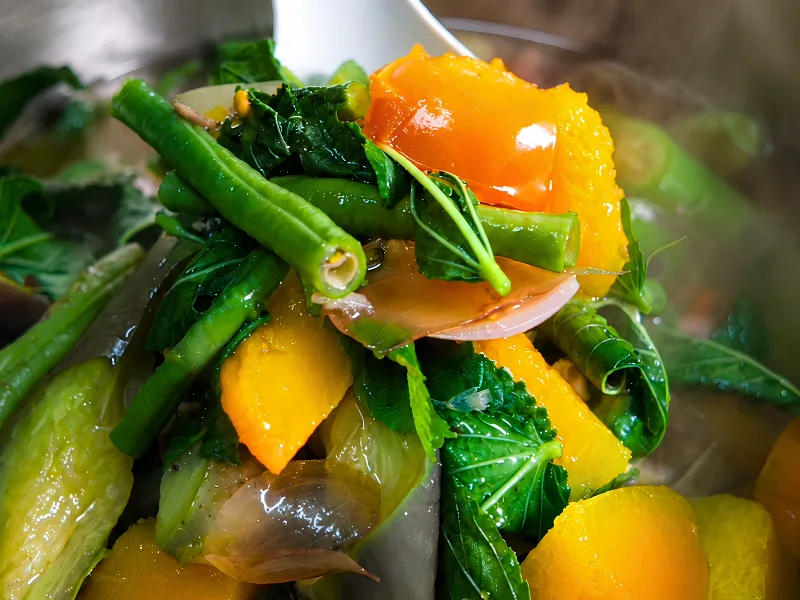
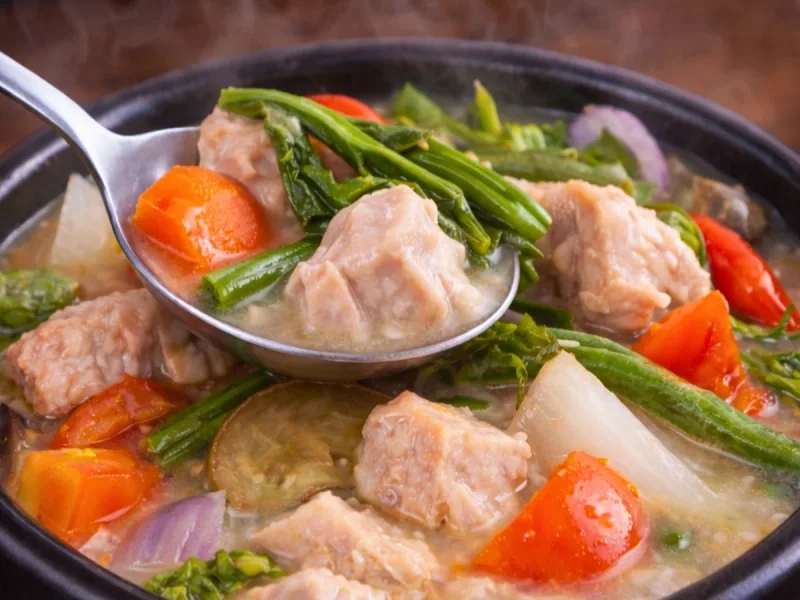
Pinakbet Tagalog brings together pork and mixed vegetables in a savory bagoong sauce. Kalabasa adds sweetness, ampalaya brings a little bitterness, and eggplant, okra, and sitaw give each bite a different texture.

Pinakbet has roots in the Ilocos region and has developed into different versions across the Philippines. Some Ilocano versions include kamote and use fermented fish bagoong, while Tagalog versions commonly feature kalabasa and bagoong alamang.

For my version, I use homemade ginisang bagoong made with ginamos, an ingredient familiar to me here in Iloilo. It brings a little of my own home cooking into this Tagalog-style dish.

The pork belly cooks first, letting some of its fat render before the garlic, onion, bagoong, and tomatoes go in. Once the pork is tender, the vegetables are added gradually so each keeps its own texture.

The Kubo Cooks method

Why This Recipe Works

Rendering and lightly browning the pork belly gives the dish both cooking fat and a flavorful base. The garlic and onion cook in that fat, while softened tomatoes contribute juices that blend with the bagoong.

The pork becomes tender before the vegetables are added. This keeps the vegetables from spending the entire pork-cooking time in the pot and turning overly soft.

Kalabasa goes in first, followed by sitaw and the more delicate vegetables. The timing gives the squash a chance to soften while keeping the eggplant, okra, and ampalaya from breaking down too much.

The vegetables also balance one another. Sweet kalabasa and tomatoes sit alongside the bitterness of ampalaya and the savory bagoong, so the finished dish has more character than a single salty sauce.

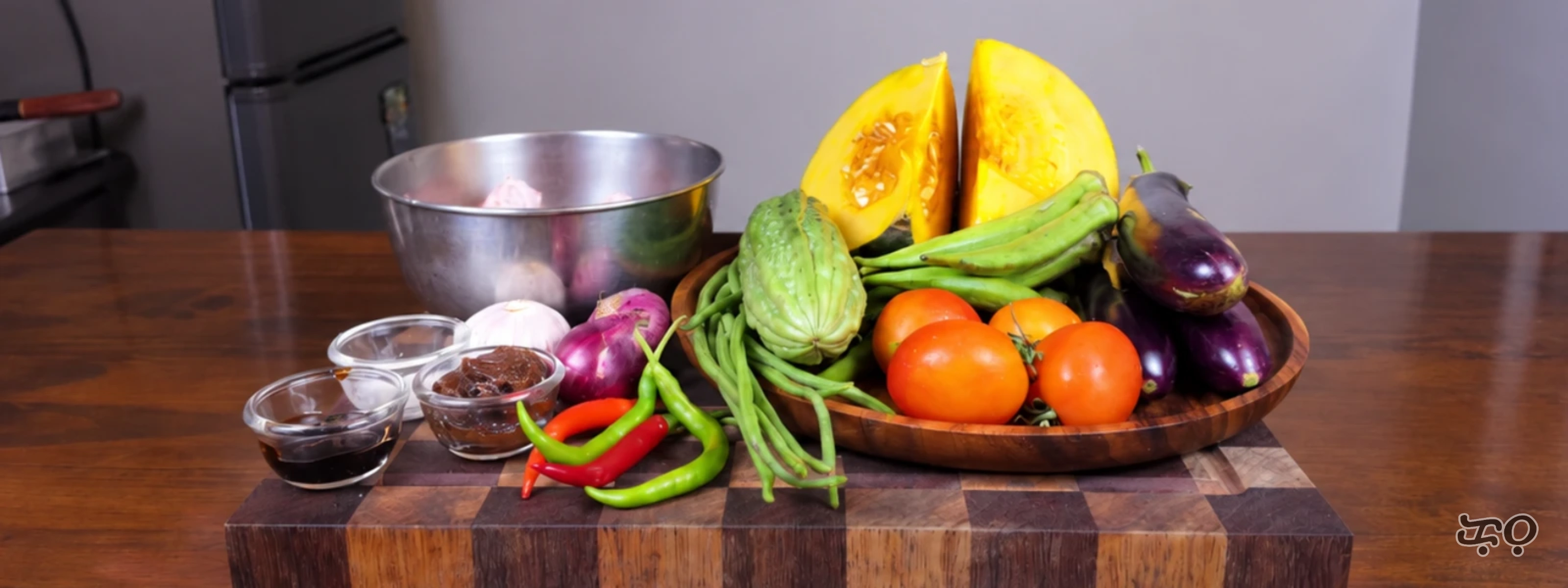
Ingredients for Pinakbet Tagalog
What to know

Ingredient Notes

Pork belly
Provides richness and rendered fat for sautéing. Cut into evenly sized pieces so they become tender at a similar pace.
Kalabasa
Adds sweetness and body to the sauce. Pieces that are too small can break apart before the other vegetables finish cooking.
Okra
Choose tender pods rather than large, fibrous ones. Trim the tough stem ends without cutting deeply into the pods.
Eggplant
Absorbs the savory cooking liquid and becomes soft as it cooks. Cut into substantial pieces so it holds together better.
Ampalaya
Its bitterness is part of the dish’s flavor. Remove the seeds and slice evenly so the pieces cook at a similar pace.
Sitaw
Cut into manageable lengths that are easy to serve and eat with the other vegetables.
Tomatoes
Ripe tomatoes soften readily and contribute sweetness, acidity, and moisture to the base.
Garlic and onion
Build the aroma underneath the pork, tomatoes, and bagoong.
Long red and green chilies
Add flavor and some heat, depending on the variety. Adjust the amount to your preference.
Bagoong
I use homemade ginisang bagoong made with ginamos. You can use your preferred prepared bagoong, but start with less if it is particularly salty. Taste before adding more salt or the optional oyster sauce.
Oyster sauce
Optional. Adds another savory layer, but the dish already gets plenty of flavor from the pork and bagoong.
Salt and black pepper
Season the pork lightly at the beginning, then make the final adjustment after the vegetables have cooked.
Cooking oil
Optional. Pork belly usually releases enough fat for sautéing, but leaner pieces may need a little help.
Water
Gives the pork enough liquid to simmer until tender. Check the pot during cooking and add small amounts if needed.
Make it your own

Substitutions

Pork belly
Pork shoulder works if you prefer a meatier cut. It may need a little cooking oil and a different simmering time.
Kalabasa
Kabocha or another firm, sweet cooking squash can be used. Adjust the cooking time to its texture.
Sitaw
Green beans are a practical alternative. Cook until tender with a little bite.
Eggplant
Long Asian eggplants work well. Larger globe eggplants can also be used, cut into appropriately sized pieces.
Ampalaya
Use less if you prefer a milder bitterness, or replace part of it with more eggplant or sitaw.
Long chilies
Use the mild or hot variety you enjoy, or leave them out.
Oyster sauce
Simply omit it. Taste before deciding whether any additional seasoning is needed.
Pinakbet Tagalog process photo 1
Pinakbet Tagalog process photo 2
Pinakbet Tagalog process photo 3
Gallery photos 1–3 of 6
From my kitchen

Kubo Cooking Notes

The pork should be ready before the vegetables

Once the vegetables enter the pot, there is only a short cooking window before some begin to soften too much. Pork that is still tough at that point leaves you choosing between chewy meat and overcooked vegetables.

The listed simmering time is a guide. The size of the pork pieces and the cut you use matter more than following the clock exactly.

Cut size changes the timing

Adding vegetables in stages helps, but their size matters too. A large piece of kalabasa can still be firm while a small piece is already falling apart.

The goal is not to make every vegetable the same shape. It is to keep the pieces within each type reasonably consistent and check their texture as they cook.

Some softness gives the sauce body

A little softened kalabasa can blend into the cooking liquid and give it body. That is different from stirring until all the squash breaks apart.

Gentle mixing helps preserve the eggplant and other tender vegetables while still coating them with the sauce. Pinakbet should have a mixture of textures, not feel like one uniform mash.

Bitterness belongs in the balance

Ampalaya does not need to become completely mild to work in this dish. Its bitterness contrasts with the sweet kalabasa and rich pork.

Adding it toward the end keeps its cooking brief and helps preserve its texture. It does not remove the bitterness, so adjusting the amount is a more direct way to suit your preference.

Let the bagoong guide the seasoning

The same spoonful of bagoong can taste quite different depending on the brand or how it was prepared. Optional oyster sauce adds more saltiness too.

The vegetables release moisture as they cook, so the final seasoning makes more sense once everything is in the pot. Aim to taste the vegetables and pork alongside the bagoong, rather than having salt dominate every bite.

Plan ahead

Make-Ahead, Storage, and Reheating

Make ahead: The kalabasa, sitaw, and ampalaya can be cut ahead of time and refrigerated in separate covered containers. Leave the talong whole until you’re ready to cook, since its exposed flesh can brown quickly. The pork can also be cooked until tender in its tomato-bagoong base ahead of time, then refrigerated promptly in a covered container. Reheat the pork and sauce thoroughly before adding the vegetables. Finish cooking the vegetables closer to serving for the best texture.

Store leftovers: Transfer leftovers to shallow covered containers and refrigerate promptly. Consume within 3–4 days. The vegetables will soften further during storage and reheating, so their texture is best sooner.

Reheat: Reheat only the portion you need over gentle heat, adding a small splash of water if the sauce has become too thick. Fold the vegetables carefully rather than stirring vigorously. Heat until the food reaches 74°C throughout, then serve.

Bring it to the table

Serving Suggestions

  • Serve with hot steamed rice and spoon some of the sauce over it.
  • Pair with simply grilled or fried fish.
  • Serve as part of a shared meal with other lightly seasoned dishes.
  • Offer extra chilies on the side for those who prefer more heat.

Ingredients

  • 500 g pork belly
  • 800 g calabaza squash
  • 160 g okra
  • 300 g eggplant
  • 200 g bitter gourd or ampalaya
  • 135 g sitaw or snake beans
  • 215 g tomatoes
  • 15 g garlic
  • 60 g onion
  • 4 long red and green chilies
  • 2 Tbsp bagoong
  • 1 Tbsp oyster sauce (optional)
  • About 1 tsp salt
  • About ½ tsp black pepper
  • 1 Tbsp cooking oil (optional)
  • About 400 ml water

How to Make It

  1. Season the sliced pork belly lightly with salt and black pepper.
  2. Heat a large pot over medium heat. Add the pork belly and cook until the fat renders and the edges are lightly browned. Add a small amount of oil if the pork is too lean.
  3. Add the minced garlic and sauté briefly until fragrant. Add chopped onion and cook until softened.
  4. Stir in the bagoong and cook for about 1 minute. Add the tomatoes and continue cooking until they soften and release their juices.
  5. Pour in the water and add the oyster sauce, if using. Mix well, cover, and simmer for 25 to 35 minutes, or until the pork is tender.
  6. Add the kalabasa and gently mix it into the sauce. Cover and cook for 5 to 7 minutes, or until it begins to soften.
  7. Add the sitaw and cook for another 3 to 4 minutes.
  8. Add the eggplant, followed by the okra and siling haba. Gently mix, cover, and cook for another 2 to 3 minutes.
  9. Add the ampalaya last. Cover and cook for 2 to 3 minutes, or until all the vegetables are tender but not mushy.
  10. Taste and adjust the seasoning with salt and black pepper as needed.
  11. Serve with hot rice and enjoy!
Kubo Tips
  • Go easy on the salt at the beginning because the bagoong may already be salty.
  • Add the vegetables in stages, starting with the ones that take longer to cook. Add the ampalaya last to keep its bitterness balanced and prevent the vegetables from becoming mushy.