Puto Kutsinta (Cuchinta)
Watch the full recipe

See every step.

Play the complete Kubo Cooks video directly on this page.

Player not loading? Watch on YouTube ↗

Discover the dish

About Puto Kutsinta (Cuchinta)

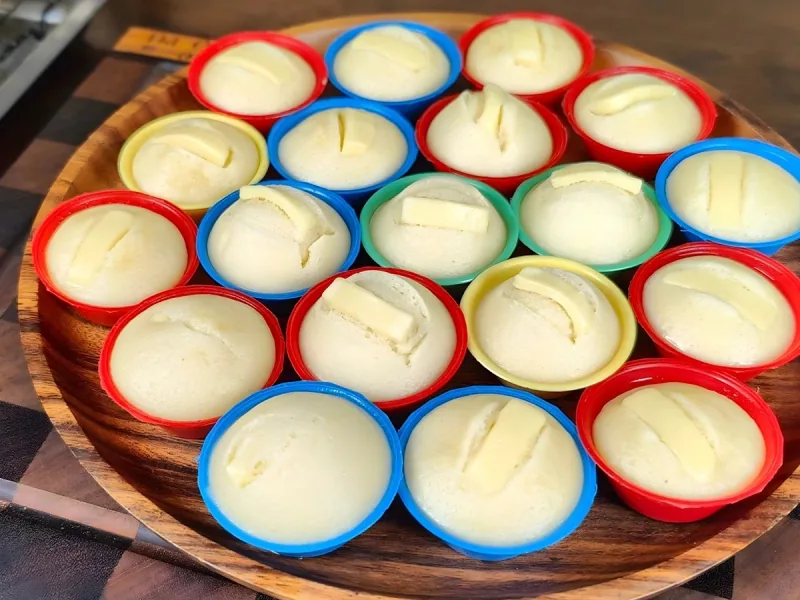
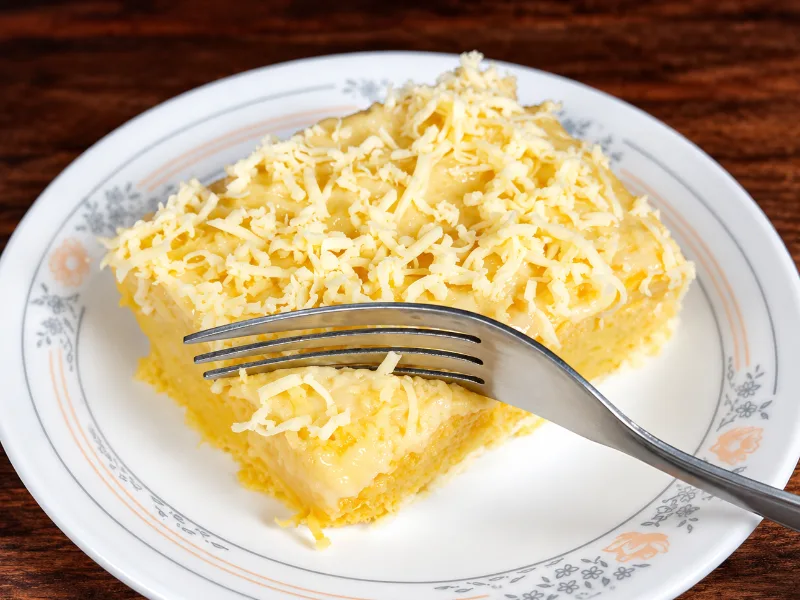
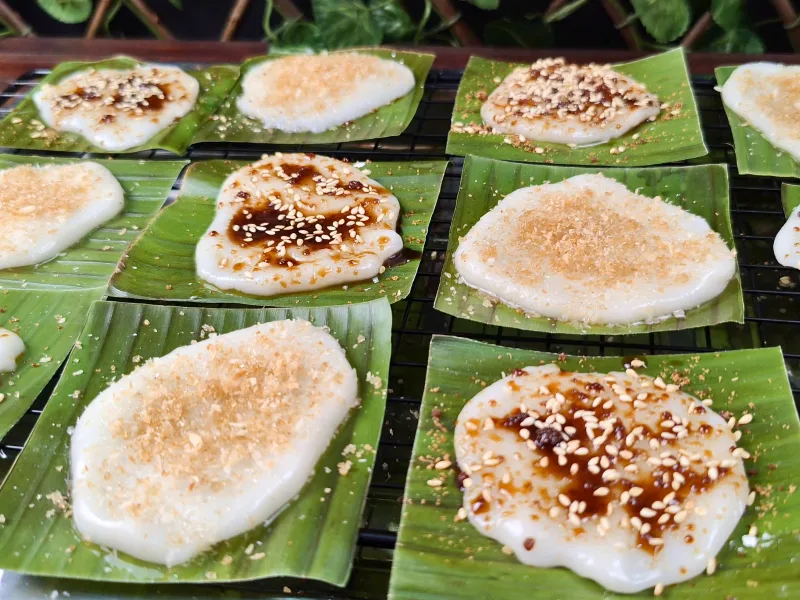
Kutsinta is a Filipino steamed cake known for its glossy surface, brown color, and soft, chewy bite. It’s a familiar part of a kakanin spread, often sold alongside puto and enjoyed for breakfast or merienda.

Recipes vary, with some using rice flour and others combining all-purpose flour with tapioca starch. Freshly grated coconut is a common topping, while grated cheese adds a salty contrast to the sweetness.

This version uses brown sugar, atsuete water, and a combination of all-purpose flour and tapioca starch. It’s steamed in small molds, cooled, and finished with grated cheese.

The Kubo Cooks method

Why This Recipe Works

The two flours contribute different qualities. Tapioca starch gives the kutsinta its chewy, slightly springy bite, while all-purpose flour helps give it enough structure to hold its shape.

Brown sugar provides sweetness and contributes to the finished color. Atsuete water adds an orange tint without leaving the seeds in the batter.

A measured amount of food-grade lye water, or lihiya, helps create the characteristic texture. It is a small but important ingredient, so adding extra is not a shortcut to better kutsinta.

Straining removes flour lumps and undissolved bits of sugar. Stirring before filling each batch also keeps the starch evenly distributed, helping the pieces cook with a consistent texture.

Cooling matters as much as steaming. Freshly cooked kutsinta is delicate, so giving it time to firm up makes unmolding easier.

What to know

Ingredient Notes

Tapioca starch
Gives the kutsinta its chewiness. Look for the fine white starch, sometimes labeled tapioca flour, rather than coarse cassava flour.
All-purpose flour
Provides structure alongside the tapioca starch. This version contains wheat.
Brown sugar
Adds sweetness and a light molasses flavor. Its color varies by brand, so the finished kutsinta may look lighter or darker between batches.
Atsuete seeds
Steep them in the measured hot water to extract their color, then strain out the seeds. The 2 Tbsp used here is separate from the 1¼ cups of water in the batter.
Lye water or lihiya
Use bottled food-grade lye water intended for cooking. Measure the teaspoon accurately rather than pouring directly from the bottle.
Cooking oil
A thin coating helps the kutsinta release from the molds. Avoid leaving pools of oil inside.
Cheese
Grated cheddar or Filipino-style processed cheese works well. Add it after cooling and unmolding so it stays as a topping.
Make it your own

Substitutions

Cheese
Replace with freshly grated mature coconut, or serve the kutsinta plain. Add fresh coconut shortly before serving.
Brown sugar
Light or dark brown sugar can be used. Darker sugar gives a deeper color and stronger molasses flavor.
Atsuete seeds
Use a small amount of annatto powder instead. Dissolve it in the same 30 ml water reserved for the seeds, keeping the total liquid unchanged. Coloring strength varies by brand.
Cooking oil
Any mild-flavored cooking oil or melted butter suitable for greasing the molds will work.
Puto Kutsinta (Cuchinta) process photo 1
Puto Kutsinta (Cuchinta) process photo 2
Puto Kutsinta (Cuchinta) process photo 3
Gallery photos 1–3 of 6
From my kitchen

Kubo Cooking Notes

The batter should be thin

Kutsinta batter is much thinner than ordinary cake batter. That is expected here. Avoid adding flour simply because it looks watery, as changing the ratio will affect the finished texture.

Starch settles as the batter stands. If you are steaming several batches, a gentle stir before each round keeps the first and last pieces more consistent.

Judge doneness by the center

The surface can look set before the middle has finished cooking. Check one of the fuller molds: the center should hold together without liquid batter.

The video uses a 15–20 minute steaming time, but deeper or larger molds may need longer. A glossy, slightly sticky surface is normal and does not automatically mean the kutsinta is undercooked.

Gentle steam gives you more control

Keep enough heat to maintain steady steam without violently boiling the water underneath. Condensation dripping from the lid can leave wet patches on the surface.

If the tops look watery, check for dripping condensation and test the center before deciding that the whole batch needs substantially more cooking.

Let the texture settle

Kutsinta becomes easier to handle as it cools. If a piece stretches or tears when you try to remove it, give the remaining molds more time before trying again.

Loosen the edge gently rather than digging underneath. A light coating of oil and adequate cooling should do most of the work.

Plan ahead

Make-Ahead, Storage, and Reheating

Make ahead: Steam the kutsinta a day ahead, allow it to cool, and refrigerate in a covered container. Keep the topping separate and add it when serving.

Store leftovers: Refrigerate promptly in an airtight container and consume within 3 days. Separate stacked layers with food-safe parchment to help prevent sticking. Keep freshly grated coconut in a separate refrigerated container and add only what you plan to serve.

Reheat: Steam the portions you need for a few minutes until warmed through and softened. Alternatively, microwave briefly under a microwave-safe cover, checking in short intervals to avoid making them tough. Add the cheese or coconut after reheating. Kutsinta can also be served chilled, although the texture will be firmer.

Freezing: Refrigeration is preferable for this recipe. Freezing and thawing can change the chewy texture and leave the kutsinta watery or less consistent.

Bring it to the table

Serving Suggestions

  • Top with grated cheese for a sweet-and-salty merienda.
  • Use freshly grated coconut for a more traditional topping.
  • Serve with hot coffee, tea, or tsokolate.
  • Pair with puto, biko, or other kakanin for a sharing platter.
  • Add the toppings shortly before serving for the best presentation.

Ingredients

For the Atsuete Water

  • 1 Tbsp atsuete seeds
  • 30 ml hot water (2 Tbsp)

For the Batter

  • 60 g tapioca starch (about ½ cup)
  • 60 g all-purpose flour (about ½ cup)
  • 160 g brown sugar (about ¾ cup, packed)
  • 300 ml water (1¼ cups)
  • 5 ml food-grade lye water or lihiya (1 tsp)

For Greasing and Topping

  • Cooking oil, enough to lightly grease the molds
  • 50 g cheddar cheese, grated

Special Equipment

  • Steamer
  • Medium puto molds (#307 or HP12)

How to Make It

  1. Combine the atsuete seeds and hot water in a small bowl. Let steep for about 5 minutes, stirring and pressing the seeds to release their color.
  2. Prepare the steamer and bring its water to a simmer. Lightly grease the puto molds with cooking oil.
  3. Combine the tapioca starch, all-purpose flour, and brown sugar in a mixing bowl.
  4. Add the 300 ml water, then strain the atsuete water into the bowl and discard the seeds.
  5. Add the measured food-grade lye water and whisk until the sugar dissolves and the batter is smooth.
  6. Pass the batter through a fine-mesh strainer to remove lumps.
  7. Stir the batter again, then divide among the prepared molds, filling each about three-quarters full.
  8. Arrange the molds in the steamer. Cover and steam over low to medium heat for 15–20 minutes, or until set and a toothpick inserted in the center comes out without wet batter.
  9. Remove the molds from the steamer and let cool before unmolding.
  10. Gently loosen the edges with a toothpick or small spatula, then turn out onto a plate.
  11. Top with grated cheese and serve.
Kubo Tips
  • Use bottled food-grade lye water intended for cooking and measure it carefully. Too much can give the kutsinta an unpleasant taste.
  • Stir the batter before filling each batch because the starch can settle at the bottom.
  • Keep the steam steady and gentle rather than using a vigorous boil.
  • If wrapping the steamer lid with a clean cloth to catch condensation, secure it away from the heat source.
  • Let the kutsinta cool before unmolding so they hold their shape and release more easily.
  • Steaming time and yield depend on the size of your molds.
  • Freshly grated coconut can be used instead of cheese if you prefer.