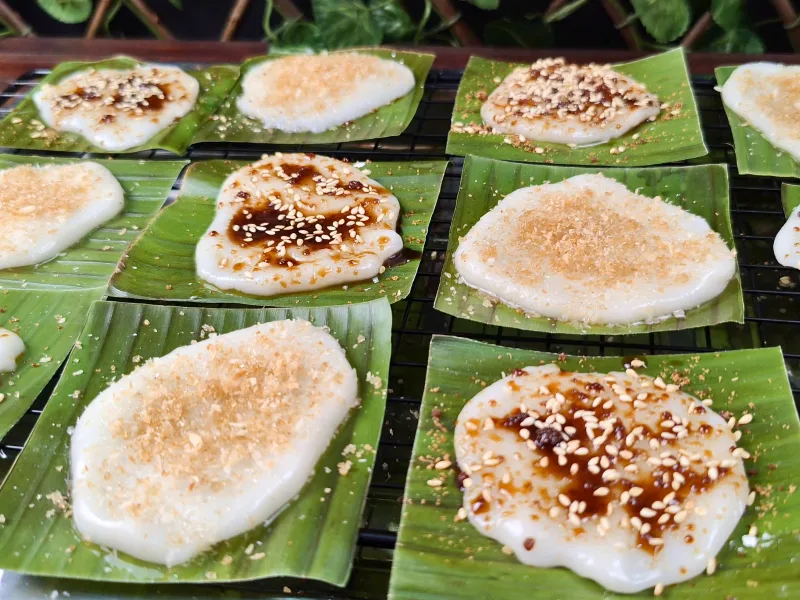
Easy Puto Cheese
Watch the full recipe

See every step.

Play the complete Kubo Cooks video directly on this page.

Player not loading? Watch on YouTube ↗

Discover the dish

About Easy Puto Cheese

Puto is a Filipino steamed cake commonly served for merienda, celebrations, and alongside savory dishes. Traditional versions are made from fermented rice batter, but many modern home recipes use wheat flour and baking powder for a faster and more accessible method.

This easy version uses all-purpose flour, eggs, condensed milk, evaporated milk, butter, and vanilla. Double-acting baking powder gives the batter its lift without requiring fermentation.

Each small cake is topped with processed cheese before steaming. The combination of a lightly sweet, fluffy puto and a salty cheese topping makes it work equally well as a snack or as a side for a savory meal.

The recipe produces around 70 pieces using medium puto molds, making it suitable for parties, family gatherings, or preparing a large merienda batch.

The Kubo Cooks method

Why This Recipe Works

Double-acting baking powder begins producing lift when it is mixed with liquid and works again when exposed to the heat of the steamer. This helps the flour-based batter become light and fluffy.

Condensed milk provides sweetness, body, and a creamy flavor, while evaporated milk adds richness without making the batter as heavy as using more condensed milk.

Eggs support the structure and help the puto hold its shape after steaming. Melted butter keeps the crumb tender and gives the cakes a fuller flavor.

Mixing the wet and dry ingredients only until combined limits gluten development. Overmixing can make the puto dense or slightly rubbery instead of soft.

Resting the batter briefly allows the flour to hydrate and gives large air bubbles time to rise. Filling the molds only three-quarters full then leaves enough space for the puto to expand.

Processed cheese retains more of its shape during steaming than many quick-melting cheeses, leaving a visible salty topping against the lightly sweet cake.

Ingredients for Easy Puto Cheese
What to know

Ingredient Notes

All-purpose flour
Creates the structure of this quick flour-based puto. Sift it to remove lumps and help the batter combine more evenly.
Sugar
Adds sweetness in addition to the condensed milk. Mix until it is evenly distributed without working the batter excessively.
Double-acting baking powder
Provides the lift during mixing and steaming. Use baking powder rather than baking soda and check that it is still active before making a large batch.
Eggs
Support the structure and add richness. Whisk them fully before combining them with the remaining wet ingredients.
Condensed milk
Contributes sweetness, creaminess, and body. It is not interchangeable with evaporated milk because the two products perform different jobs.
Evaporated milk
Adds dairy richness without the full sweetness of condensed milk.
Melted butter
Keeps the crumb tender and adds flavor. Allow it to cool slightly before mixing it with the eggs.
Vanilla extract
Adds a gentle aroma that complements the milk, butter, and cheese.
Water
Loosens the batter to the consistency needed for steaming. Add the measured amount gradually if your flour absorbs liquid differently.
Pinoy cheese
Regular processed cheese holds its shape well during steaming. Cut it into similarly sized strips or squares so every puto receives an even topping.
Salt
Balances the sweetness and strengthens the flavor of the butter, milk, and cheese.
Cooking oil
Optional for lightly greasing molds that do not release the puto cleanly.
Make it your own

Substitutions

All-purpose flour
Cake flour can produce a softer crumb, although the batter may absorb liquid differently. Check the consistency before adding all the water.
Evaporated milk
Use fresh milk or reconstituted powdered milk. The flavor will be lighter and the batter consistency may need a small adjustment.
Butter
Use melted margarine or a neutral cooking oil. Butter provides the richest flavor, while oil keeps the crumb soft after refrigeration.
Vanilla extract
Leave it out or replace it with a small amount of pandan extract for a different aroma.
Pinoy cheese
Use another firm processed cheese or mild cheddar. Avoid very soft quick-melting cheese if you want the topping to remain clearly visible.
Cooking oil
Use melted butter for greasing the molds or skip greasing when using molds that already release cleanly.
Easy Puto Cheese process photo 1
Easy Puto Cheese process photo 2
Easy Puto Cheese process photo 3
Gallery photos 1–3 of 6
From my kitchen

Kubo Cooking Notes

Use baking powder, not baking soda

These two leaveners are not interchangeable. Baking powder already contains the components it needs to create lift, while baking soda requires enough acid in the recipe to work properly.

Double-acting baking powder is particularly useful because it provides lift during mixing and again when the batter becomes hot.

Mix gently after adding the flour

Once the wet and dry mixtures come together, use a spatula and stop as soon as no large pockets of dry flour remain.

Small lumps are less damaging than overmixing. Excessive stirring develops gluten and can make the steamed cakes tough.

Treat the resting time as brief

Rest the batter for 10 to 15 minutes as written, but avoid leaving it for several hours. Baking powder becomes less predictable when mixed batter is held too long.

When steaming several batches, gently stir from the bottom before refilling the molds without vigorously beating out the trapped air.

Watch the batter level

Fill each mold approximately three-quarters full. Overfilled molds can rise over their edges, touch neighboring cakes, or produce uneven tops.

Use the same dispenser, ladle, or spoon for every mold so the puto finish steaming at approximately the same time.

Start with a fully heated steamer

Bring the water to a strong boil before placing the molds inside. Beginning with a cold steamer makes the cooking time less predictable and can reduce the initial rise.

Check the water level between batches and add hot water when necessary. Do not allow the steamer to boil dry.

Manage condensation from the lid

Water dripping from the lid can leave wet spots or dents on the puto. If your steamer produces heavy condensation, wrap the lid with a clean kitchen towel and secure it away from the flame or heating element.

Open the lid carefully so trapped water does not fall onto the finished cakes.

Avoid opening the steamer too early

The batter needs uninterrupted heat while its structure sets. Opening the lid during the first several minutes releases steam and can cause the puto to collapse.

Check only near the end of the expected cooking time.

Use the toothpick test carefully

Insert the toothpick into the cake rather than through the melted cheese. It should come out clean or with only a few moist crumbs.

Do not continue steaming much longer once the cakes are done because their edges can become dry or rubbery.

Cool briefly before unmolding

Freshly steamed puto is delicate. Allow it to cool just enough for the sides to firm up before removing it from the molds.

Release the edges gently rather than pulling the cakes out by the cheese topping.

Plan ahead

Make-Ahead, Storage, and Reheating

Make ahead: For the best rise, mix the batter shortly before steaming rather than refrigerating it overnight. The finished puto can be steamed ahead, cooled completely, and stored in a covered container until needed.

Store: Keep freshly steamed puto covered once completely cool so the exposed surfaces do not dry out. Refrigerate leftovers in a covered container and consume within 3–4 days. Separate layers with parchment if the cheese begins sticking.

Freeze: Finished puto can be frozen for longer storage. Cool them completely, arrange them in a freezer-safe covered container, and separate the layers with parchment. Consume within one month for the best quality. Thaw in the refrigerator or reheat directly from frozen. The cheese may become slightly firmer after freezing.

Reheat: Steam refrigerated or frozen puto briefly until soft and warm. They may also be covered with a slightly damp paper towel and microwaved in short intervals. Avoid overheating because the cakes can become tough and the exposed edges may dry out.

Bring it to the table

Serving Suggestions

  • Serve warm for merienda with coffee, tea, or hot chocolate.
  • Pair with dinuguan for the familiar sweet-and-savory combination.
  • Serve alongside pancit during birthdays and family gatherings.
  • Include it in a spread with other kakanin and Filipino snacks.
  • Add sliced salted egg alongside the cheese for another topping variation.
  • Serve at room temperature when preparing a party tray.

Ingredients

  • 500 g all-purpose flour
  • 100 g sugar (about ½ cup)
  • 50 g baking powder (1 small pack)
  • 3 large eggs
  • 208 g condensed milk (1 small can)
  • 140 ml evaporated milk (1 small can)
  • 4 Tbsp melted butter (about ¼ cup)
  • 1 tsp vanilla extract (5 ml)
  • 600 ml water (about 2½ cups)
  • 110 g Pinoy cheese
  • 1 pinch salt
  • 1 Tbsp cooking oil (optional)

Special Equipment

  • Steamer
  • Medium puto molds (#307 or HP12)
  • Batter dispenser, small ladle, or spoon
  • Toothpick or cake tester

How to Make It

Preparing the Batter

  1. Crack the eggs into a large mixing bowl and whisk until fully combined.
  2. Add the condensed milk, evaporated creamer, melted butter, vanilla, and water. Mix well, then set aside.
  3. In a separate bowl, sift the all-purpose flour and double-acting baking powder.
  4. Pour the wet mixture into the dry ingredients and gently mix with a silicone spatula until just combined. Avoid overmixing.
  5. Add the sugar and mix until dissolved. Let the batter rest for 10 to 15 minutes.

Preparing the Molds

  1. Slice the processed cheese into strips or small squares.
  2. Fill each puto molder about ¾ full, then gently tap the molds to release any large air bubbles.
  3. Top each mold with a piece of cheese.

Steaming the Puto

  1. Bring the water in the steamer to a full boil before adding the puto.
  2. Steam over high heat for 8 to 10 minutes, or until a toothpick inserted in the center comes out clean.
  3. Avoid opening the lid too early so the puto does not collapse.
  4. If steaming in batches, gently mix the batter before filling the next set of molds.
  5. Let the puto cool slightly before removing them from the molds.
  6. Serve and enjoy!
Kubo Tips
  • Use double-acting baking powder, not baking soda, so the puto rises properly while mixing and steaming.
  • Fill the molds only ¾ full to leave enough room for the puto to rise.
  • Use regular processed cheese instead of melting cheese so the topping stays visible after steaming.
  • Avoid opening the steamer lid during the first few minutes because the sudden temperature drop can cause the puto to collapse.